
Companion Plants
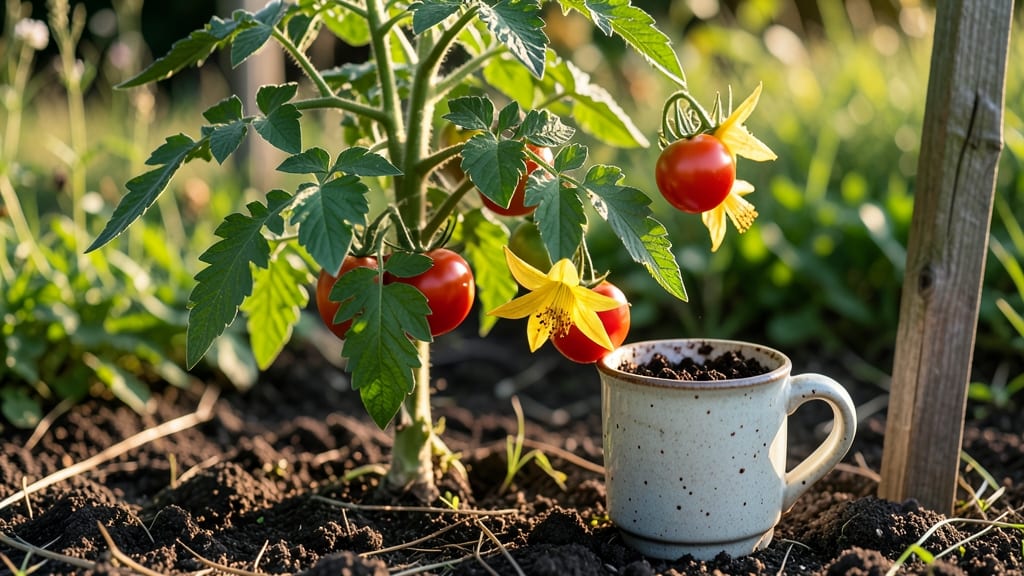
Tomato plants do like coffee grounds in moderation, as they provide nitrogen-rich nutrients that support leafy growth and soil structure, but too much can disrupt soil pH and attract unwanted pests.
Coffee grounds act as a natural fertilizer because they're packed with nitrogen, which helps tomato plants develop lush foliage and vibrant blooms. 🌱 The organic matter also improves soil aeration and moisture retention, creating an ideal environment for root growth.
However, the caffeine content can inhibit seedling growth, so it's best to avoid using them directly around young plants or in overly acidic soils.
For best results, I recommend mixing used coffee grounds into compost or sprinkling them lightly around mature tomato plants as mulch. Just remember: a little goes a long way—overapplication can make your soil too acidic, potentially harming your plants.
Always balance coffee grounds with other organic materials like banana peels or eggshells for optimal nutrient diversity.
💡 In This Article
- How Coffee Grounds Boost Tomato Plant Growth
- Best Ways to Use Coffee for Tomato Gardens
How coffee grounds boost tomato plant growth
Coffee grounds deliver a nitrogen punch that tomato plants crave for vigorous growth. Each cup of used grounds contains approximately 2% nitrogen by weight—about 1.5 grams per tablespoon—which breaks down slowly in the soil, feeding plants over time.
This contrasts sharply with synthetic fertilizers that release nutrients rapidly, often causing root burn. The organic nitrogen in coffee grounds promotes microbial activity, creating a thriving ecosystem that naturally converts nutrients into forms tomato roots can absorb.
The magic happens below ground too. Coffee grounds improve soil structure by adding organic matter that enhances aeration and moisture retention—critical for tomato plants with deep root systems. When mixed into garden beds, they create tiny air pockets that prevent compaction while holding water near roots.
Think of it like adding fluff to dense soil: the texture becomes lighter, allowing roots to spread more easily. Studies show soils amended with coffee grounds can retain 20-30% more water than untreated soil, reducing irrigation needs by up to 30% during dry spells.
What makes coffee grounds unique is their caffeine content—typically 1-2% by weight—which acts as a natural fungicide. This helps suppress soil-borne diseases like early blight that commonly affect tomatoes.
However, the caffeine also has a double-edged effect: while it deters pests like slugs, it can inhibit seedling growth in high concentrations. The sweet aroma from decomposing grounds also attracts earthworms, which aerate the soil and create nutrient-rich castings that tomatoes love.
For comparison, commercial organic fertilizers like blood meal provide nitrogen too, but lack the additional benefits of improved soil structure and microbial stimulation. Coffee grounds offer a complete package: nitrogen for growth, organic matter for structure, and natural pest deterrents—all while being a free, upcycled byproduct.
The key is balance: too much can overwhelm the soil's ability to process the organic material, leading to that musty coffee smell we all know too well.
Here's what's actually happening at the microbial level: The grounds feed beneficial bacteria and fungi that break down complex organic matter into simpler compounds. These microorganisms then form symbiotic relationships with tomato roots, creating a network that enhances nutrient uptake.
This process is similar to how mycorrhizal fungi work, but coffee grounds provide the initial food source to kickstart this beneficial activity.
One fascinating detail is how coffee grounds affect soil pH differently depending on the original brew. Dark roasts have a pH of about 4.8-5.1, while lighter roasts can reach 6.0-6.5.
When added to soil, they tend to lower pH slightly (making soil more acidic), which benefits tomatoes that thrive in 6.0-6.8 pH range. However, this effect is temporary and easily balanced with lime or composted materials if needed.
For gardeners who love data, here's a quick breakdown: Using 1 cup of coffee grounds per square foot every 4-6 weeks provides optimal benefits without risking over-acidification.
The decomposition process takes about 4-6 weeks to fully integrate into the soil, so timing applications between harvests prevents nutrient competition with the plant.