
Companion Plants
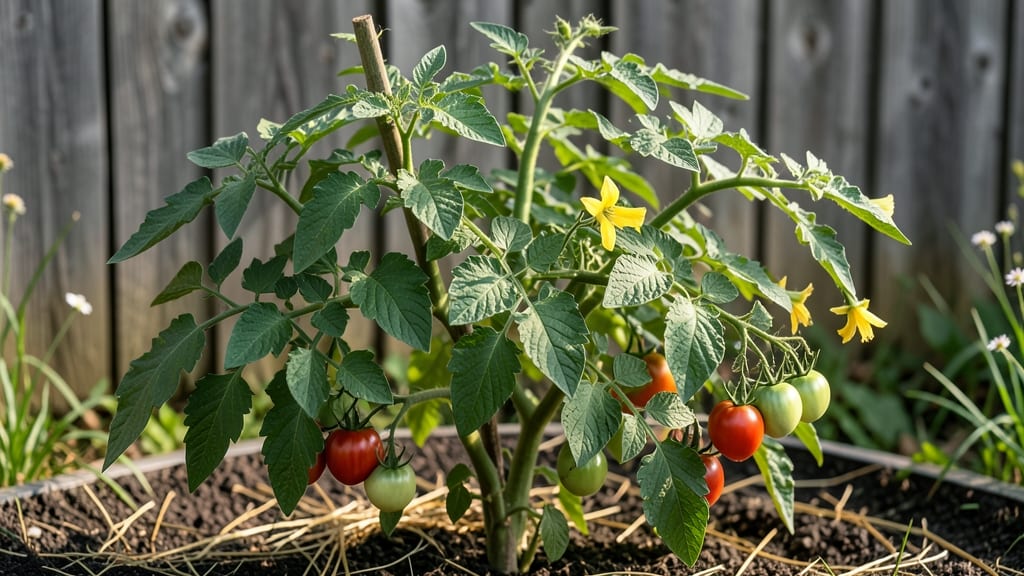
Growing tomato plants growth from seed to sauce-pot starts with the right heat-tolerant varieties planted at just the right time. 🌱 I’ve learned the hard way—planting too early means frost-kissed failures, while waiting too long sacrifices flavor.
The secret isn’t just the variety; it’s matching your local frost dates with the plant’s growth rhythm. Most gardeners overlook soil warmth—tomatoes need soil at 60°F before planting, or roots stall. A simple soil thermometer (or your finger—warm like bathwater) tells you when it’s safe.
Heat-loving varieties like ‘Celebrity’ or ‘Solar Fire’ thrive where others wilt, but even they need consistent moisture to prevent blossom-end rot. By midsummer, you’ll be harvesting pound after pound of ripe tomatoes, their sweetness peaking after the first light frost.
The key? Pruning suckers early, staking plants before they topple, and watering at the base—not the leaves—to keep diseases at bay. This works for backyard plots, containers, or even small urban gardens. Let’s get those seeds started right!
📚 In This Guide
- What you need
- Instructions
- Tips and common mistakes
- Wrapping up and next steps
What you need
- ● Seeds or seedlings: Heat-tolerant tomato varieties (e.g., Solar Fire, Heatmaster, or Arkansas Traveler)
- ● Quantity: 3–6 plants (or seeds for 3–6 plants, if starting from scratch)
- ● Growing containers or garden bed: For containers: 5-gallon pots or larger (1 plant per container)
- ● For in-ground: Well-draining soil with full sun exposure (6+ hours/day)
- ● High-quality potting mix: 1–2 bags (sterilized, organic, and well-draining)
- ● Compost or organic fertilizer: Balanced (e.g., 10-10-10 or 5-5-5) for planting and side-dressing
- ● Mulch: Straw or black plastic (to retain moisture and regulate soil temp)
- ● Support system: Cages (5–6 ft tall) or stakes (6+ ft long)
- ● Twine or soft plant ties (for indeterminate varieties)
- ● Watering can or hose with a gentle nozzle: For consistent moisture without damaging stems
- ● Pruning shears (for trimming suckers and dead leaves)
- ● pH testing kit (to ensure soil is 6.0–6.8 for optimal growth)
- ● Shade cloth (30–50% coverage for seedlings in extreme heat)
- ● Drip irrigation system (for automated watering in hot climates)
- ● Heat-resistant row covers (to protect young plants from sudden cold snaps)
- ● Last frost date: Know your local frost-free date (use Almanac’s frost calculator) to time planting.
- ● Warm soil: Soil should be at least 60°F (15°C) before transplanting seedlings.
- ● Sunlight access: Ensure your chosen spot gets full sun (6+ hours/day) with minimal shade.
Heat-tolerant tomato growth: planting for peak yield
Mastering tomato growth in hot climates means timing, variety, and smart care—here's how to do it right.
🌱 Step 1: Select Heat-Tolerant Varieties and Start Early
Choose heat-resistant varieties like 'Solar Fire', 'Heatmaster', or 'Arkansas Traveler'—these handle temperatures up to 95°F without sunscald. Start seeds indoors 6-8 weeks before last frost using a seed-starting mix (never garden soil). I like to preheat the mix by placing the tray in a sunny window for 24 hours before sowing—this mimics summer conditions and helps seedlings toughen up faster.
Sow seeds ¼ inch deep in 2-3 inch pots and keep soil at 75-85°F for germination. A seedling heat mat works wonders here. Once sprouts appear in 5-10 days, move them to a south-facing window or under grow lights for 14-16 hours daily. Watch for first true leaves (not the initial seed leaves)—that's your cue to begin hardening off.
☀️ Step 2: Time Transplanting for Optimal Heat Adaptation
Transplant seedlings outdoors 2-3 weeks after last frost when soil reaches 60°F. I always test by sticking my finger in—if it feels warm but not scorching, it's ready. Bury stems deeply (up to ⅔ of the plant's height) to encourage strong root systems. This buried stem will develop additional roots, making the plant more resilient during heatwaves.
Space plants 18-24 inches apart in rows 3-4 feet apart to allow airflow. Mulch with 2-3 inches of straw to retain moisture and keep roots cool. Here's the thing—tomatoes hate sudden temperature swings. If nights stay above 70°F, use shade cloth during peak afternoon sun to prevent blossom drop.
💧 Step 3: Water and Feed Strategically for Heat Resilience
Water deeply 2-3 times weekly (not daily) to encourage deep root growth. I water at soil level in the early morning to reduce evaporation and fungal risks. Let the top 2 inches of soil dry between waterings—this prevents root rot while maintaining moisture. Drip irrigation works best in heat, delivering water directly to roots without wetting leaves.
Fertilize with a balanced 10-10-10 formula when flowers appear, then switch to low-nitrogen 5-10-10 once fruit sets. Too much nitrogen now will produce leafy growth at the expense of fruit. I also side-dress with compost tea every 2 weeks—this boosts microbial activity and helps plants absorb nutrients under stress.
✂️ Step 4: Prune and Protect During Peak Heat
Prune suckers (the shoots that grow between stems and leaves) weekly to improve airflow and reduce disease risk. I stop pruning once fruit sets to let the plant focus energy on ripening. If temperatures hit above 90°F for 3+ days, provide afternoon shade to prevent sunscald. You'll know it's working when leaves stay deep green and fruit doesn't develop white or yellow patches.
Remove lower leaves up to 12 inches from the ground to improve airflow and reduce soil-borne diseases. This also helps prevent blossom end rot—a common heat-related issue. If you see early signs (dark spots on fruit), spray with calcium nitrate and keep soil consistently moist but not soggy.
⏰ Step 5: Harvest at Peak Ripeness for Best Flavor
Harvest tomatoes when they're fully colored and slightly soft to the touch. I pick in the morning when temperatures are cooler—this preserves flavor and reduces bruising. Heat-tolerant varieties often ripen unevenly, so check plants every 2-3 days. Unripe tomatoes can be left on the vine to ripen indoors in a paper bag with a banana (the ethylene gas speeds ripening).
Store harvested tomatoes at room temperature (never refrigerate until fully ripe)—this preserves their sweetness. If a heatwave stalls ripening, bring entire plants indoors to a bright, cool spot (like a garage with windows) and they'll finish ripening in 1-2 weeks. This trick saves 80% of near-ripe fruit that would otherwise go to waste.
Tips & tricks for growing heat-resistant tomatoes
Between us, these small adjustments make all the difference when growing tomatoes in hot climates.
Seedling Heat Management: Those 75-85°F soil temperatures for germination are non-negotiable—any cooler and seeds may rot, any hotter and they'll dry out. I use a seedling heat mat set to 80°F and cover the tray with clear plastic wrap to create a greenhouse effect. Remove the wrap once sprouts appear at 5-10 days, but keep the heat mat on until true leaves emerge. This creates stockier seedlings that handle transplant shock better.
Transplanting Timing Secret: The 2-3 weeks after last frost window is perfect, but don't rush—soil must be at least 60°F. I've learned the hard way that transplanting too early when nights are still chilly causes stunted growth. Burying stems ⅔ deep might seem extreme, but those buried sections will grow into powerful roots that anchor your plant during heatwaves. Think of it as giving your tomato a second set of legs.
Watering Strategy: That 2-3 times weekly watering schedule works best when you water deeply at soil level—not overhead. I use a 5-gallon bucket with a spigot to deliver water slowly to the base, which prevents fungal diseases that thrive in wet foliage. The key is letting the top 2 inches dry between waterings—this forces roots to grow deeper where they'll find moisture during droughts. Shallow watering creates weak surface roots that burn in heat.
Heatwave Rescue: When temperatures hit above 90°F for 3+ days, move your shade cloth game up a notch. I use 30% shade cloth (not the heavy 50% stuff) draped loosely over plants during peak sun hours (11 AM-3 PM). This prevents sunscald while still allowing enough light for photosynthesis. Watch for leaves that turn pale or develop yellow patches—this is your plant's SOS signal. Remove the cloth in late afternoon to let leaves recover overnight.
Pro Tips for Tomato Plants Growth
- Between us, these small adjustments make all the difference when growing tomatoes in hot climates.
- Seedling Heat Management: Those 75-85°F soil temperatures for germination are non-negotiable—any cooler and seeds may rot, any hotter and they'll dry out.
- Transplanting Timing Secret: The 2-3 weeks after last frost window is perfect, but don't rush—soil must be at least 60°F.
Frequently asked questions
Got questions about growing heat-tolerant tomatoes or timing your frost-free harvest? You’re not alone! Here are some of the most common concerns—and their straightforward answers—to help you cultivate a thriving tomato garden.
What are the best heat-tolerant tomato varieties for hot climates?
Heat-loving varieties like 'Heatmaster', 'Solar Fire', or 'Arkansas Traveler' thrive in temperatures above 90°F (32°C). Look for indeterminate types (vining) or cherry tomatoes, which handle heat better than large, beefsteak varieties. Always check your local nursery for region-specific recommendations!
When is the ideal time to plant tomatoes to avoid frost?
Wait until the soil temperature reaches at least 50°F (10°C) and nighttime frosts are fully behind you. In most U.S. zones, this means planting after April 15–May 15, depending on your location. Use a soil thermometer to confirm—cold soil stunts root growth!
Can I grow tomatoes in containers if I live in a hot climate?
Use 5-gallon+ containers with well-draining soil and place them in partial shade during peak afternoon heat. 'Tiny Tim' or 'Patio Princess' are compact, heat-tolerant picks. Just water consistently—containers dry out faster in the sun.
Why are my tomato leaves turning yellow, even with heat-tolerant varieties?
Yellow leaves often signal overwatering, nutrient deficiency (like nitrogen), or fungal issues (e.g., early blight). Check the soil moisture—it should be damp but not soggy—and fertilize with a balanced 10-10-10 or tomato-specific feed. Prune lower leaves to improve airflow and reduce humidity around the plant.
Are there companion plants that help tomatoes survive heat stress?
Yes! Plant basil (repels pests and improves flavor), marigolds (deters nematodes), or bush beans nearby to shade roots and retain soil moisture. Avoid planting tomatoes with corn, fennel, or walnut trees, as they compete for nutrients or release toxins.
What should I do if an unexpected late frost threatens my tomato plants?
Act fast! Cover plants with frost cloth or row covers at dusk and remove them by mid-morning. Avoid plastic sheets—they trap moisture and can burn leaves. If frost hits, trim damaged foliage post-thaw to redirect energy to fruit production.
Wrapping up and next steps
Growing heat-tolerant tomato varieties and timing your frost-free planting just right can transform your garden into a thriving, bountiful paradise! 🌱 With the right prep—whether it’s choosing Solar Fire for scorching summers or Mountain Merit for cooler climates—you’re already setting yourself up for success. Now’s the time to roll up your sleeves, grab those seeds, and let your green thumb shine!
Ready to take the next step? Start by marking your calendar for your last frost date, prep your soil with compost, and plant those seedlings with confidence. Happy growing—your future tomato harvests will thank you! 🍅✨