
Plants
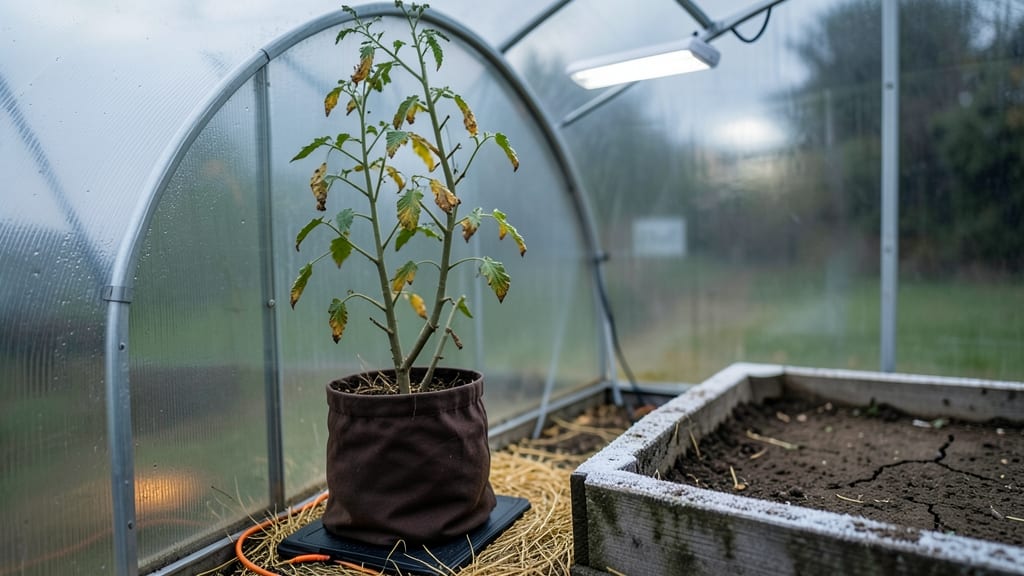
Tomato plants in winter prove winter gardening isn't just possible—it's productive. 🌱 I've grown tomatoes through snow-covered winters, and these varieties keep producing even when most gardens sleep. The secret isn't fancy equipment but smart plant selection and simple seasonal adjustments.
These tomatoes handle frost better than you'd expect—some even survive light freezes with proper protection. My favorite, 'Siberian,' produces sweet fruit well into November in my Zone 5 garden. You'll need to adjust watering, light exposure, and sometimes even move plants indoors for the coldest months.
By late winter, you'll harvest tomatoes that taste richer than anything from summer's heat. The plants stay compact, the foliage stays green, and you'll extend your growing season by 3-4 months with minimal extra work. Even my black thumb can't kill these.
Works for backyard gardens, containers, or greenhouses—just match the variety to your coldest month. Here's how to keep them thriving through winter's chill without losing your harvest.
Cold Stress Explained
Understanding why tomato plants struggle in winter requires peeling back the layers of their biological needs—and recognizing how chilly conditions disrupt them. Tomatoes (Solanum lycopersicum) are tropical plants at heart, evolved in warm climates where temperatures rarely dip below 50°F (10°C).
When winter’s freeze hits, several key factors come into play, each acting like a silent saboteur to your plants’ survival. Let’s break down the real culprits behind winter woes and why they happen.
Tomatoes are not frost-tolerant—their cells lack the antifreeze proteins found in cold-hardy plants like kale or cabbage. When temperatures drop below 32°F (0°C), ice crystals form outside the cells first (a process called extracellular freezing).
As water migrates from inside the cell to the ice, the cell membrane ruptures or collapses under osmotic stress. This is called cytoplasmic injury, and it’s irreversible.
- Actionable science: Cells contain 90% water, and when ice forms, the remaining liquid becomes hyper-concentrated with salts and sugars.
This dehydrates the cell faster than a desert wind, causing membrane leakage and cell death. - Pro tip: 🌡️ Even mild freezes (28–32°F / -2 to 0°C) can stunt growth by disrupting enzyme activity in leaves, leading to chlorosis (yellowing) and poor photosynthesis.
Winter days are shorter and dimmer, cutting sunlight exposure by 30–50% in northern latitudes. Tomatoes need 12–16 hours of light daily to thrive, but in winter, many regions get only 8–10 hours of weak sunlight.
- Why it matters: Tomatoes rely on photoperiodism—their growth hormones (like gibberellins) are triggered by light.
Less light = reduced chlorophyll production = weaker stems and smaller leaves. - The domino effect: - Weaker stems → plants flop under their own weight. - Smaller leaves → less surface area to absorb CO₂ for photosynthesis. - Delayed flowering → fewer tomatoes (or none at all).
Tomato roots stop absorbing nutrients when soil temps fall below 55°F (13°C). Below 50°F (10°C), roots suffocate because cold soil reduces oxygen diffusion—a condition called hypoxia.
- Root shock in action:
- Reduced microbial activity: Beneficial bacteria and fungi (like mycorrhizae) slow down, cutting off nitrogen and phosphorus supply.
- Waterlogging risk: Cold soil holds moisture longer, leading to root rot from Pythium or Phytophthora fungi.
- Nutrient lockout: Essential minerals like potassium and magnesium become unavailable, causing leaf curl and blossom end rot.
Winter winds strip moisture from leaves faster than roots can replace it, even if soil is damp. This transpirational stress forces plants to close stomata (pores) to conserve water—but when stomata shut, they also block CO₂ intake, halting photosynthesis.
- The vicious cycle:
- Wind + cold = higher evaporation rate (like a fan on a sweaty glass).
- Plants wilt to conserve water, but wilting reduces light absorption by 30–40%.
- Stunted growth as energy shifts from leaves to survival mode.
Winter weakens tomatoes, making them prime targets for:
- Fungal diseases: Early blight (Alternaria solani) thrives in cool, wet conditions, causing dark spots on leaves.
- Viral infections: Tomato mosaic virus spreads faster in stressed plants.
- Insect pests: Aphids and spider mites multiply in greenhouses or sheltered spots, draining sap from weakened plants.
- Why? Cold-stressed plants produce less salicylic acid (a natural antifungal), leaving them defenseless.
How to Revive Cold-Stressed Tomatoes
Winter can turn your tomato plants into a sad, wilted mess—but don’t toss them just yet! With the right moves, you can nurse them back to health and even keep them producing (or at least alive) until warmer weather.
Below are practical fixes for common winter woes, from frost damage to stunted growth, plus prevention tips to avoid future heartache.
Cause: Freezing temps turn leaves mushy or black, but the roots (and sometimes the plant) may still be alive.
Fix It:
- 🔥 Trim the Damage
- Snip off blackened or mushy leaves with clean scissors (sterilize with rubbing alcohol). Avoid tearing—this invites disease.
- Cut back to healthy green growth (about ¼ inch above the damage).
- 🛡️ Protect the Core
- If the stem is still firm, wrap the plant in burlap or frost cloth at night. Secure loosely so air circulates.
- For container tomatoes, move pots to a garage or shed (if temps drop below 20°F/-7°C).
- 💧 Hydrate Gently
- Water sparingly—soggy soil in cold weather = root rot. Stick your finger in the soil; if it’s dry 1 inch down, give a light drink.
- Pro tip: 🌡️ Use lukewarm water (cold water shocks stressed roots).
- ☀️ Boost Sunlight
- If days are short, supplement with a grow light (12–14 hours/day) to keep photosynthesis going.
Prevent Next Time:
- ✨ Choose cold-tolerant varieties (like ‘Siberian’ or ‘Stupice’) for future winters.
- 🎯 Mulch heavily (6+ inches of straw or leaves) to insulate roots.
Cause: Cold snaps slow metabolism, leaving plants weak and leggy.
Fix It:
- 🌿 Prune for Energy
- Remove suckers (side shoots) and lower leaves to redirect energy to fruit production (if any remain).
- If the plant is completely dormant, wait until spring to prune—don’t overdo it now.
- 🍳 Fertilize Smartly
- Switch to a low-nitrogen, high-phosphorus fertilizer (like 5-10-10) to encourage root and fruit recovery.
- Avoid fresh manure—it burns roots in cold soil.
- 👨🍳 Warm Them Up (Indoors or Out)
- For containers: Move to a sunny windowsill or under grow lights until soil temps rise above 50°F (10°C).
- For in-ground plants: Build a mini greenhouse with a clear plastic tunnel (use PVC pipes and plastic sheeting).
Prevent Next Time:
- 💡 Start seeds indoors in early winter for a head start.
- 🌡️ Use row covers before temps drop to keep soil warmer.
Cause: Cold-stressed plants attract aphids, spider mites, or fungal infections (like blight).
Fix It:
- 🔪 Blast Off Pests
- Spray with neem oil (mix 1 tbsp with 1 quart water + a drop of dish soap) to suffocate bugs.
- For mites: Blast plants with water to knock them off, then reapply neem oil.
- 🍄 Treat Fungal Issues
- Remove infected leaves immediately and sterilize pruners with rubbing alcohol.
- Spray with copper fungicide or a baking soda mix (1 tbsp baking soda + 1 quart water + a drop of soap).
- 🏠 Quarantine If Needed
- If pests/disease are severe, isolate the plant until it recovers.
Prevent Next Time:
- 🌿 Rotate crops—don’t plant tomatoes in the same spot yearly.
- ✨ Inspect plants weekly for early signs of trouble.
If temps consistently drop below 10°F (-12°C):
- For heirloom or sentimental plants: Try digging up containers and storing them in a cool, dark basement (bare-root, wrapped in damp paper towels).
- For cold-hardy varieties: Leave them—‘Cherokee Purple’ or ‘Brandywine’ can survive light frosts with protection.
Pro Tip: 💡 Test for life—scratch the stem with your fingernail. If it’s green underneath, the plant may recover!
Final Thought: Winter tomatoes are a gamble, but with quick action, you can save your plants and even extend the season. Start with protection, then nourishment, and always watch for pests. Next year? Plan ahead with cold-resistant varieties and smart winter care!
Frequently asked questions
Can tomato plants survive winter outdoors?
Most tomato varieties won't survive hard freezes, but some cold-hardy types like 'Siberian' or 'Stupice' can handle light frosts (down to 25°F/-4°C) with protection. For other varieties, move container plants to a garage or basement during extreme cold. In-ground plants may recover if the roots stay alive—test by scratching the stem (green underneath means hope!).
How do I protect tomato plants from winter frost?
Use a combination of mulch (6+ inches of straw), row covers, and frost cloth wrapped around plants. For containers, move them to sheltered spots or indoors. A clear plastic tunnel over in-ground plants can raise temps by 5-10°F—just ensure good airflow to prevent rot. Avoid watering before expected frosts (wet leaves freeze faster).
Will tomatoes still produce fruit in winter?
Cold-hardy varieties may produce limited fruit, but most tomatoes need 12+ hours of sunlight and 60°F+ (15°C+) soil temps to fruit well. Supplement with grow lights (14 hours/day) and keep plants warm. Expect smaller yields—focus on saving the plant for spring rather than winter harvests. Indoor containers near sunny windows may produce a few tomatoes if conditions are ideal.
Can I save tomato plants for next year?
Yes! For sentimental varieties, dig up container plants before hard freezes and store them bare-root in damp paper towels in a cool (40°F/4°C), dark basement. Check monthly for rot. In-ground plants rarely survive winter—focus on saving seeds instead. Start new plants indoors in early winter for an extended growing season next year.
What's the easiest way to grow tomatoes in winter?
Start with cold-hardy varieties like 'Siberian' or 'Stupice' and grow them in containers near sunny windows or under grow lights. Use a low-nitrogen fertilizer (like 5-10-10) and keep soil temps above 55°F (13°C) with heat mats if needed. This method requires minimal space and gives you fresh tomatoes year-round with proper care.