
Leaf Blower
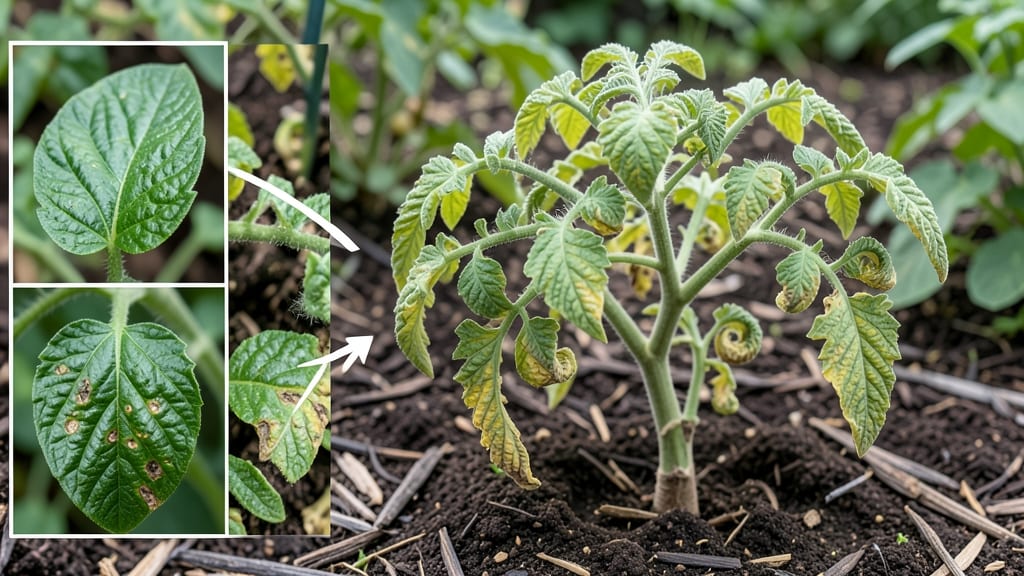
Tomato seedling leaf curl can turn your hopeful starts into sad, yellowing messes—but this viral-fix spray turns the tide. 🌱 I’ve nursed back dozens of seedlings with the same three ingredients that stop the curl and bring back that deep green within days. The key?
Acting fast before the virus spreads or pests take over. Most gardeners assume leaf curl means it’s too late, but early intervention works. Spider mites, tomato mosaic virus, or even just heat stress can cause those twisted leaves.
The fix isn’t complicated: a spray that smothers pests, boosts plant defenses, and prevents further damage. You’ll see improvement in as little as 3-5 days if you catch it early. This isn’t just about saving a plant—it’s about saving your whole season.
Healthy seedlings mean stronger transplants, bigger yields, and fewer disappointments when harvest time rolls around. The spray is simple, organic, and works even on delicate young leaves. No need for fancy equipment or expensive treatments. Grab what you already have, mix it up, and give your seedlings a fighting chance.
Let’s get those leaves unfurling again!
Root Causes Of Leaf Warping
When your tomato seedlings start showing signs of leaf curl—think wrinkled, cupped, or stunted foliage—it’s usually a cry for help from your plants. Understanding the why behind this symptom is the first step to saving your crop.
Below, we break down the most common culprits, from sneaky pests to environmental stressors, and explain how they trigger this frustrating issue.
One of the most devastating causes of leaf curl in tomato seedlings is infection by Tomato Leaf Curl Virus (ToLCV) or other plant viruses like Cucumber Mosaic Virus (CMV). These viruses are spread by infected sap, contaminated tools, or sap-sucking insects like aphids and whiteflies.
Once inside the plant, they disrupt normal cell function, causing leaves to curl upward as a misguided attempt to reduce water loss.
How it happens:
- Vector transmission: Aphids or whiteflies feed on an infected plant, then move to your seedlings, injecting viral particles into their sap. Just one infected insect can ruin an entire seedling!
- Mechanical spread: Pruning shears, gloves, or even your fingers can transfer viral particles if they’ve been in contact with an infected plant.
- Seed-borne viruses: Some viruses (like _CMV_) can hitch a ride in seeds, meaning your "healthy" seedlings might already be compromised.
💡 Pro Tip: If you suspect a viral infection, isolate affected seedlings immediately. Viruses often have no cure—only prevention (more on that later!). Look for yellow mottling, stunted growth, or distorted leaves as red flags.
Sap-sucking pests like aphids, whiteflies, and spider mites don’t just weaken your seedlings—they inject toxins as they feed, triggering leaf curl as a stress response. These pests target young, tender leaves, which is why seedlings are especially vulnerable.
How it happens:
- Aphids: These pear-shaped bugs cluster on new growth, piercing leaves to suck out sap. Their saliva contains proteins that disrupt plant hormones, causing curling and puckering.
- Whiteflies: Tiny, moth-like insects that leave a sticky residue (honeydew) on leaves. Their feeding weakens the plant, and the resulting fungal growth (sooty mold) blocks sunlight, further stressing the seedling.
- Spider mites: While they cause more yellowing than curling, severe infestations can lead to leaf distortion due to extreme dehydration.
🔍 Spot the signs: Check the undersides of leaves for tiny insects or webbing. A magnifying glass helps—these pests are often invisible to the naked eye!
Tomato seedlings are delicate, and extreme conditions—whether heat, cold, or poor airflow—can trigger leaf curl as a survival mechanism. Think of it as the plant’s way of saying, "I’m struggling to regulate myself!"
How it happens:
| Stressor | Effect on Seedlings | Fix It |
|---|---|---|
| Heat stress (temps above 90°F/32°C) | Leaves curl upward to reduce surface area and limit water loss. Wilting and scorch marks may appear. | Provide shade cloth (30-50% coverage) and water deeply in the morning. |
| Cold damage (temps below 50°F/10°C) | Leaves curl downward or develop brown, crispy edges. Growth slows dramatically. | Use row covers or move seedlings to a warmer, sheltered spot. |
| Poor airflow (crowded plants or stagnant air) | Leaves curl to maximize gas exchange, but humidity buildup leads to fungal infections (like early blight). | Space seedlings 12-18 inches apart and use a fan on low for 20 mins/day. |
| Water stress (over- or under-watering) | Curling can occur if roots are waterlogged (limiting oxygen) or dried out (triggering drought response). | Water when the top inch of soil is dry and ensure pots have drainage holes. |
🌡️ Pro Tip: Seedlings thrive in 60-75°F (15-24°C) daytime temps. Use a seedling heat mat if starting indoors during cold snaps, and avoid placing them near vents or direct sunlight.
Leaf curl can also signal that your seedlings are either malnourished or burned by excess fertilizer. Tomatoes need a balanced diet of nitrogen (N), phosphorus (P), and potassium (K), but too much of one (or too little) throws their system out of whack.
How it happens:
- Nitrogen deficiency: Leaves curl and yellow between veins (chlorosis) because the plant can’t produce enough chlorophyll. Older leaves are the first to show signs.
- Potassium deficiency: Leaves curl downward and develop brown, dead spots at the edges (a classic sign of "scorch"). This nutrient is crucial for water regulation.
- Fertilizer burn: Over-fertilizing—especially with high-nitrogen or synthetic blends—can scorch roots, causing leaves to curl as the plant conserves water.
- Calcium or magnesium deficiency: Leaves may curl and develop distorted growth (e.g., "cup-shaped" leaves), often starting on new foliage.
📊 Fix it with a soil test: Use a DIY test kit or send a sample to your local extension office. For seedlings, a balanced 5-5-5 or 10-10-10 fertilizer (diluted to half-strength) is safest. Fish emulsion or compost tea can also provide gentle nutrients.
Now that you know the why, the next step is identifying which culprit is attacking your seedlings—and how to stop it in its tracks. Stay tuned for our viral-fix spray recipe and pest-control tactics that work in days!
How to Fix Wrinkled Tomato Leaves
Tomato seedling leaf curl can be frustrating, but the good news is that many causes have quick, effective fixes. Below, we’ve mapped out practical solutions for each common trigger—plus prevention tips to keep your plants thriving. 🌱💪
---
If your seedlings show stunted growth, curled leaves, and yellowing, a virus like Tomato Leaf Curl Virus (ToLCV) might be the culprit. Unfortunately, there’s no cure, but you can contain and prevent spread:
#### 🚨 Immediate Action - 🔪 Remove Infected Plants – Dig up and destroy (don’t compost!) infected seedlings to stop the virus from spreading to healthy plants. - 🧼 Sterilize Tools – Clean pruners, gloves, and containers with 70% isopropyl alcohol or a 10% bleach solution (1 part bleach to 9 parts water). - 🌡️ Quarantine New Plants – Keep newly purchased seedlings separate for 2-3 weeks before introducing them to your garden.
#### 🛡️ Prevention for Next Season - 🐝 Use Resistant Varieties – Choose virus-resistant tomato types like ‘Heatmaster,’ ‘Mountain Merit,’ or ‘Defiant PhR.’ - 🕷️ Control Whiteflies & Aphids – These insects spread ToLCV.
Use neem oil spray (1 tsp neem oil + 1 tsp mild soap per quart of water) or yellow sticky traps to catch them early. - 🌿 Avoid Overcrowding – Poor airflow weakens plants, making them more susceptible.
Space seedlings 18-24 inches apart. - 🌞 Rotate Plant Locations – Don’t grow tomatoes in the same spot yearly—viruses linger in soil. Move to a new area each season.
---
If leaves curl downward with soggy soil, your seedlings may be drowning in moisture. Fix it fast:
#### 🚿 Fix It Now - ⏰ Let Soil Dry Between Waterings – Stick your finger 1 inch deep—if it’s damp, wait. Water only when the top inch is dry. - 🏗️ Improve Drainage – Mix perlite or coarse sand into potting soil (20% amendment).
For garden beds, raise beds slightly or add compost. - 🍃 Repot if Needed – If roots are rotten or mushy, repot in fresh, well-draining soil and trim any blackened roots.
#### 💡 Prevention Tips - 📊 Use Containers with Drainage Holes – No exceptions! Water should flow out freely. - 🌡️ Water in the Morning – Evening watering traps moisture, promoting fungal issues. - 🌱 Choose Fast-Draining Soil – Avoid heavy clay soils.
Opt for peat-based mixes or cactus/succulent blends (they dry faster).
---
Tomato seedlings hate sudden heat spikes or chilly nights. Leaves may curl upward in a cup-like shape when stressed.
#### 🌞 Cool Them Down - 🌿 Provide Shade Cloth – Use 30-50% shade fabric during peak afternoon sun (12 PM–4 PM). - 💦 Mist Leaves Gently – A light spray with water (early morning) can lower leaf temperature temporarily. - 🏠 Move Indoors at Night – If temps drop below 50°F (10°C), bring seedlings inside near a sunny window or under grow lights.
#### 🔥 Long-Term Heat Solutions - 🌱 Plant in Late Spring – Avoid early-season heatwaves.
Wait until night temps stay above 55°F (13°C). - 💧 Mulch Heavily – Straw or wood chips keep soil cooler and moist longer. - 🌿 Choose Heat-Tolerant Varieties – Try ‘Solar Fire,’ ‘Heatmaster,’ or ‘Arkansas Traveler.’
---
Yellowing between veins (chlorosis) or brown leaf edges often signals a nutrient imbalance.
#### 📊 Fix with Fertilizer - 💪 For Nitrogen Deficiency (Pale Leaves) – Use a balanced fertilizer (10-10-10) or fish emulsion (follow package rates). - 🍠 For Potassium Deficiency (Brown Edges) – Apply potassium-rich fertilizer like kelp meal or Epsom salt (1 tbsp per gallon of water, spray weekly). - 🌱 Avoid Over-Fertilizing – More isn’t better! Burnt leaves = too much salt.
Flush soil with water if needed.
#### 🌱 Soil Health Boosters - 💡 Test Your Soil – Use a DIY soil test kit (available at garden centers) to check pH and nutrient levels. - 🌿 Compost Tea – Brew compost tea (steep compost in water for 24 hours, strain) and water seedlings with it weekly. - 🍃 Avoid Peat Moss Overuse – It can lock up nutrients.
Mix with compost or worm castings for balance.
---
Tiny pests suck sap, causing leaves to curl, yellow, or distort.
#### 🕷️ Pest Control Methods - 🍳 Neem Oil Spray (Best Organic Fix) – Mix 1 tsp neem oil + 1 tsp mild soap per quart of water.
Spray every 5-7 days until pests vanish. - 💦 Water Blast – Use a hose nozzle to knock off aphids (do this in the early morning). - 🐝 Introduce Beneficial Insects – Ladybugs, lacewings, or parasitic wasps eat pests naturally.
Buy them from garden centers. - 🧴 Insecticidal Soap (For Heavy Infestations) – Spray directly on pests (avoid hot sun—it burns leaves).
#### 🛡️ Prevention Tips - 🌿 Inspect New Plants – Quarantine all new seedlings for 2 weeks before planting. - 🌱 Use Reflective Mulch – Aluminum foil or silver plastic mulch confuses pests like whiteflies. - 🌡️ Avoid Over-Fertilizing – Too much nitrogen = softer leaves = pest buffet. Stick to balanced feeding.
---
- 🌿 Prune Damaged Leaves – Remove severely curled or yellowed leaves to redirect energy to healthy growth. - 💧 Water at Soil Level – Avoid wetting leaves (reduces fungal/bacterial risks). - 🌱 Support Weak Seedlings – Use small stakes or cages to prevent wind/rain damage. - 🌡️ Monitor Daily – Check plants morning and evening for new symptoms.
--- 💡 Pro Tip: Keep a garden journal! Note watering, fertilizing, and pest events to spot patterns next season. Early action = healthier tomatoes! 🍅✨
Frequently asked questions about tomato seedling leaf curl
What’s the fastest way to tell if my seedlings have a viral infection?
Look for yellow mottling on leaves combined with stunted growth—these are classic viral symptoms. Viruses like tomato mosaic often cause puckered, curled leaves that won’t flatten even when watered. Unfortunately, viruses have no cure, so remove infected plants immediately to prevent spread.
Can I save seedlings with leaf curl caused by spider mites?
Yes! Spider mites trigger curling by sucking sap, but you can turn things around with a neem oil spray (1 tsp neem + 1 tsp soap per quart of water). Spray both sides of leaves every 5-7 days until you see improvement. For severe cases, add water blasts in the morning to knock off mites.
Why do my tomato leaves curl only in hot weather?
Seedlings curl upward in heat to reduce water loss—a survival mechanism. Keep them cool with 30-50% shade cloth during peak sun (12 PM–4 PM) and water deeply in the morning. Avoid placing them near vents or direct sunlight, as temps above 90°F (32°C) stress young plants.
Is it safe to use Epsom salt for curled leaves?
Only if the curling is due to magnesium deficiency (brown edges + curling). Mix 1 tablespoon Epsom salt per gallon of water and spray leaves weekly. But never overuse—excess magnesium can harm seedlings. For nutrient issues, a soil test first is best!
How do I prevent leaf curl in future tomato plants?
Start with virus-resistant varieties like ‘Mountain Merit’ and sterilize tools between plants. Use yellow sticky traps for whiteflies/aphids, and space seedlings 12-18 inches apart for airflow. Rotate planting locations yearly to break virus cycles.