
Plants
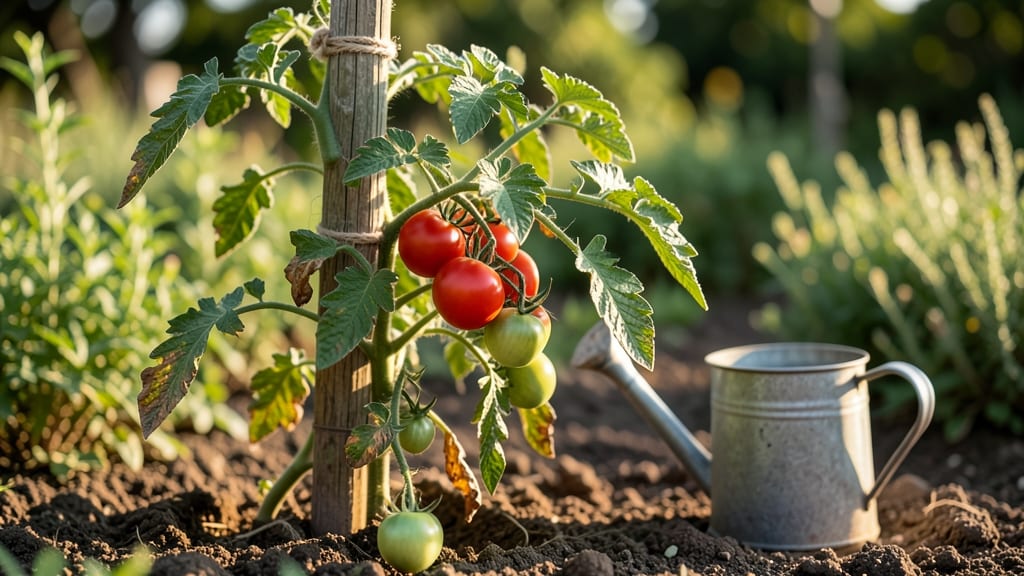
When your tomato plants’ leaves are turning brown, your harvest is at risk unless you act now. 🌱 I’ve saved dozens of tomato plants from this exact problem by identifying the root cause—whether it’s fungal blight, overwatering, or nutrient stress—and fixing it fast. The good news?
Most cases aren’t hopeless. Start by checking for target-like brown spots (early blight) or yellowing between veins (nutrient deficiency). If the leaves feel crispy, you’re likely overwatering. Once you spot the issue, the fix is straightforward: prune infected leaves, adjust watering, and add compost or fertilizer if needed.
By the end of this, your plants will bounce back with stronger stems and healthier foliage, setting you up for a bumper crop. The key is catching it early—don’t let those brown leaves spread. Works for both container tomatoes and in-ground plants. Let’s get your tomatoes back on track!
Root Causes Of Leaf Discoloration
Tomato plants are tough, but when their leaves start turning brown, it’s usually a sign of stress—often tied to environmental or biological factors. Understanding the why behind browning leaves is the first step to saving your harvest.
Below, we break down the most common culprits, from overwatering to fungal infections, with clear explanations of how each issue damages your plants.
When tomato leaves turn brown and feel mushy or yellow at the edges, overwatering is often the culprit.
Tomatoes thrive in well-draining soil, and excess moisture suffocates roots, leading to: - Root rot (caused by Phytophthora or Pythium fungi) – Roots can’t absorb oxygen, turning brown and decaying. - Nutrient leaching – Overwatering flushes essential nutrients (like nitrogen and potassium) from the soil, weakening leaves. - Edema – When roots sit in wet soil, leaves develop blistered, brown patches due to waterlogging.
💡 Pro Tip: Stick your finger 1–2 inches into the soil before watering. If it’s damp, wait. If it’s dry, water deeply but only when the top inch is bone-dry.
Brown, crispy leaf edges or scorched-looking patches usually mean your plants are thirsty—or struggling with heat.
Tomatoes need 1–2 inches of water per week, but: - Wilting + brown tips = Underwatering (soil pulls moisture from leaves, causing them to dry out). - Sunburn (sunscald) – Young leaves exposed to direct midday sun (especially after rain) can develop brown, papery spots. - Transpiration stress – Hot, dry air forces leaves to lose moisture faster than roots can replace it.
🔥 Fix It: Water deeply in the morning (not at night) and use mulch to retain moisture. If heat is extreme, provide light shade cloth (30–50% coverage).
Brown spots with yellow halos, white powdery coatings, or leaf drop? Fungal diseases like early blight, late blight, or powdery mildew are likely at fault.
These thrive in: - High humidity + poor airflow (e.g., crowded plants, dense foliage). - Wet leaves (fungi spores splash onto leaves during watering or rain). - Cool nights + warm days (ideal for Phytophthora infestans, the late blight pathogen).
| Disease | Symptoms | Cause |
|---|---|---|
| Early Blight | Brown concentric rings on lower leaves | Alternaria solani (soilborne) |
| Late Blight | Dark, greasy spots (leaves wilt fast) | Phytophthora infestans (airborne) |
| Powdery Mildew | White fuzzy coating, brown patches | Oidium (spreads via wind) |
✨ Prevent It: Space plants 18–24 inches apart, water at the base (not overhead), and remove infected leaves immediately. Copper fungicides or baking soda spray (1 tsp baking soda + 1 quart water + drop of soap) can help.
Brown, yellowing leaves with brown veins or stunted growth?
Your tomatoes might be starving for key nutrients: - Potassium deficiency – Brown edges on older leaves (tomatoes need potassium for water regulation). - Magnesium deficiency – Yellowing between leaf veins (common in alkaline soil). - Nitrogen deficiency – Pale green or yellow leaves (affects new growth).
📊 Test Your Soil: Use a home soil test kit or send a sample to a local extension office. Amend soil with compost, banana peels (potassium), or Epsom salt (magnesium) as needed.
Chewing insects (like hornworms, aphids, or spider mites) can cause brown, ragged holes or stippled leaves. Even hail or wind can bruise foliage, leading to browning.
Check for: - Sticky residue (aphids) or fine webbing (spider mites). - Large green caterpillars (hornworms) munching on leaves. - Mechanical damage (e.g., lawnmower hitting plants).
👨🍳 Act Fast: Handpick pests, spray with neem oil, or introduce beneficial insects (ladybugs, lacewings). Protect plants with row covers if storms are forecasted.
Revive Your Tomato Plants Now
Brown, crispy leaves on your tomato plants? Don’t panic—most issues are fixable with the right care. Below, we’ve mapped out practical solutions for the most common causes, from fungal infections to environmental stressors. Each fix includes step-by-step instructions and prevention tips to keep your plants thriving.
Fungal infections are the #1 culprit behind brown, spotted, or yellowing leaves. Act fast to stop the spread!
🔥 Step 1: Remove Infected Leaves & Debris
- 👨🍳 Snip away any leaves with dark brown spots (especially on the lower stems).
- 🗑️ Dispose of them in the trash (not compost)—fungi can survive in soil.
- ⏰ Do this in the morning so leaves dry quickly, reducing humidity (fungi love moisture).
🍳 Step 2: Apply Fungicide (Organic or Chemical)
| Option | How to Use | Prevention Tip |
|---|---|---|
| Neem Oil | Mix 1 tbsp neem oil + 1 tsp mild soap + 1 quart water. Spray every 7–10 days. | Spray preventatively before rain. |
| Copper Fungicide | Follow label instructions (usually 1–2 sprays, 7–10 days apart). | Rotate with neem oil to avoid resistance. |
| Baking Soda Spray | 1 tsp baking soda + 1 quart water + a few drops of soap. Spray weekly. | Best for early signs (not severe cases). |
🌡️ Step 3: Improve Airflow & Reduce Humidity
- 💡 Prune plants to allow sunlight and air circulation.
- ✨ Space plants 18–24 inches apart (crowding = fungal paradise).
- 🎯 Use a fan on low setting for 10 mins/day to dry leaves faster.
If leaves turn crispy brown at the edges (not spotted), the issue is often environmental.
🔥 Step 1: Adjust Watering Habits
- 💧 Water deeply but less often—tomatoes hate soggy roots.
- ⏰ Water in the morning so leaves dry by evening.
- 🌡️ Check soil moisture—stick your finger 1 inch deep; water only if dry.
🍳 Step 2: Protect from Sun & Heat
- 🌿 Provide afternoon shade (use shade cloth or move pots to partial shade).
- 🥗 Mulch heavily (2–3 inches of straw or grass clippings) to retain moisture.
- 🎯 Avoid fertilizing during heatwaves—it stresses plants further.
🔪 Step 3: Trim Damaged Leaves
- ✂️ Cut off only the brown, crispy edges (not whole leaves) to reduce stress.
- 💡 Avoid pruning during heat—do it in cooler morning hours.
Tiny pests can cause brown, chewed, or stippled leaves. Here’s how to evict them:
🔥 Step 1: Inspect & Remove Pests
- 👨🍳 Check undersides of leaves for aphids (tiny green/black bugs) or spider mites (tiny webs).
- 🔪 Handpick hornworms (large green caterpillars) and drop them in soapy water.
- 💡 Shake plants gently over a bucket of soapy water to dislodge pests.
🍳 Step 2: Use Natural Repellents
| Pest | Solution | Prevention Tip |
|---|---|---|
| Aphids | Spray with soapy water (1 tsp dish soap + 1 quart water). Repeat in 3 days. | Attract ladybugs (their natural predators). |
| Spider Mites | Blast off with water spray, then apply neem oil. | Increase humidity (mites hate it). |
| Hornworms | Introduce parasitic wasps (they hunt hornworms naturally). | Plant basil nearby—it repels them. |
✨ Step 3: Strengthen Plant Health
- 💪 Fertilize lightly with balanced 10-10-10 or compost tea.
- 🥗 Avoid nitrogen-heavy fertilizers—they attract pests.
- 🎯 Rotate crops next season to break pest cycles.
- 💡 Plant in full sun (6–8 hours/day) but protect from intense afternoon sun.
- 🌡️ Choose disease-resistant varieties (e.g., ‘Celebrity,’ ‘Mountain Merit’).
- 🎯 Rotate crops—don’t plant tomatoes in the same spot yearly.
- 🔥 Monitor regularly—catch issues before they spread!
Pro Tip: 🌿 A healthy tomato plant is your best defense! Focus on prevention (fungicides, airflow, pest control) and your plants will bounce back faster. If all else fails, start fresh**—sometimes a new transplant is the easiest fix! 🍅✨
Frequently asked questions
Why are my tomato leaves turning brown only at the edges?
This is usually a sign of underwatering or heat stress. Tomato leaves lose moisture through their edges first when they're thirsty. Check the soil—if the top 1 inch is dry, water deeply in the morning. For extreme heat, provide afternoon shade with light shade cloth to prevent sunburn.
What’s the difference between early blight and late blight on tomato leaves?
Early blight shows as brown concentric rings on older leaves (starts at the bottom), while late blight causes dark, greasy-looking spots that spread quickly to stems and fruit. Late blight is more urgent—remove infected plants immediately and apply copper fungicide. Early blight spreads slower but still needs pruning and airflow improvements.
Can I save my tomato plant if most leaves are already brown and crispy?
It depends! If the browning is only on lower leaves (common with early blight), prune them and focus on new growth. But if most leaves are crispy or the plant is wilting, it may be too late. For severe cases, consider replacing the plant and improving conditions (better drainage, airflow) for future tomatoes. Prevention is key!
How often should I spray neem oil to prevent fungal diseases?
Apply neem oil every 7–10 days as a preventive measure, especially before rainy weather. For active infections, spray every 5–7 days until symptoms disappear. Always spray in the early morning or evening to avoid burning leaves in direct sunlight. Mix 1 tbsp neem oil with 1 tsp mild soap per quart of water.
Will Epsom salt help my tomato plants if the leaves are turning brown?
Only if the browning is caused by a magnesium deficiency (yellowing between leaf veins). Dissolve 1 tablespoon of Epsom salt in a gallon of water and spray it on the leaves every 2 weeks. For other causes (like fungal diseases or overwatering), Epsom salt won’t help—focus on the root issue instead.