
Vegetables
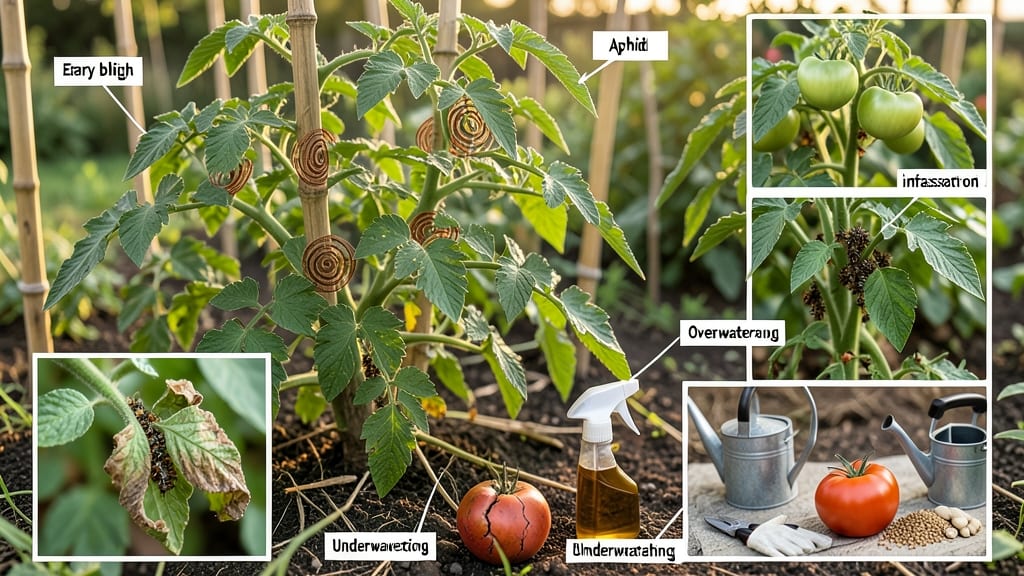
Your tomato problems and solutions are simpler than you think—and I’ve cracked the code. 🌱 Blossom end rot, yellow leaves, and fruit cracks aren’t just annoyances—they’re fixable with the right tweaks.
I’ve lost entire harvests to these issues, but now I know exactly what to do when the first signs appear. The real game-changer? Consistent moisture and balanced soil—not fancy sprays or expensive tricks. Most gardeners overwater or underwater, and that’s when problems start.
A simple soil test and a watering schedule (yes, even on cloudy days) can turn a struggling plant into a productive powerhouse. You’ll spot the fixes before they become disasters: dark spots on fruit? Calcium boost. Wilted leaves? Mulch and shade.
By the end of summer, your tomatoes will be plump, disease-free, and begging for the vine. No more wasted effort—just reliable results. Works for backyard gardens, containers, and even balcony setups. Let’s save your harvest before it’s too late.
Root Causes Of Tomato Troubles
Understanding why your tomatoes develop issues like blossom end rot, cracking, or yellowing leaves starts with recognizing the hidden factors at play. These problems rarely appear out of nowhere—they’re often symptoms of deeper imbalances in your garden’s ecosystem.
Let’s break down the science behind the struggle and why your plants might be sending up distress signals.
Blossom end rot isn’t just a random spot—it’s your tomato’s way of screaming, “I need calcium, NOW!” 🚨 Here’s why it happens:
- Calcium Uptake Blocked by Water Stress Tomatoes absorb calcium through water, but if the soil dries out too quickly (even briefly), the plant can’t transport enough calcium to the growing fruit. Think of it like a traffic jam: if the “pipes” (xylem vessels) dry up, calcium gets stuck in the roots and never reaches the blossom end.
- Soil pH Too High or Too Low Calcium thrives in a pH range of 6.0–6.8. If your soil is too acidic (<6.0) or alkaline (>7.0), the plant struggles to access calcium, even if it’s present. Test your soil—surprises like lime-heavy or clay soils can lock out nutrients.
- Over-Fertilizing with Nitrogen Too much nitrogen (common in fast-acting fertilizers) sends the plant into growth overdrive, prioritizing leafy foliage over fruit development. The result? Calcium gets siphoned to new leaves instead of the blossoms.
- Root Zone Issues Compacted or poorly aerated soil restricts root growth, limiting the plant’s ability to forage for calcium. Even if you’re adding calcium supplements, the roots can’t access them efficiently.
Those unsightly (but harmless) cracks in your tomatoes? Blame rapid water uptake during fruit development. Here’s the breakdown:
- Inconsistent Watering Patterns Tomatoes soak up water like sponges, but if they’re thirsty one day and drenched the next, the fruit expands unevenly. This causes the skin to split as the flesh swells faster than the outer layer can stretch.
- Heavy Rain or Overwatering A sudden downpour or hose blast can deliver too much water at once, overwhelming the plant’s ability to regulate moisture. The fruit’s cells absorb water faster than the skin can adapt, leading to cracks.
- Soil with Poor Drainage Clay or compacted soils hold water like a sponge, suffocating roots and creating hydroponic stress. When roots can’t breathe, they struggle to regulate water flow, and the fruit bears the brunt.
- Late-Season Watering Surges Tomatoes need steady moisture, but if you cut back on water in late summer (thinking they’re “done growing”), then suddenly water them again, the fruit reacts by cracking to accommodate the extra moisture.
Yellow leaves aren’t just a sign of age—they’re a multivitamin deficiency in disguise. The most common culprits:
- Nitrogen Starvation (Lower Leaves First) If older leaves turn yellow while new growth stays green, your plant is hungry for nitrogen, the building block of chlorophyll.
This happens when: - Soil is depleted (common in heavy harvesters like tomatoes). - Fertilizer washes away due to poor mulching or frequent rain. - Roots can’t access nitrogen because of compacted soil or fungal root rot.
- Iron or Magnesium Deficiency (Interveinal Chlorosis) Yellowing between veins (while veins stay green) signals trouble with micronutrients. This often occurs in:
- Alkaline soils (pH >7.0), which lock out iron and magnesium.
- Over-fertilized soils with too much phosphorus, which competes with iron uptake.
- Overwatering or Poor Drainage Waterlogged roots starve the plant of oxygen, preventing it from absorbing nutrients efficiently. Yellow leaves paired with mushy stems? That’s a red flag for root rot.
- Pests or Diseases Sap-sucking pests (like aphids or spider mites) steal nutrients, causing leaves to yellow prematurely. Fungal infections (e.g., early blight) also disrupt nutrient flow.
If your tomatoes are small, misshapen, or slow to develop, the issue likely stems from environmental mismanagement:
- Temperature Extremes Tomatoes thrive in 70–85°F (21–29°C). Below 50°F (10°C), growth stalls due to:
- Cold soil slowing root activity.
- Frost damage killing pollen, leading to poor fruit set.
- Heat stress above 95°F (35°C) causes flower drop (blossoms abort before fruiting).
- Lack of Pollination Tomatoes are self-pollinating, but they need gentle vibrations (from bees, wind, or even your finger!) to release pollen. In greenhouses or during humid, still days, pollination fails, resulting in small, undeveloped fruit.
- Root Bound or Transplant Shock If roots are crowded (from small pots or over-planting), the plant diverts energy to root growth instead of fruiting. Similarly, transplant shock (from sudden temperature or water changes) can halt development for weeks.
- Competition for Resources Overcrowded plants fight for sunlight, water, and nutrients, leading to weak vines and small fruit. Aim for 18–24 inches of space between tomato plants.
Next up: How to Fix These Issues—because knowing the "why" makes the "how" a whole lot easier!
Quick Fixes for Common Tomato Troubles
Gardeners love tomatoes, but these juicy fruits can fall victim to a variety of issues—from unsightly blemishes to sudden wilting. The good news? Most tomato problems have simple, effective solutions. Below, we’ll break down practical fixes for the most common issues, along with prevention tips to keep your plants thriving.
Cause: A lack of calcium in the soil or inconsistent watering leads to dark, sunken spots on the fruit’s bottom.
How to Fix It: 🔥 Boost Calcium Immediately
- Sprinkle crushed eggshells or calcium-rich compost around the base of the plant. Eggshells are free, easy to find, and packed with calcium! Let them decompose for a few weeks before expecting results.
- Use a calcium supplement like gypsum (calcium sulfate) or a liquid calcium nitrate fertilizer. Follow package instructions for dosage—overdoing it can harm plants.
🍳 Adjust Watering Habits
- Water deeply and consistently (1–2 inches per week). Avoid letting the soil dry out completely between waterings, then drowning the roots. Drip irrigation or soaker hoses help maintain steady moisture.
- Water in the morning to allow foliage to dry, reducing disease risk.
👨🍳 Prevent Future Outbreaks
- Test your soil every 2–3 years to check calcium levels. Aim for a pH between 6.0–6.8—too acidic or alkaline can block calcium uptake.
- Mulch heavily with straw or grass clippings to retain moisture and prevent temperature fluctuations, which stress plants.
Cause: Aphids, whiteflies, hornworms, or spider mites suck sap, stunt growth, or chew leaves, leaving behind sticky residue or holes.
How to Fix It: 🔪 Manual Removal (Best for Small Infestations)
- Hornworms? Pick them off by hand (they’re big and easy to spot!) and drop them in soapy water.
- Aphids/whiteflies? Blast them off with a strong stream of water from a hose in the early morning.
🥘 Natural Sprays for Heavy Infestations - Neem oil spray: Mix 1 tsp neem oil + 1 tsp mild soap + 1 quart water. Spray every 5–7 days until pests disappear.
Neem disrupts pests’ life cycles without harming beneficial insects. - Insecticidal soap: Use 1–2 tbsp per gallon of water. Reapply after rain. Test on a few leaves first to avoid burning tender foliage.
⏰ Preventative Measures
- Encourage predators: Plant marigolds, basil, or dill nearby to attract ladybugs, lacewings, and parasitic wasps—nature’s pest control!
- Row covers: Use floating row covers early in the season to block pests before they lay eggs.
- Rotate crops: Avoid planting tomatoes in the same spot yearly to disrupt pest life cycles.
Cause: Yellowing leaves can signal nitrogen deficiency, fungal diseases (like early blight), or overwatering.
How to Fix It: 💡 Diagnose the Problem First
- Lower leaves yellowing? Likely overwatering or nitrogen deficiency.
- Yellow spots with brown edges? Early blight (a fungal disease).
- Entire plant wilting + yellowing? Root rot from soggy soil.
📊 Nitrogen Boost for Healthy Growth
- Add compost or a balanced fertilizer (like 10-10-10) to the soil. For a quick fix, use liquid fish emulsion (rich in nitrogen).
- Avoid over-fertilizing—too much salt can burn roots. Follow package rates!
🌡️ Fungal Disease Treatment - Prune infected leaves immediately and dispose of them (don’t compost!).
Use sterilized pruners to avoid spreading spores. - Apply copper fungicide or a baking soda spray (1 tbsp baking soda + 1 quart water + a few drops of soap) every 7–10 days until the problem clears. - Improve airflow: Space plants 18–24 inches apart and remove suckers to reduce humidity around leaves.
🎯 Prevent Future Issues
- Water at the base (not overhead) to keep foliage dry.
- Rotate crops annually to prevent soil-borne diseases.
- Use resistant varieties: Try ‘Celebrity’ or ‘Mountain Merit’ tomatoes, bred to resist common diseases.
Cause: Rapid watering after drought or uneven soil moisture causes tomatoes to split as they grow.
How to Fix It:
- Harvest early: Pick tomatoes just before they crack (they’ll still ripen off the vine).
- Mulch heavily: Use straw or wood chips to keep soil moisture consistent.
- Water deeply but less often: Aim for 1–1.5 inches per week, adjusting for rain.
✨ Prevention Tips
- Choose crack-resistant varieties like ‘Roma’ or ‘San Marzano’—they’re less prone to splitting.
- Avoid late-season watering spikes: Once tomatoes start coloring, reduce watering slightly to slow growth.
Pro Tip: 🌱 Keep a garden journal! Note what works (and what doesn’t) each season to refine your approach year after year. Happy gardening!
Frequently asked questions
Why do my tomato leaves turn yellow first at the bottom?
This is usually a sign of overwatering or nitrogen deficiency. Check if the soil stays soggy for days—roots need air! For a quick fix, add compost or a balanced fertilizer (like 10-10-10) and water only when the top 1 inch of soil feels dry.
How can I stop my tomatoes from cracking?
Cracking happens when soil moisture swings wildly. Keep watering consistent (1-1.5 inches per week) and mulch with straw to lock in moisture. For existing cracks, harvest tomatoes just before they split—they’ll still ripen indoors!
What's the fastest way to fix blossom end rot?
Spread crushed eggshells around the base and water deeply every 2-3 days. For severe cases, use a calcium supplement (like gypsum) mixed into the soil. The key is preventing soil from drying out completely between waterings.
Are those white spots on my tomato leaves harmful?
If they're powdery mildew, yes! Scrape off infected leaves and spray with a baking soda mix (1 tbsp baking soda + 1 quart water + soap). For prevention, space plants 18-24 inches apart and water at the base to keep foliage dry.
Can I save my tomato plant if it's wilting completely?
Check for root rot first—gently tug on the plant. If roots are mushy and smelly, it's too late. For early wilting, prune damaged leaves, water only at the base, and move to partial shade. Most plants recover within 3-5 days if caught early!