
How To
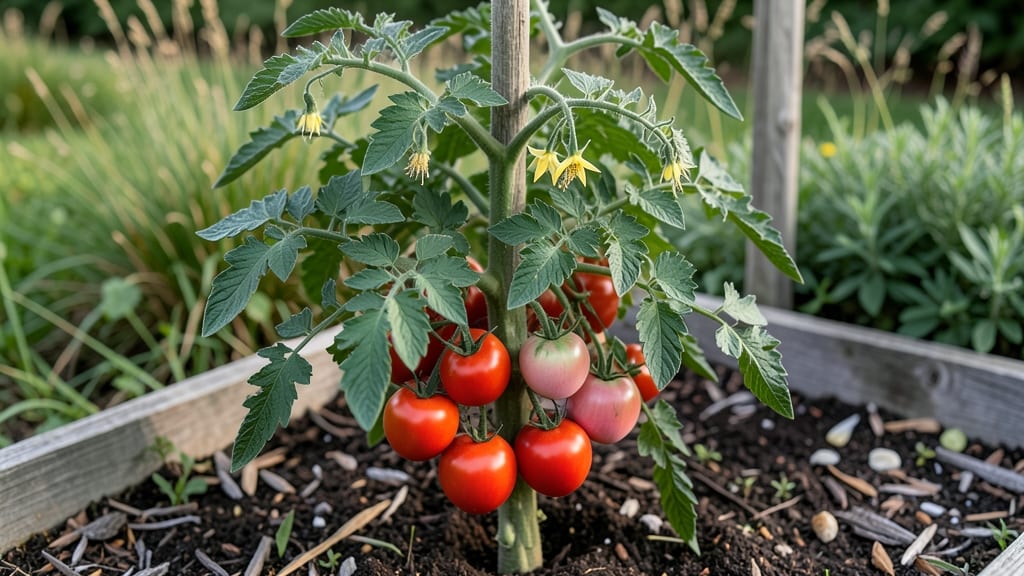
What causes tomato wilt can turn your lush plants into sad, drooping sticks overnight—unless you know the real culprits behind it. 🌱 I’ve seen firsthand how quickly a thriving vine can collapse from hidden soil-borne diseases, pests, or even something as simple as overwatering. The key to saving your harvest lies in recognizing the symptoms early and acting fast.
Fungal diseases like Fusarium and Verticillium wilt spread through contaminated soil, while bacterial infections or root damage from pests can mimic drought stress. Even nutrient deficiencies or poor air circulation create the perfect storm for trouble.
The good news? Most wilting isn’t a death sentence—it’s a fixable problem once you pinpoint the root cause.
Start by checking the stems for discoloration, the soil for moisture, and the leaves for spots or wilting patterns. Proper spacing, crop rotation, and balanced watering can prevent many issues, but if wilting strikes, targeted solutions like pruning, fungicides, or adjusting your care routine can bring plants back to life.
Whether it’s your first garden or your tenth, knowing these 9 common causes will help you act before it’s too late. Let’s diagnose and fix your tomato woes step by step—so you can enjoy those juicy slices instead of wilting disappointment.
The Hidden Triggers Behind Wilting Tomatoes
Tomatoes are resilient, but even the hardiest plants can succumb to wilt when the right (or wrong) conditions align. Understanding why your tomato plants lose their vigor is the first step to reviving them—or preventing it entirely.
Below, we break down the science behind the most common causes, from soil-borne invaders to environmental stress.
Fungal pathogens are the #1 cause of tomato wilt, often lurking unseen until they strike. Two notorious culprits—Fusarium oxysporum and Verticillium dahliae—thrive in warm, moist soil and block a plant’s vascular system, cutting off water and nutrients. Here’s how it happens:
- Root invasion: Spores attach to roots, germinate, and penetrate tissues, forming microscopic threads (hyphae) that clog xylem vessels.
- Systemic spread: Once inside, fungi multiply rapidly, releasing toxins that trigger wilting even when soil moisture is adequate.
- Rapid decline: Leaves yellow (chlorosis) before wilting, often starting on one side of the plant. Fusarium wilt may cause a reddish-brown discoloration in stems when cut open.
💡 Pro Tip: Rotate crops yearly and avoid planting tomatoes, peppers, or eggplants (all nightshades) in the same spot for 3+ years to starve out fungal spores. Solarization (covering soil with clear plastic for 4–6 weeks in summer) can also kill pathogens.
Unlike fungi, Ralstonia solanacearum (the bacterium behind bacterial wilt) spreads aggressively through water, tools, and even contaminated soil. It hijacks a plant’s vascular system in days, causing:
- Sudden collapse: Leaves wilt within 24–48 hours, often in the middle of the day when transpiration demands peak.
- Oozing stems: Cut open an infected stem—if a milky-white bacterial ooze oozes out, it’s bacterial wilt.
- Systemic infection: The bacterium multiplies in water-conducting cells, creating blockages that strangle the plant.
⚠️ Warning: This disease is not curable. Remove infected plants immediately (including roots) and disinfect tools with 10% bleach solution or 70% rubbing alcohol. Avoid overhead watering to prevent splashing bacteria onto leaves.
Tomatoes need consistent moisture, but too much water suffocates roots by:
- Disrupting oxygen: Waterlogged soil forces roots to respire anaerobically, producing toxic ethanol and acetic acid, which damage cells.
- Encouraging rot: Pythium and Phytophthora fungi thrive in soggy conditions, attacking roots and stems.
- Nutrient leaching: Excess water washes away essential minerals like potassium and calcium, weakening structural integrity.
🌡️ Fix It: Test soil drainage by digging a 6-inch hole and filling it with water—if it doesn’t drain within 2–4 hours, amend with compost or perlite. Water deeply 2–3 times per week (adjust for climate) and ensure containers have drainage holes.
Tomatoes are tropical plants at heart—prolonged heatwaves or sudden cold snaps can trigger wilt by:
- Closing stomata: High temperatures (>90°F/32°C) cause leaf pores to seal, reducing water uptake and cooling.
- Cell membrane damage: Freezing temperatures (<32°F/0°C) rupture cell walls, disrupting water flow and nutrient transport.
- Root shock: Fluctuating temps (e.g., daytime heat + nighttime chill) stress roots, slowing water absorption.
🔥 Action Steps:
- Provide shade cloth (30–50% coverage) during heatwaves.
- Use mulch (straw or wood chips) to regulate soil temp.
- In cold climates, row covers or black plastic mulch can add 2–4°F of protection.
Tomatoes are highly sensitive to residual herbicides (especially glyphosate) and over-fertilization. Here’s how it happens:
- Systemic absorption: Roots uptake herbicides, which disrupt auxin (a growth hormone), causing stunted growth and wilting.
- Salt buildup: Over-fertilizing (especially with synthetic nitrogen) increases soil salinity, burning root tips and reducing water uptake.
- Fungicide resistance: Some systemic fungicides (e.g., chlorothalonil) can stress plants if overused.
🚫 Prevention:
- Avoid planting tomatoes where herbicides (even "organic" ones like vinegar) were recently applied.
- Test soil pH (ideal: 6.0–6.8) and EC (salinity) before fertilizing.
- Use compost tea or fish emulsion for gentle, balanced nutrients.
These tiny worms (Meloidogyne spp.) penetrate roots, forming gall-like knots that disrupt water and nutrient flow. Symptoms include:
- Stunted growth: Roots become lumpy and distorted, reducing surface area for absorption.
- Yellowing leaves: Even with adequate water, plants can’t uptake enough, leading to interveinal chlorosis (yellowing between veins).
- Wilt under stress: Nematodes weaken plants, making them more susceptible to drought or disease.
🔍 Diagnosis: Dig up roots—if they look like "beaded necklaces", nematodes are likely the culprit. Solarize soil or plant nematode-resistant varieties (e.g., 'Mountain Merit' or 'Defiant PhR').
Even mechanical stress can trigger wilt by:
- Stem
Revive Your Plants Fast
Wilted tomato plants can be a heartbreaking sight, but the good news is that many causes have quick fixes—and some even prevent future wilting!
Below, we’ve mapped out practical solutions for each common culprit, from soil issues to pests, so you can nurse your plants back to health (or keep them thriving in the first place).
Signs: Yellowing leaves, mushy stems, or dry, crispy foliage.
Overwatering? Drain & Adjust
🔥 Step 1: Stop Watering Immediately
- Let the soil dry out completely before watering again. Stick your finger 1–2 inches deep—if it’s soggy, wait.
🍳 Step 2: Improve Drainage
- If your pots lack drainage holes, add them or repot into containers with better airflow.
- Mix in perlite or coarse sand (1 part to 3 parts soil) to loosen compacted soil.
👨🍳 Step 3: Prune Damaged Leaves
- Snip off yellow or blackened leaves with clean scissors to prevent fungal growth.
⏰ Step 4: Water Deeply but Less Often
- Morning watering (6–8 AM) reduces evaporation. Aim for 1–1.5 inches per week, adjusting for heat.
💡 Prevention Tip: Use a moisture meter or the "squeeze test"—if soil clumps when pressed, it’s overwatered.
Signs: Drooping leaves, white/yellow patches, or scorched edges.
Shade & Hydration Rescue
🔥 Step 1: Provide Afternoon Shade
- Use shade cloth (30–50%) or move plants to a spot with dappled sunlight (e.g., near a fence or under a trellis).
🥘 Step 2: Mulch Like a Pro
- Spread 2–3 inches of straw or wood chips around the base to retain moisture and cool roots.
🔪 Step 3: Trim Aggressive Growth
- Pinch off new suckers or overgrown branches to reduce water demands.
🌡️ Prevention Tip: Drip irrigation (vs. overhead watering) keeps leaves dry and cool. Water early morning to let foliage dry before evening.
Signs: Sudden wilting (even with wet soil), dark streaks in stems, or mold on leaves.
Fungal/Bacterial Wilting? Act Fast!
🔥 Step 1: Remove Infected Plants
- Dispose of severely wilted plants in the trash (not compost!) to stop spread.
🍳 Step 2: Sterilize Tools & Soil
- Soak pruners in 1 part bleach to 9 parts water between cuts.
- Replace top 2–3 inches of soil with fresh, sterilized potting mix.
👨🍳 Step 3: Apply Fungicide
- Spray with copper fungicide (like Bordeaux mixture) or neem oil (1 tbsp per gallon of water) every 7–10 days.
⏰ Step 4: Improve Airflow
- Space plants 18–24 inches apart and prune lower leaves to reduce humidity near the soil.
💡 Prevention Tip: Rotate crops—never plant tomatoes (or nightshades) in the same spot two years in a row.
Signs: Sticky leaves, tiny webs, or chewed stems.
Pest Control That Works
🔥 Step 1: Blast Off Pests
- Spray with soapy water (1 tsp mild soap per quart of water) or neem oil (repeat every 5 days).
🍳 Step 2: Introduce Beneficial Insects
- Release ladybugs or lacewings (available at garden centers) to eat aphids naturally.
👨🍳 Step 3: Use Row Covers
- Cover young plants with floating row covers to block pests while allowing sunlight.
✨ Prevention Tip: Interplant with basil or marigolds—they repel pests naturally!
Signs: Yellowing between veins (nitrogen), purple stems (phosphorus), or weak growth.
Balance Soil for Stronger Plants
🔥 Step 1: Test Your Soil
- Use a DIY soil test kit (or send a sample to a local extension office) to check pH and nutrients.
🍳 Step 2: Amend the Soil
- Low nitrogen? Add compost or blood meal.
- High salt? Flush with extra water and mix in peat moss.
- pH too low? Sprinkle lime (follow package instructions).
👨🍳 Step 3: Fertilize Smartly
- Use a balanced fertilizer (10-10-10) every 2–3 weeks during growing season.
- Avoid over-fertilizing—wilting can occur if roots burn!
💡 Prevention Tip: Side-dress (add fertilizer to soil around plants, not on leaves) for slow, steady nutrient release.
Final Pro Tip: 🎯 Keep a garden journal! Note when you water, fertilize, and spot wilting—patterns will help you prevent future problems. A healthy tomato plant is worth the effort! 🍅💪
Frequently asked questions
Why do my tomato plants wilt in the middle of the day but recover at night?
This classic symptom often signals bacterial wilt caused by Ralstonia solanacearum. The bacteria clog the plant's water transport system, making leaves droop when transpiration demands peak during daylight. If you cut open a stem and see milky-white ooze, it's bacterial wilt—remove infected plants immediately and disinfect tools with 70% rubbing alcohol.
Can I save a tomato plant with fungal wilt like Fusarium or Verticillium?
Unfortunately, once these soil-borne fungi infect your plant, there's no cure. The best approach is prevention: rotate crops annually (avoid planting nightshades in the same spot for 3+ years) and practice solarization (covering soil with clear plastic for 4-6 weeks in summer). For current plants, remove them completely and sterilize the soil with copper fungicide.
How do I tell if my wilting tomato plant needs water or has a disease?
Check the soil first—if it's dry 1-2 inches deep, water may be the issue. But if the soil is wet and leaves still wilt, it's likely a vascular disease. Look for other clues: yellowing between veins suggests nutrient deficiency, while dark streaks in stems indicate fungal/bacterial infection. Always examine stems and roots for physical damage or pests.
Will pruning help revive a wilted tomato plant?
Pruning can help in some cases, but it's not a cure-all. For overwatered plants, remove yellow or blackened leaves to reduce fungal growth. For heat-stressed plants, trim aggressive growth to reduce water demands. However, if wilting is caused by vascular diseases (like Fusarium), pruning won't help—remove the entire plant to prevent spread.
How long does it take to see improvement after treating wilting?
That depends on the cause! For overwatering, you may see improvement in 24-48 hours after adjusting your watering routine. For heat stress, providing shade can show results within 3-5 days. However, for vascular diseases, there's typically no recovery—the plant will continue to decline. Always act quickly when you first notice wilting symptoms.