
Plants
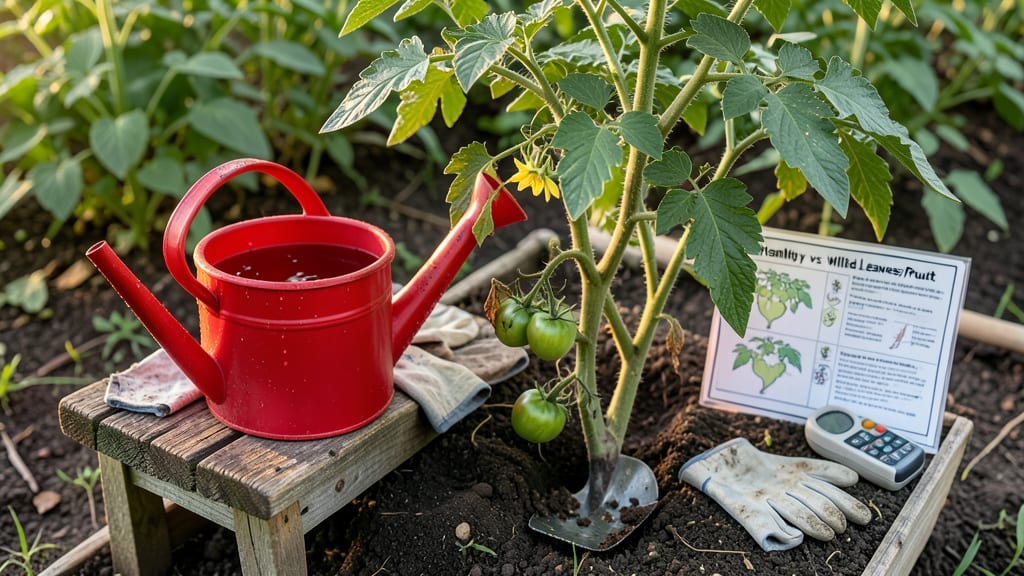
Your tomato plants looking wilted isn’t just frustrating—it’s a cry for help from your plants. 🌱 I’ve seen this happen after a single hot afternoon or from hidden problems lurking in the soil, and the good news is most causes have quick fixes.
The first step is figuring out whether your plants are thirsty, drowning, or fighting something unseen.
Overwatering and underwatering are the most common culprits, but they look different. Droopy leaves that stay soft even when watered? Likely root stress. Crispy edges or leaves that crunch when touched?
Probably underwatering. Then there’s the silent killer: pests like nematodes or diseases such as early blight, which can sneak in through the roots or leaves without warning.
Once you pinpoint the issue, the fix is often simpler than you think. Adjusting your watering schedule, adding mulch to retain moisture, or even a quick spray of neem oil can turn things around.
I’ve revived plants that looked done for in just a few days—sometimes it’s as easy as giving them the right care at the right time.
This guide breaks down the five most likely reasons and gives you step-by-step solutions, so you can stop guessing and start saving your plants. Let’s get those tomatoes perking up again—your harvest depends on it.
Root Causes Of Wilting Tomatoes
When your tomato plants start looking droopy and sad, it’s usually a sign that something’s gone wrong beneath the surface—literally. Wilting is often a cry for help, and understanding the why behind it is the first step to reviving your plants.
Below, we break down the most common reasons your tomatoes might be wilting, complete with the science and actionable fixes to get them back on track.
Tomatoes need consistent moisture, but too much water—especially without proper drainage—can suffocate roots and lead to wilting. When soil stays soggy for too long, oxygen can’t reach the roots, causing them to drown.
This triggers a condition called root rot, where fungi or bacteria attack weakened roots, cutting off water and nutrient uptake.
🔍 How to spot it:
- Yellowing leaves (especially lower ones)
- Mushy, black, or foul-smelling roots if you dig them up
- Wilting that happens even when the soil is wet
💡 Fix it:
- Let the top inch of soil dry out between waterings—stick your finger in to check!
- Improve drainage by amending soil with compost or perlite, or raise beds with containers.
- If root rot is severe, trim affected roots with sterilized scissors and repot in fresh, dry soil.
Tomatoes are thirsty plants, and when they don’t get enough water—especially in hot weather—they’ll wilt faster than a wilting salad. Underwatering causes physiological drought stress, where the plant’s cells lose turgor pressure (the internal water pressure that keeps stems rigid). This often happens in the afternoon when evaporation rates spike.
🔍 How to spot it:
- Wilting that rebounds after watering (unlike root rot, which doesn’t)
- Dry, crispy leaf edges
- Soil that’s bone-dry several inches down
💡 Fix it:
- Water deeply early in the morning (6–8 AM) to reduce evaporation.
- Use mulch (straw or wood chips) to retain soil moisture.
- Move potted tomatoes to a shadier spot during heatwaves.
Tomatoes thrive in warm weather but can wilt if temperatures drop below 50°F (10°C) at night or spike above 90°F (32°C) during the day. Cold snaps cause chilling injury, disrupting cell membranes and slowing metabolism, while heat stress closes stomata (leaf pores), reducing water uptake and photosynthesis.
🔍 How to spot it:
- Wilting that happens overnight or in early morning
- Purple or yellow discoloration on leaves (sign of stress)
- Slow or stunted growth
💡 Fix it:
- Use row covers or cloches for early-season frost protection.
- Provide afternoon shade with shade cloth (30–50%) during heatwaves.
- Water at the base (not overhead) to cool roots without shocking leaves.
Sap-sucking pests like aphids, spider mites, or whiteflies weaken tomato plants by draining their sap, while diseases like early blight or fusarium wilt clog vascular tissue, preventing water flow. Even cutworms can sever stems overnight, causing sudden wilting.
🔍 How to spot it:
- Sticky residue (honeydew) on leaves from pests
- Tiny webs (spider mites) or black spots (fungal diseases)
- Wilting that starts in one section of the plant and spreads
💡 Fix it:
- Spray plants with neem oil or insecticidal soap for pests.
- Remove and destroy infected leaves (don’t compost them!).
- Rotate crops next season to prevent soil-borne diseases.
Newly transplanted tomatoes or those in root-bound pots struggle to absorb water because their roots are damaged or circling tightly. This disrupts the plant’s ability to uptake moisture, leading to wilting—even if the soil seems moist. Young plants are especially vulnerable after being moved from nursery pots to the garden.
🔍 How to spot it:
- Wilting that happens within days of transplanting
- Roots growing in a tight circle around the pot
- Stunted growth despite regular watering
💡 Fix it:
- Water deeply before and after transplanting to reduce shock.
- Loosen root-bound roots gently before repotting in larger containers.
- Use a root stimulator (like mycorrhizal fungi) to encourage growth.
Now that you know the why, the next step is diagnosing which issue is affecting your plants. Check the soil, leaves, and roots for clues—your tomatoes are counting on you! 🍅🌱
How to solve it
Now that you’ve identified why your tomato plants look wilted, it’s time to roll up your sleeves and get them back to thriving! The good news? Most of these fixes are simple, cost-effective, and can be done with tools you likely already have.
Let’s tackle each cause with a step-by-step plan—plus some pro tips to keep your plants happy long-term.
If your tomatoes are drowning in soggy soil, they’ll wilt faster than a salad in the sun. Here’s how to rescue them:
🔥 Step 1: Check the Soil
Gently dig around the base of the plant (about 2 inches deep). If the soil feels squishy or smells musty, it’s time to act. Healthy soil should feel moist but not waterlogged—like a damp sponge.
🍳 Step 2: Improve Drainage
- Raise the pot (if potted): Place your container on a saucer or elevated stand to prevent water pooling at the bottom.
- Add perlite or sand: Mix in 20-30% perlite, coarse sand, or small gravel to loosen heavy soil.
This helps water drain faster. - Repot if needed: If your container lacks drainage holes, transfer your plant to one with holes or create DIY drainage by drilling them yourself.
👨🍳 Step 3: Adjust Your Watering Routine
- Water deeply but less often: Instead of daily light sprinkles, water until the top 2-3 inches of soil are moist, then wait until the top inch feels dry before watering again.
- Water at the base: Avoid wetting the leaves to prevent fungal diseases like blight.
- Use the “finger test”: Stick your finger into the soil—if it’s damp at 1-2 inches down, hold off on watering.
🎯 Prevention Tips
- Choose well-draining soil: Opt for a mix labeled “potting mix” or “tomato soil” with added compost.
- Mulch matters: Spread 2-3 inches of organic mulch (like straw or shredded leaves) around the base to retain moisture without suffocating roots.
- Monitor weather: After heavy rain, check soil moisture—you may need to skip a watering session.
Wilting from thirst is often a slow-motion disaster. Here’s how to quench your plants’ thirst and protect them from scorching heat:
🔥 Step 1: Give Them a Deep Drink
- Soak the roots: Water slowly until it seeps out the drainage holes (for potted plants) or until the soil is moist 6 inches down (for in-ground plants).
- Use lukewarm water: Cold water can shock roots, especially in hot weather.
🥘 Step 2: Shield from the Midday Sun
- Provide shade cloth: If temperatures exceed 90°F (32°C), drape a lightweight shade cloth (30-50% shade) over your plants for a few hours.
- Move potted plants: Place them in a spot with morning sun and afternoon shade, or bring them indoors during peak heat.
- Reflective surfaces help: Place a white tray or mirror nearby to bounce light away from leaves.
⏰ Step 3: Water at the Right Time
- Early morning (6-9 AM): This gives leaves time to dry, reducing fungal risks.
- Avoid evening watering: Wet foliage overnight invites diseases like early blight.
💡 Prevention Tips
- Group plants together: They create a microclimate that retains moisture and cools the air.
- Drip irrigation: Install a slow-drip system to deliver water directly to the roots without wetting leaves.
- Self-watering pots: Consider upgrading to a self-watering container to maintain consistent moisture.
Fungal infections (like Fusarium or verticillium wilt) or pests (such as aphids or spider mites) can drain your plants’ vitality. Here’s how to combat them:
🔥 Step 1: Identify the Culprit
- Fungal wilt: Look for yellowing leaves, wilting that spreads upward, and dark streaks in the stem when cut open.
- Pests: Check the undersides of leaves for tiny insects, sticky residue (honeydew), or webs.
🍳 Step 2: Treat Fungal Issues
- Remove infected plants: Dig up and dispose of severely affected plants (don’t compost them!) to prevent spread.
- Fungicide spray: Use a copper-based or neem oil fungicide (follow label instructions).
Spray early in the morning on a dry day. - Improve airflow: Prune crowded foliage and space plants 18-24 inches apart.
👨🍳 Step 3: Kick Pests to the Curb
- Neem oil spray: Mix 1 tbsp neem oil + 1 tsp mild soap in 1 quart of water.
Spray leaves thoroughly every 5-7 days. - Introduce beneficial insects: Ladybugs and lacewings devour aphids—buy them online or attract them with companion plants like marigolds. - Hose them off: Blast pests away with a strong stream of water (especially for aphids).
🎯 Prevention Tips
- Rotate crops: Avoid planting tomatoes in the same spot yearly to prevent soil-borne fungal buildup.
- Sterilize tools: Clean pruners and pots with rubbing alcohol between uses.
- Healthy soil = strong plants: Amend soil with compost to boost plant resilience.
If roots are tangled, damaged, or struggling to adapt, your tomatoes need some TLC to recover.
🔥 Step 1: Gently Loosen Roots (If Repotting)
- For potted plants: Remove the plant, loosen the root ball with your fingers, and trim any black, mushy roots with sterilized scissors.
- For in-ground plants: Avoid disturbing roots further—focus on watering and mulching instead.
🥘 Step 2: Support Recovery
- Use a root stimulator: Mix a product like Mycorrhizal fungi or seaweed extract into water and apply it to the soil.
- Stake or cage them: Provide support to prevent further stress on weak stems.
- Fertilize lightly: Wait 1-2 weeks, then apply a balanced, water-soluble fertilizer (like 10-10-10) at half strength.
⏰ Step 3: Monitor Progress
- Watch for new growth: Healthy roots will sprout new leaves within 1-2 weeks.
- Adjust care: If wilting persists, check for other issues like pests or disease.
💡 Prevention Tips
- Acclimate seedlings: Harden off young plants by exposing them to outdoor conditions gradually (1-2 hours daily) before transplanting.
- Choose the right pot size: Use containers at least 12 inches deep and wide to give roots room to grow.
- Transplant at the right time: Wait until night temperatures stay above 50°F (10°C) to avoid shock.
Wilting can signal a lack of essential nutrients, especially nitrogen, potassium, or magnesium.
🔥 Step 1: Test Your Soil
- DIY test: Use a home soil test kit (available at garden centers) to check pH and nutrient levels.
- Professional test: For accurate results, send a sample to a local extension office.
🍳 Step 2: Amend the Soil
- Nitrogen (for leafy growth): Add compost, fish emulsion, or a balanced fertilizer (like 10-10-10).
- Potassium (for root health): Use banana peels (bury chopped peels near roots) or a potassium-rich fertilizer like kelp meal.
- Magnesium (for wilting leaves): Sprinkle Epsom salt (1 tbsp per gallon of water) around the base and water in.
👨🍳 Step 3: Mulch for Nutrients
- Organic mulch: Spread compost or well-rotted manure to slowly release nutrients into the soil.
🎯 Prevention Tips
- Fertilize regularly: Feed tomatoes every 2-3 weeks during the growing season with a tomato-specific fertilizer.
- Avoid over-fertilizing: Too much salt can burn roots—always water after fertilizing.
- Companion planting: Grow basil or marigolds
Frequently asked questions about wilted tomato plants
Why do my tomato leaves wilt in the afternoon but perk up at night?
This classic pattern usually means your plants are underwatered during peak heat. During hot afternoons, evaporation pulls moisture from soil faster than roots can absorb it, causing temporary wilting. The relief at night happens because cooler temperatures slow moisture loss. Fix it by watering deeply in the early morning (6-8 AM) and using mulch to retain soil moisture.
Can I save a tomato plant if the stem feels soft and mushy?
That’s a red flag for root rot or bacterial wilt—both are often fatal. If you catch it early, try these steps: Remove the plant from wet soil, trim any black/mushy roots with sterilized scissors, and repot in fresh, dry soil with perlite for drainage. For bacterial wilt (yellowing + wilting that spreads upward), there’s no cure—destroy the plant immediately to prevent spreading.
What’s the difference between wilting from heat stress and wilting from pests?
Heat-stressed plants wilt evening or morning after hot days, with crispy leaf edges but no visible bugs. Pest-related wilting happens gradually in patches, often with sticky residue (honeydew) or tiny webs on leaves. Check undersides of leaves for aphids or mites. If you see pests, spray with neem oil—if not, provide afternoon shade and water at the base.
How often should I water tomato plants in containers vs. garden beds?
Potted tomatoes dry out 2-3x faster than in-ground plants. Water containers when the top 1 inch of soil feels dry (often daily in summer), while garden beds need watering when 2-3 inches are dry (every 2-3 days). Always water until it drains through the bottom—never let containers sit in standing water. Use self-watering pots or drip irrigation for consistency.
Is it too late to revive wilting tomato plants with flowers or fruit?
Not necessarily! If the wilting is from underwatering or heat stress, your plants may recover enough to produce fruit—just expect smaller yields. However, if wilting is from disease (like fusarium wilt) or severe root rot, the plant likely won’t recover, and you should remove it to protect others. For stressed-but-recoverable plants, prune any damaged leaves and focus on consistent watering and shade.