
Companion Plants
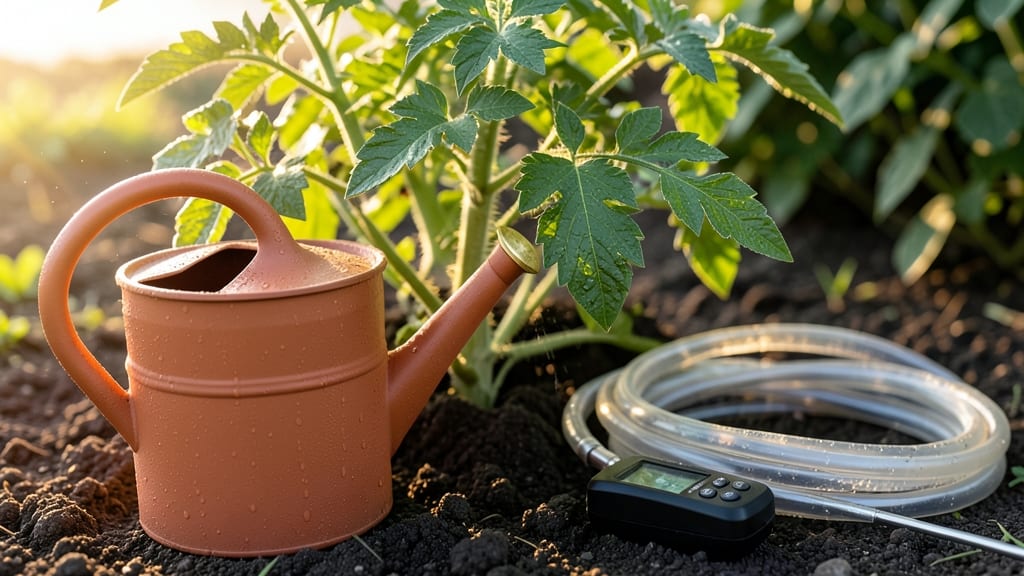
Should tomato plants be watered every day? Absolutely not—they’re not thirsty divas that need daily sips. Deep, infrequent watering—1-2 times per week—builds stronger roots that reach for moisture, while daily shallow watering keeps them dependent and stressed. My first garden failed because I followed "water when dry" advice without understanding tomato roots need depth, not surface sips.
Watch for yellowing lower leaves (overwatering) or wilting midday (underwatering)—both signal you're missing the mark. Mulch with straw to lock in moisture, and water early morning so leaves dry by evening. Drip irrigation beats hose blasts because it delivers water slowly at the roots where it matters most.
You’ll know you’ve got it right when your plants stay deep green, not glossy, and fruit stays firm without cracks. The vines grow sturdy, not leggy, and you’ll harvest tomatoes that taste like summer instead of bland, waterlogged disappointments.
For more tips—like how to adjust for heatwaves or clay soil—see our Tomato Care Guide. The key is consistency: once you train your plants to drink deep, they’ll reward you with heavy, flavorful harvests all season long.
Root Stress From Overwatering
Tomato plants often face watering-related stress not because they’re underwatered, but because they’re overwatered—or watered at the wrong times. The misconception that daily watering is essential stems from a lack of understanding about how tomato roots function.
Let’s break down the science behind why excessive or inconsistent watering throws these plants off balance.
Tomatoes thrive in well-draining soil, but if your garden beds or containers lack proper drainage, water pools around the roots instead of seeping away. This creates two major issues:
- Oxygen deprivation: Roots need oxygen to absorb nutrients efficiently. When soil stays soggy, oxygen levels drop, suffocating the roots and leading to root rot (a fungal infection that kills root tissue).
- Nutrient lockout: Excess water dilutes essential nutrients like nitrogen and potassium, making them unavailable to the plant. Even if you’re watering daily, the plant can’t access what it needs.
Actionable fix: Test your soil’s drainage by digging a 6-inch hole, filling it with water, and timing how long it takes to drain. If it takes more than 4 hours, amend the soil with perlite, sand, or compost to improve aeration.
Tomatoes have a deep taproot system that can extend 3–4 feet into the soil. When you water shallowly or daily, the roots don’t grow deep enough to seek stable moisture. This leads to:
- Shallow root development: Frequent surface watering encourages roots to stay near the top, where they’re more susceptible to drying out quickly. Deep roots, however, store water and nutrients like a natural reservoir.
- Fluctuating water pressure: Alternating between dry and overly wet soil causes osmotic stress, where cells struggle to maintain proper water balance. This weakens the plant’s immune system, making it vulnerable to pests and diseases.
Actionable fix: Water deeply 1–2 times per week (depending on climate) to encourage roots to grow downward. Use a soaker hose or drip irrigation to deliver water slowly at the base, avoiding wetting the leaves (which promotes fungal diseases).
Watering tomatoes at the wrong time—like in the midday sun or late evening—can create extreme temperature fluctuations around the roots, disrupting their function:
- Midday watering: Causes rapid evaporation, cooling the soil surface but leaving deeper roots parched. This creates a thermal shock effect, where roots struggle to regulate temperature.
- Evening watering: Traps moisture on leaves, promoting blossom end rot (a calcium deficiency triggered by uneven water absorption) and fungal growth like early blight.
Actionable fix: Water early in the morning (6–8 AM) when temperatures are cooler and evaporation is minimal. This gives roots time to absorb moisture without stress.
Healthy tomato roots rely on beneficial microbes (like mycorrhizal fungi) to help absorb nutrients. But when soil stays too wet:
- Harmful microbes thrive: Fungi like Phytophthora and bacteria such as Pseudomonas multiply in waterlogged conditions, outcompeting beneficial microbes and causing root infections.
- Nutrient competition: Pathogens release toxins that block the plant’s ability to uptake water and nutrients, even if the soil appears moist.
Actionable fix: Add compost or worm castings to boost beneficial microbial activity. Avoid compacted soil, as it reduces oxygen flow to roots. If you notice yellowing leaves or mushy stems, reduce watering immediately and improve drainage.
Key takeaway: Tomatoes don’t need daily watering—they need consistent, deep hydration that mimics natural rainfall patterns. Overwatering disrupts their root systems, leading to weak growth, disease susceptibility, and poor fruit production. The goal is to keep soil moist but not soggy, encouraging roots to explore deeply for stability.
Fixing Watering Woes for Healthy Tomatoes
Overwatering or underwatering tomato plants can turn your garden dreams into a soggy or wilted disaster. But don’t worry—with the right adjustments, you can restore balance and help your vines thrive.
Below, we’ll tackle common watering problems with practical fixes, prevention tips, and easy-to-follow strategies to keep your tomatoes happy without drowning them daily.
If your tomato plants look yellowing, wilting, or have black, mushy stems, overwatering is likely the culprit. Too much moisture suffocates roots, inviting fungal diseases like Phytophthora or Fusarium wilt. Here’s how to fix it:
🔥 Step 1: Pause and Assess
- Stop watering immediately for 2–3 days to let excess moisture evaporate.
- Gently dig around the base (1–2 inches deep) to check soil dampness. If it’s squishy or smells sour, you’ve got a problem.
🍳 Step 2: Improve Drainage
- Amend the soil with:
- Compost or aged manure (10% of the soil mix) to boost aeration.
- Perlite or coarse sand (1 part to 3 parts soil) to break up clay-heavy dirt.
- If planting in containers, ensure pots have drainage holes and use a well-draining potting mix (avoid garden soil).
👨🍳 Step 3: Adjust Watering Habits
- Water deeply but infrequently: Aim for 1–1.5 inches per week (including rain), delivered in one long session (e.g., 30–60 minutes) rather than daily sprinkles.
- Use the "finger test": Stick your finger 1–2 inches into the soil.
Water only when it’s dry to the touch.
🌱 Prevention Tips
- Mulch like a pro: Apply 2–3 inches of straw or wood chips around plants to retain moisture without smothering roots.
- Water in the morning: This reduces evaporation and gives foliage time to dry, preventing fungal growth.
- Avoid overhead watering: Use a soaker hose or drip irrigation to deliver water at the base.
If your tomato leaves are crispy, curled, or falling off, or the soil feels bone-dry just below the surface, your plants are begging for hydration. Here’s how to revive them:
🔥 Step 1: Hydrate Deeply
- Give your plants a slow, deep drink using a watering can or hose. Focus on the root zone (not the leaves).
- For container-grown tomatoes, soak the pot until water runs out the drainage holes.
🥘 Step 2: Check for Stress Signs
- Wilting during the day? Water immediately, then monitor closely.
- Yellowing lower leaves? This could signal underwatering or overwatering—dig deeper (literally) to check soil moisture.
⏰ Step 3: Create a Watering Schedule
- Morning watering is best: Early hours reduce evaporation and give roots time to absorb moisture before the heat of the day.
- Group plants together: This helps create a microclimate that retains moisture longer.
- Use a moisture meter: For high-stakes gardeners, these tools take the guesswork out of soil hydration.
💡 Prevention Tips
- Group tomatoes with thirsty companions: Plant them near basil, marigolds, or onions, which have similar water needs.
- Self-watering systems: Consider wicking beds or drip irrigation on a timer for consistent moisture.
- Avoid shallow watering: A light sprinkle encourages shallow roots.
Instead, water until the soil is moist 6+ inches down.
Tomatoes hate moisture rollercoasters. If you’ve been watering sporadically (e.g., daily in summer but skipping in fall), your plants may show signs of blossom end rot (black, sunken spots on fruit) or cracked tomatoes. Stabilize their environment with these fixes:
🎯 Step 1: Mulch for Moisture Control
- Apply a thick layer of mulch (straw, grass clippings, or shredded leaves) to lock in moisture and regulate soil temperature.
- Keep mulch 2–3 inches away from the stem to prevent rot.
🔄 Step 2: Calibrate Your Routine
- Stick to a schedule: Aim for consistent deep waterings (e.g., every 2–3 days in hot weather, weekly in cooler months).
- Adjust for weather: Increase watering during heatwaves or droughts; reduce it after heavy rain.
✨ Step 3: Boost Soil Health
- Add calcium-rich amendments: Blossom end rot is often linked to calcium deficiency.
Mix in crushed eggshells, oyster shell, or gypsum at planting time. - Use a balanced fertilizer: A 10-10-10 or 5-5-5 formula ensures steady nutrient uptake, helping tomatoes recover faster.
🌱 Prevention Tips
- Monitor weather forecasts: Plan watering around rain predictions to avoid over- or under-doing it.
- Use drip irrigation: This delivers water slowly and directly to roots, reducing waste and stress.
- Train vines properly: Prune suckers and stake or cage tomatoes to improve air circulation and even water distribution.
With these fixes, your tomato plants will bounce back from watering mishaps and grow stronger. Remember: deep roots need deep water, not daily drenching. Once you’ve adjusted your routine, your vines will reward you with juicy, flavorful tomatoes all season long!
Frequently asked questions
Why do tomato plants need less water than I expected?
Tomatoes have deep taproots that can reach 3-4 feet into the soil, so they store water efficiently. Daily shallow watering keeps roots near the surface, where they dry out quickly. Deep, infrequent watering (1-2 times per week) encourages roots to grow downward, creating a more resilient plant that handles drought better.
How do I know if my tomato plants are getting too much water?
Watch for yellowing lower leaves, mushy stems, or leaf drop—these are classic overwatering signs. Soil should feel moist but not soggy 2 inches down. If it smells sour or feels squishy, you're overdoing it. Let the soil dry slightly between waterings to prevent root rot.
Can I use a watering schedule instead of checking soil moisture?
Yes, but adjust for your climate! In hot, dry weather, water every 2-3 days in the morning. In cooler weather, once a week may suffice. Always water deeply (1-1.5 inches) rather than lightly. For containers, check soil moisture daily since they dry out faster than in-ground plants.
Will mulch really help reduce how often I need to water?
A 2-3 inch layer of straw or wood chips retains moisture, reduces evaporation, and keeps soil temps stable. This can cut your watering frequency by 30-50%. Just keep mulch 2 inches away from stems to prevent rot. It's one of the easiest ways to simplify tomato care.
What's the best time of day to water tomato plants?
Water early in the morning (6-8 AM) when evaporation is lowest. This gives roots time to absorb moisture before the heat of the day. Avoid evening watering—wet leaves overnight can lead to fungal diseases like early blight. If you must water in the evening, use drip irrigation to keep foliage dry.