
Companion Plants
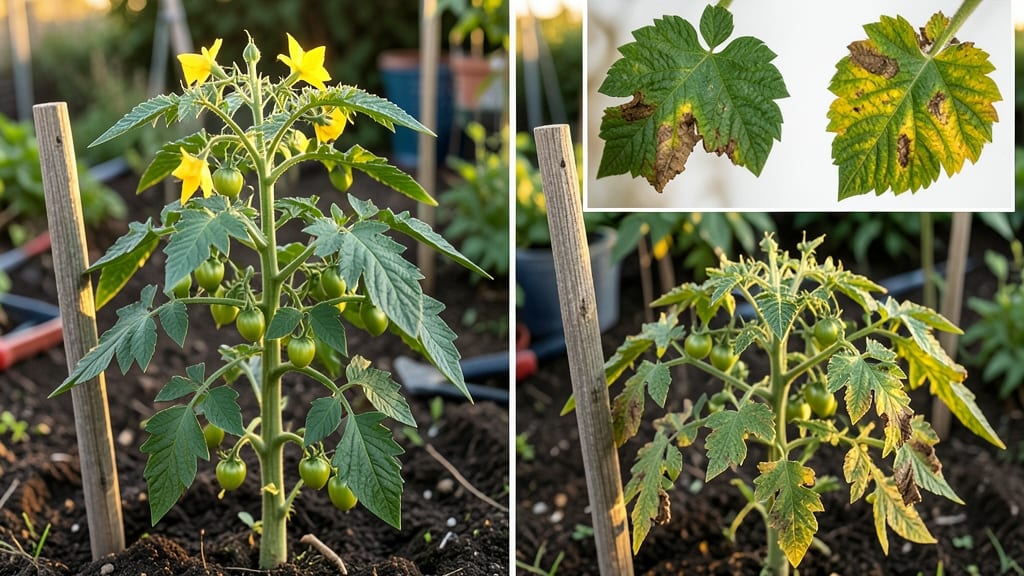
Your tomato plants looking like they got hit with the 2,4-D damage?
That’s classic herbicide drift—and the good news is recovery is possible with the right moves. 🌱 I’ve nursed back more than my share of crispy-edged leaves, and the key is acting fast before the plant gives up completely.
The culprit is usually herbicide drift or accidental overspray, which messes with your tomatoes’ growth hormones. You’ll spot it in curled leaves, stunted vines, or leaves that look like they’ve been singed at the edges.
The damage starts at the tips and works inward, so pruning early can save the whole plant.
Start by snipping off the worst-affected leaves and flushing the soil with water to dilute any lingering herbicide. Switch to organic weed control—mulch, vinegar sprays, or hand-pulling—until new growth appears. Within 2-3 weeks, you’ll see fresh, healthy leaves pushing out if the roots are still strong.
Prevention is easier: always spray herbicides on calm days, avoid treating near your tomatoes, and stick to organic options in vegetable gardens. With these tricks, your plants bounce back—and you’ll be back to harvesting juicy tomatoes in no time.
Root Causes of Tomato Leaf Distress
Understanding why your tomato plants develop 2,4-D damage (or similar herbicide-related symptoms) starts with identifying the real culprits behind the chemical’s unintended effects. This synthetic auxin herbicide mimics natural plant hormones, leading to distorted growth when misapplied.
Below, we break down the key triggers—so you can prevent future mishaps and protect your harvest.
---
When 2,4-D (or similar broadleaf herbicides like dicamba or MCPP) is overused or blown by wind, it lands on tomato plants, triggering a hormonal overdrive.
Tomatoes are highly sensitive to synthetic auxins because these chemicals bind to their growth receptors, causing: - Excessive cell elongation → Leaves curl, twist, or develop crispy, brittle edges. - Stunted root growth → Weakened nutrient uptake, leading to yellowing (chlorosis). - Abnormal branching → "Witches’ broom" effect (dense clusters of small leaves).
Why it happens: - Wind drift: Even tiny residues (0.01–0.1 ppm) can harm tomatoes. Strong winds during spraying can carry droplets hundreds of feet. - Incorrect dilution: Using more concentrate than recommended forces plants to absorb toxic levels. - Off-target spraying: Mistaking tomato foliage for weeds (especially in mixed gardens).
Pro tip: 💡 Always spray in calm conditions (wind <5 mph) and avoid late afternoon applications when evaporation slows down.
---
If 2,4-D was previously applied to the same soil (even years ago), residual effects can linger, especially in: - Clay or organic-rich soils (which bind chemicals longer). - Low-rainfall areas (where breakdown is slower).
Tomatoes absorb leftover herbicide through their roots, leading to: - Stunted growth (shortened internodes). - Leaf cupping or puckering (from disrupted hormone balance). - Reduced fruit set (flowers drop prematurely).
Why it happens: - Herbicide persistence: 2,4-D can remain active for months to years depending on soil type and moisture. - Compost or mulch contamination: If old grass clippings (treated with 2,4-D) were composted, the chemical may still be present. - Neighbor’s lawn treatments: Runoff from adjacent properties can seep into garden beds.
Action step: Test soil with a home herbicide test kit before planting tomatoes in previously treated areas.
---
Even cleaned but previously contaminated tools, wheelbarrows, or watering cans can transfer 2,4-D residues to tomato plants.
Symptoms appear gradually (1–3 weeks post-exposure) and include: - Asymmetrical leaf damage (one side of the plant affected more). - Dark green, glossy leaves (from unregulated cell growth). - Premature leaf drop (as the plant "shuts down" damaged areas).
Why it happens: - Incomplete rinsing: A single drop of concentrated 2,4-D on a leaf can cause localized damage. - Shared equipment: Using the same sprayer for weeds and vegetables without thorough cleaning. - Water contamination: Reusing water from a previously treated spray tank for irrigation.
Fix it: ⚡ Triple-rinse all tools with soapy water and vinegar solution (1:1 ratio) before using them near tomatoes.
--- Tomatoes under heat, drought, or poor nutrition are more vulnerable to 2,4-D damage because: - Stressed plants have weakened cell walls, making them more permeable to herbicides. - High temperatures (above 85°F) increase transpiration, pulling chemicals deeper into tissues. - Nitrogen deficiency reduces the plant’s ability to metabolize and detoxify synthetic hormones.
Symptoms worsen when: - Plants are already struggling with pests (e.g., aphids spreading viral diseases). - Soil pH is extreme (below 5.5 or above 7.5), slowing herbicide breakdown.
Solution: 🌱 Boost plant resilience with: - Mulching to retain moisture. - Balanced fertilizer (10-10-10 NPK ratio). - Shade cloth during peak heat (12–4 PM).
Quick Fixes for Damaged Tomato Plants
---
If your tomato plants are showing signs of 2,4-D herbicide damage, don’t panic—there are practical ways to help them recover and prevent further harm. The key is acting fast, identifying the cause, and applying targeted solutions.
Below, we’ll break down the most effective fixes based on the root of the problem, along with easy-to-follow prevention tips to keep your garden thriving.
---
If your tomatoes were exposed to too much 2,4-D (either from accidental overuse or wind drift), the herbicide can disrupt their growth hormones, leading to stunted leaves, curled edges, or even death. Here’s how to help them bounce back:
- 💦 Flush the Soil: Water the affected plants deeply (at least 1–2 inches of water) to dilute and leach out residual herbicide. Repeat every 2–3 days for a week to minimize absorption.
- 🌿 Prune Damaged Foliage: Trim severely affected leaves with clean scissors to redirect the plant’s energy toward new, healthy growth. Avoid cutting more than 30% of the foliage at once.
- 🍄 Boost Microbial Activity: Add compost tea or a beneficial bacteria mix (like Bacillus subtilis) to the soil. These microbes help break down toxins and improve root health.
- 🌞 Provide Shade and Support: Move plants to a shadier spot temporarily (if possible) to reduce stress. Use stakes or cages to support weak stems while they recover.
💡 Pro Tip: Avoid using mulch near the base of the plant until new growth appears—this prevents further herbicide absorption from contaminated soil.
---
If nearby weeds or lawns were treated with 2,4-D and your tomatoes absorbed the chemical through root uptake or foliar contact, focus on detoxification and nutrient replenishment:
Action
How to Do It
🌿 Foliar Rinse
Spray the leaves with a mix of 1 tsp mild dish soap + 1 quart water to remove residual herbicide. Rinse thoroughly after 10 minutes.
💧 Chelated Nutrients
Feed the plants with a chelated iron or magnesium supplement (like Epsom salt solution: 1 tbsp per gallon of water) to counteract hormone disruption.
🌱 Transplant if Necessary
If the soil is heavily contaminated, carefully transplant the tomato to a new, untreated area with fresh, herbicide-free soil.
✨ Prevention Tip: Always check wind direction before applying herbicides near your garden. A buffer of 10–15 feet between treated lawns and vegetable beds is ideal.
---
Once your tomatoes recover, take steps to prevent future damage. Here’s how to safeguard your garden:
- 🌿 Use Physical Barriers: Install windbreaks (like tall grass or mesh screens) between lawns and garden beds to block herbicide drift.
- 🌱 Choose Resistant Varieties: Some tomato varieties (like ‘Solar Fire’ or ‘Mountain Merit’) are more resilient to stress. Opt for disease- and herbicide-tolerant strains if possible.
- 📅 Rotate Planting Areas: Avoid planting tomatoes in the same spot year after year, especially if herbicides were used nearby. Rotate crops to reduce soil contamination.
- 🔍 Test Soil Regularly: Use a home soil test kit to monitor for herbicide residues before planting. If levels are high, amend the soil with organic matter to bind toxins.
🎯 Golden Rule: When in doubt, spot-treat weeds with vinegar or manual removal instead of broad-spectrum herbicides. Your tomatoes (and your health!) will thank you.
---
With these targeted fixes, your tomato plants should show signs of recovery within 2–4 weeks. Stay vigilant, and your garden will be back to producing crisp, juicy tomatoes in no time! 🍅🌿
Frequently asked questions
How quickly will my tomato plants recover from 2,4-D damage?
Recovery time depends on how severe the damage is, but most tomato plants show signs of improvement within 2-4 weeks with proper care. Focus on pruning damaged leaves, flushing the soil, and providing shade. If the roots are still healthy, new growth should appear within 10-14 days.
Can I still harvest tomatoes from plants that were exposed to 2,4-D?
Yes, but only from undamaged parts of the plant. The herbicide primarily affects leaves and growth hormones, not the fruit itself. Harvest any existing tomatoes carefully, and avoid eating leaves or stems. For future crops, wait until new growth appears before harvesting.
Will compost help remove 2,4-D from contaminated soil?
Compost can help bind and break down some herbicide residues over time, but it won’t eliminate 2,4-D immediately. For faster results, mix in sand or organic matter to dilute the soil, then plant tomatoes in fresh, untreated beds. Test your soil first with a home kit.
How can I prevent future herbicide drift on my tomato plants?
Use these 3 key strategies: 1) Apply herbicides only on calm days (wind <5 mph), 2) Create a 10-foot buffer between treated lawns and garden beds, and 3) Use physical barriers like tall grass or mesh screens. Always check wind direction before spraying!
Are there organic alternatives to 2,4-D for weed control?
Try vinegar-based sprays (3% acetic acid + dish soap), corn gluten meal (pre-emergent), or manual removal. For established weeds, smother them with cardboard or thick mulch. These methods are safer for your tomato plants and the environment.