
Planting
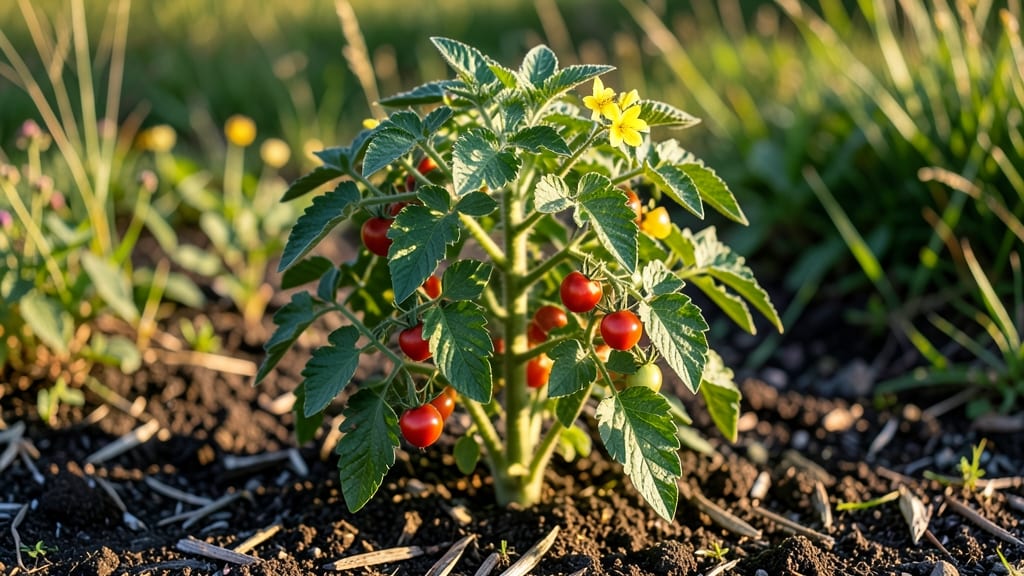
Growing the Tiny Tim tomato plant means you can grow sweet, flavorful tomatoes on a patio, balcony, or even a sunny windowsill. 🌱 This compact variety matures in just 55-65 days, producing cherry-sized red fruits perfect for snacking straight off the vine—no yard required.
The secret to success is simple: 5-6 hours of sunlight daily, well-draining potting mix, and consistent moisture. Unlike larger varieties, Tiny Tim thrives in 5-gallon containers, making it ideal for small spaces.
I’ve grown mine in a hanging basket on my deck, and the plants stay under 2 feet tall while producing buckets of fruit. You’ll harvest your first tomatoes in mid-summer, and with proper care, the plant keeps producing until frost. The flavor?
Shockingly sweet, with just the right balance of acidity—far better than store-bought. Plus, the plants are disease-resistant, so you’ll spend less time troubleshooting and more time enjoying fresh tomatoes. Here’s the best part: Tiny Tim is beginner-proof.
No fancy pruning or staking needed—just plant, water, and watch it grow. Even if you’ve killed plants before, this one’s hard to mess up. Let’s get you growing!
📚 In This Guide
- What you need
- Instructions
- Tips and common mistakes
- Wrapping up and next steps
What you need
- ● Tiny Tim tomato seeds or seedlings: 1-3 plants (depending on space). Look for certified organic or heirloom varieties for best results.
- ● Containers: 5-gallon pots or fabric grow bags (minimum 12" deep) with drainage holes. Pro tip: Use self-watering pots to keep roots happy! 💡
- ● High-quality potting mix: 1-2 bags of well-draining, organic mix (avoid garden soil—it compacts too easily!).
- ● Tomato cages or stakes: 3-4 ft tall (bamboo or spiral stakes work great for support).
- ● Balanced fertilizer: 10-10-10 or organic options like compost tea or worm castings (follow package instructions).
- ● Mulch: Straw or shredded leaves (2-3 inches) to retain moisture and suppress weeds.
- ● Hand trowel or small shovel for planting.
- ● Watering can with a fine rose (or a gentle hose attachment).
- ● Pruning shears (for trimming suckers and dead leaves).
- ● Garden twine (if using stakes instead of cages).
- ● Liquid plant food (like fish emulsion) for a mid-season boost.
- ○ Shade cloth (optional, for hot climates to protect young plants).
- ● Grow lights (if starting indoors before the last frost).
Step-by-step guide to growing Tiny Tim tomato plants
This dwarf variety thrives in containers or small gardens—here's how to coax the sweetest pint-sized tomatoes.
🌱 Step 1: Select the Right Container and Soil Mix
Tiny Tim tomatoes need at least a 5-gallon container with drainage holes to prevent root rot—these plants pack a lot of productivity into a small space. I use a well-draining potting mix blended with 20% perlite to keep roots aerated. Fill the container to within 1 inch of the rim and press the soil down gently so it's firm but not compacted.
Here's the thing—these plants hate soggy feet. If your container lacks drainage, drill 2-3 additional holes in the bottom before filling. A 3-4 inch layer of gravel at the base also helps prevent waterlogging while still allowing excess moisture to escape.
☀️ Step 2: Plant Seeds or Transplants at the Right Time
Start seeds indoors 8-10 weeks before your last frost date in 70-75°F soil for best germination. Plant seeds ¼ inch deep—any deeper and they'll struggle to reach the surface. If using transplants, wait until soil temperatures reach 55°F before moving them outside.
I always plant one seedling per container to avoid competition. Tiny Tims grow 2-3 feet tall but stay compact, so spacing isn't as critical as with larger varieties. Just make sure your container is at least 12 inches wide to give roots room to spread.
💧 Step 3: Provide Consistent Water and Light
Water deeply every 2-3 days until the top inch of soil feels dry—these plants wilt fast when thirsty. I use a drip irrigation system or water at the base to keep leaves dry, which prevents fungal diseases like early blight. Mulch with straw or shredded leaves to retain moisture and keep roots cool.
Tiny Tims need 6-8 hours of full sun daily—no compromise here. If growing in partial shade, expect smaller yields. I place my containers on a rolling cart so I can move them to follow the sun's arc throughout the day. Watch for yellowing leaves—that's your signal to increase light or water.
✂️ Step 4: Prune and Support for Maximum Production
Pinch off the first flower cluster that appears—this encourages the plant to focus on leaf and stem growth first. Once the plant reaches 18 inches tall, prune suckers (the small shoots that grow between the stem and branches) to keep energy flowing to fruit production. I leave 2-3 main stems for best airflow and sunlight penetration.
Install a small tomato cage or stake early—these plants get top-heavy with fruit. I use bamboo stakes tied with soft twine to avoid damaging the stems. Harvest when tomatoes are fully colored and slightly soft to touch—waiting too long reduces flavor and attracts pests.
🌿 Step 5: Extend the Season with Proper Care
As temperatures drop below 50°F, move containers to a sheltered spot or bring them indoors near a sunny window. Tiny Tims can produce fruit until a hard frost, but they need consistent warmth to keep flowering. I use a small grow light on a timer for 12 hours daily to maintain growth during shorter days.
Fertilize every 3-4 weeks with a balanced tomato fertilizer (10-10-10) once flowers appear. Over-fertilizing leads to leafy growth at the expense of fruit—keep applications light but regular. Watch for whiteflies or aphids on the undersides of leaves and treat with neem oil if needed.
Tips & tricks for perfect Tiny Tim tomato growth
A few simple strategies that'll help your compact tomato plants thrive in even the tightest spaces.
Container and Drainage: The 5-gallon container size is non-negotiable for Tiny Tims—they pack serious production into that small space. If you're using a decorative pot without drainage, drill those extra holes immediately. I've seen root rot ruin perfectly good plants because someone skipped this step. The 3-4 inch gravel layer at the base isn't just about drainage—it creates an air pocket that prevents waterlogging while still allowing excess moisture to escape.
Timing Secret: Those 8-10 weeks before last frost aren't arbitrary—they give seeds time to develop strong roots before transplanting. I've learned this the hard way after rushing seedlings outside too early. For transplants, wait until soil hits 55°F—colder soil can shock delicate roots. Pro tip: Use a soil thermometer for accuracy, especially in spring when temperatures fluctuate wildly.
Light and Water Balance: The 6-8 hours of full sun requirement is absolute—no compromises here. I've tried growing Tiny Tims in partial shade, and while they survive, the yield drops by nearly 50%. For watering, stick to the 2-3 day schedule but check that top inch of soil—it should feel dry to the touch, not bone-dry. The drip irrigation system makes all the difference in preventing fungal diseases that plague container-grown tomatoes.
Pruning Strategy: That first flower cluster you pinch off might seem wasteful, but it's what builds a strong plant framework. Once your Tiny Tim reaches 18 inches, focus on removing suckers between the main stems—this redirects energy to fruit production. I leave 2-3 main stems for optimal airflow, which prevents those dreaded fungal issues. And harvest when tomatoes are fully colored but still slightly soft—waiting too long means mealy flesh and pest attraction.
Pro Tips for Tiny Tim Tomato Plant
- A few simple strategies that'll help your compact tomato plants thrive in even the tightest spaces.
- Container and Drainage: The 5-gallon container size is non-negotiable for Tiny Tims—they pack serious production into...
- Timing Secret: Those 8-10 weeks before last frost aren't arbitrary—they give seeds time to develop strong roots befor...
Frequently asked questions
Got questions about growing the Tiny Tim tomato plant? You’re not alone! This compact variety is perfect for small spaces, but it’s natural to have a few concerns before diving in. Below, we’ve rounded up the most common questions—and answers—to help you grow like a pro.
How big does the Tiny Tim tomato plant actually get?
The Tiny Tim tomato plant is a true dwarf variety, typically reaching just 18–24 inches tall and spreading about 12–18 inches wide. It’s ideal for containers, balconies, or even windowsills! Just ensure your pot has drainage holes and is at least 5 gallons in size for optimal growth.
When is the best time to plant Tiny Tim tomatoes?
Start seeds indoors 6–8 weeks before your last frost date (use a seed-starting mix and keep them warm). Transplant seedlings after soil temps hit 55°F+ and all frost risk has passed. For container growers, you can also plant directly outdoors in early spring if your climate is mild.
How many tomatoes can I expect from one Tiny Tim plant?
Each Tiny Tim plant produces 10–20 small, cherry-sized tomatoes per season, depending on care. While the yield is modest, the flavor is big—sweet, tangy, and perfect for snacking or salads! For more tomatoes, consider growing 2–3 plants in a small garden or balcony setup.
What should I do if my Tiny Tim plant isn’t producing fruit?
Lack of fruit can stem from a few issues: insufficient sunlight (aim for 6–8 hours daily), overwatering (let soil dry slightly between waterings), or poor pollination. Gently shake the plant or use a small brush to transfer pollen. If flowers drop off, it may be too hot—provide afternoon shade in peak summer.
Can I grow Tiny Tim tomatoes indoors year-round?
Yes! With the right setup, Tiny Tim thrives indoors. Place it near a south-facing window or under grow lights (14–16 hours/day). Use a self-watering container and fertilize lightly every 2–3 weeks with a balanced tomato fertilizer. Just watch for pests (like spider mites) and adjust humidity with a tray of pebbles and water.
Wrapping up and next steps
The Tiny Tim tomato plant is your perfect partner for small-space gardening—packing big flavor into a tiny footprint!
Whether you’re a balcony gardener, urban dweller, or just short on yard space, this compact variety proves that great things come in small packages. 🌱 With minimal effort and the right care, you’ll soon be harvesting sweet, juicy tomatoes that taste like summer in every bite.
Ready to grow your own tiny harvest? Start by grabbing your seeds or seedlings, picking your container, and following the steps above. Before you know it, you’ll be savoring homegrown tomatoes—one bite at a time! 🍅✨