
Companion Plants
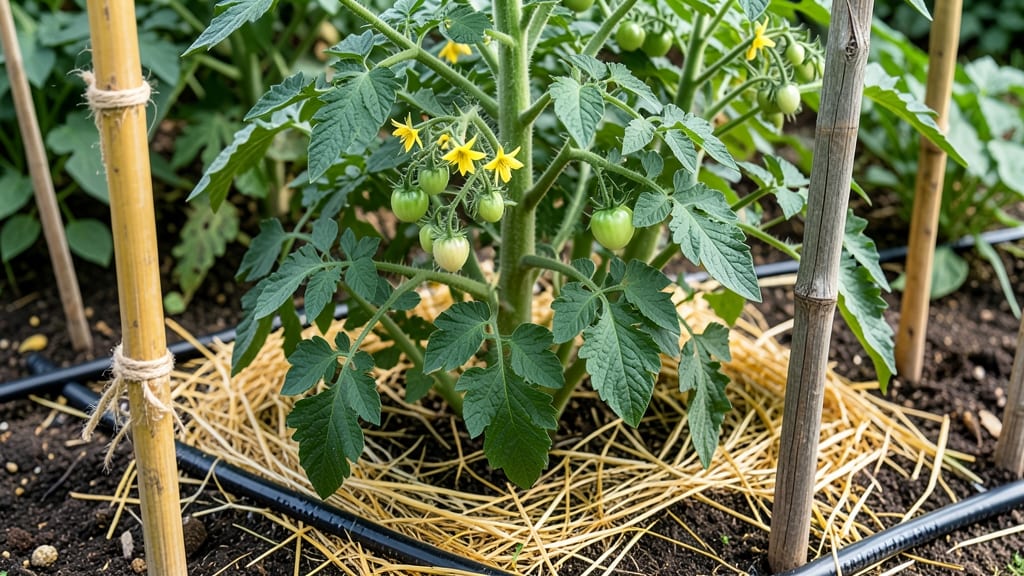
Growing Big Boy tomato plants means harvesting beefsteak-sized tomatoes that weigh over a pound each—if you give them the right conditions. 🌞 These heat-loving giants can stretch 12 feet tall, but most gardeners stop pruning them at 6-8 feet for easier harvests.
The secret to their massive fruit isn’t just space—it’s consistent warmth, rich soil, and a cage that won’t snap under their weight.
Start with full sun (6+ hours daily) and well-draining soil mixed with compost. Plant after your last frost when soil hits 60°F, using a sturdy 6-foot cage or trellis to support their sprawling vines.
Water deeply twice a week (more in heatwaves), keeping soil moist but never soggy—Big Boys hate wet feet. A balanced fertilizer every 2-3 weeks fuels those monster fruits, but cut back after flowering to prevent cracking.
Prune aggressively to focus energy on fruit production: remove suckers (those little shoots in leaf axils) and trim lower leaves to improve airflow. The payoff? 10-20 pounds of tomatoes per plant—enough to feed a family for weeks.
Even in 90°F heat, these plants keep producing if shaded with row covers during peak afternoon sun.
Watch for blossom end rot (calcium deficiency) and cracking (uneven watering). Fix rot by spraying calcium chloride or side-dressing with crushed eggshells. For cracking, mulch heavily to stabilize soil moisture. With these tweaks, you’ll turn your garden into a tomato factory—no greenhouses or black thumbs required.
📚 In This Guide
- What you need
- Instructions
- Tips and common mistakes
- Wrapping up and next steps
What you need
- ● Big Boy tomato seeds or seedlings: Choose heat-tolerant varieties (e.g., 'Big Beef' or 'Celebrity'). Start with 2–4 plants if space is limited, or 6+ plants for a full harvest.
- ● Large containers or garden space: Containers: 5-gallon buckets or whirlpool barrels (minimum 18–24 inches deep and 18 inches wide per plant). Use 2–3 containers per plant for sprawling vines.
- ● In-ground: Allocate 3–4 feet of space per plant in rows 4–5 feet apart for airflow.
- ● High-quality potting mix: A sterilized, well-draining blend (e.g., 50% peat moss, 30% compost, 20% perlite) or store-bought tomato mix with added mycorrhizal fungi.
- ● Fertilizer: Balanced starter fertilizer: 10-10-10 or 5-5-5 (1 tbsp per plant at transplanting).
- ● Tomato-specific fertilizer: High in phosphorus/potassium (e.g., 3-4-6) for fruiting. Switch after flowering.
- ● Support system: Tall cages: 8–10-foot sturdy metal or wooden cages (or DIY with 2x4s and wire mesh).
- ● Trellis or stakes: 6–8-foot bamboo stakes or heavy-duty twine for training vines.
- ● Hand trowel (for transplanting).
- ● Pruning shears (sterilized with rubbing alcohol).
- ● Garden hose or watering can with soaker hose attachment (for deep watering).
- ● pH test kit (ideal soil pH: 6.2–6.8).
- ● Mulch: Straw or black plastic (3–4 inches thick) to retain moisture and suppress weeds.
- ● Drip irrigation system (automates watering for large plants).
- ● Shade cloth (30–50% coverage) for young seedlings in scorching climates.
- ● Compost tea or fish emulsion (boosts microbial activity in soil).
- ● Row covers (for early-season frost protection in cooler zones).
- ● Plant markers (to track varieties in a sprawling garden!).
Step-by-step guide to growing heat-resistant Big Boy tomato plants
Here's how to cultivate those towering, sun-loving giants that produce bushels of beefsteak tomatoes.
🌱 Step 1: Select and Prepare Your Seedlings
Start with certified disease-resistant Big Boy tomato seedlings from a reputable nursery. These plants thrive in heat but need a strong start. I always choose transplants that are 4-6 weeks old with 4-6 true leaves—younger plants struggle to establish in hot climates. Harden them off for 7-10 days before planting by gradually exposing them to outdoor conditions.
Here's the thing—Big Boy tomatoes are indeterminate, meaning they grow continuously until frost. This makes them perfect for trellising but demands extra care during hot spells. Before planting, trim any yellow or damaged leaves to reduce stress and improve root development. You'll see healthier stems and faster establishment.
☀️ Step 2: Plant in Full Sun with Proper Support
Choose a location that receives 8+ hours of direct sunlight daily. Big Boy tomatoes need this intensity to develop their massive fruit. I dig holes twice as wide as the root ball but only as deep as the container—planting too deep can cause stem rot. Mix the excavated soil with 2-3 inches of compost to improve fertility and drainage.
Install a sturdy trellis or cage immediately after planting—these plants can easily reach 10-12 feet tall. I use a 6-foot tall tomato tower with horizontal wires spaced 12 inches apart to support the weight of heavy fruit. Gently tie the main stem to the support with soft plant ties, being careful not to damage the stem. Watch for new suckers (side shoots) forming in the leaf axils—these will need pruning to direct energy to fruit production.
💧 Step 3: Water Deeply and Maintain Consistent Moisture
Big Boy tomatoes demand 1-2 inches of water weekly, but consistency is more important than quantity. I water deeply 2-3 times per week in hot climates, focusing on the root zone rather than overhead watering. This prevents fungal diseases and keeps the soil evenly moist. The key is to water when the top 2 inches of soil feel dry—stick your finger in the soil to check.
Mulch heavily with 3-4 inches of organic mulch (like straw or shredded leaves) to retain moisture and regulate soil temperature. This is especially critical during heatwaves—mulch prevents soil from overheating, which can stress the roots. You'll notice fewer blossom-end rot issues and more consistent fruit set when the soil stays cool and moist.
✂️ Step 4: Prune and Fertilize for Maximum Yield
Prune suckers (those little shoots in the leaf axils) regularly to focus the plant's energy on fruit production. I remove suckers larger than 2 inches to prevent them from becoming competitive with the main stem. Leave only the top 3-4 leaves on each branch to ensure the plant has enough foliage for photosynthesis while maintaining airflow.
Fertilize every 3-4 weeks with a balanced tomato fertilizer (10-10-10 or similar) to support the plant's massive growth. Big Boy tomatoes are heavy feeders, so I always side-dress with compost mid-season. Stop fertilizing 4-6 weeks before the first frost to allow the plant to harden off and ripen existing fruit. You'll see larger, more flavorful tomatoes when the plant isn't overstimulated late in the season.
🌿 Step 5: Protect and Harvest for Long-Term Success
Heat stress is the biggest threat to Big Boy tomatoes. If temperatures exceed 90°F for prolonged periods, provide afternoon shade with a lightweight row cover or shade cloth. This prevents blossom drop and ensures fruit set. I also mist the leaves lightly in extreme heat to help cool the plant—just avoid doing this in the evening to prevent fungal issues.
Harvest tomatoes when they're fully colored and slightly soft to the touch. Big Boy tomatoes can weigh 1 pound each**, so use a small pruning shears or your hands to avoid damaging the plant. Pick regularly to encourage more production—overripe tomatoes on the vine attract pests and can lead to disease. With proper care, you'll enjoy a continuous harvest from early summer until the first frost.
Tips & tricks for cultivating heat-resistant Big Boy tomatoes
These battle-tested strategies will help you coax those towering vines to produce bushels of beefsteak tomatoes even in scorching conditions.
Seedling Selection: Look for seedlings with thick, sturdy stems and deep green leaves—these are your best indicators of heat tolerance. Avoid plants with yellowing leaves or spots, as these show early stress. I've found that seedlings with 5-6 true leaves establish faster in hot climates than younger ones, giving them a head start against summer heat.
Support System: Don't skimp on trellis height—Big Boy tomatoes can easily exceed 10 feet when given proper support. I've learned the hard way that flimsy cages collapse under the weight of heavy fruit. Use a 6-foot tall tomato tower with 12-inch wire spacing to prevent breakage. The horizontal wires should be 1/4-inch thick to handle the weight without bending.
Heat Management: When temperatures hit 90°F or higher, provide afternoon shade using 30-50% shade cloth to prevent blossom drop. I also mist leaves lightly in the morning to help cool the plant, but always remove water droplets by midday to prevent fungal diseases. The key is balancing cooling with airflow—never let leaves stay wet overnight.
Pruning Strategy: Focus pruning efforts on removing suckers larger than 2 inches to maintain airflow and prevent disease. I leave the top 3-4 leaves on each branch to ensure sufficient photosynthesis while keeping the plant's energy directed toward fruit production. Regular pruning also makes it easier to spot early signs of pests or disease before they spread.
Pro Tips for Big Boy Tomato Plants
- These battle-tested strategies will help you coax those towering vines to produce bushels of beefsteak tomatoes even in scorching conditions.
- Seedling Selection: Look for seedlings with thick, sturdy stems and deep green leaves—these are your best indicators of heat tolerance.
- Support System: Don't skimp on trellis height—Big Boy tomatoes can easily exceed 10 feet when given proper support.
Frequently asked questions
Got questions about growing Big Boy tomato plants? You’re not alone—these heat-resistant giants require a little extra love to reach their full 12-foot potential! Here are answers to the most common queries to help you grow like a pro.
How do I protect Big Boy tomatoes from extreme heat?
Big Boys thrive in heat but can struggle if temps hit 90°F+. Use shade cloth (30-50%) during peak sun, mulch heavily to keep roots cool, and water deeply early in the morning. Avoid wetting leaves to prevent sun scald.
When should I prune Big Boy tomato plants for maximum yield?
Start pruning when plants are 12–18 inches tall, removing suckers (side shoots) to direct energy to fruit. For indeterminate Big Boys, prune weekly during the growing season, but stop after flowering if heat stress is a concern.
Can I grow Big Boy tomatoes in containers? What size pot do I need?
Yes! Big Boys need 5-gallon minimum (7+ gallons ideal) with drainage holes. Use a lightweight potting mix and stake or cage them early. Expect slightly smaller yields than in-ground, but containers work well in urban areas.
Why are my Big Boy tomato leaves turning yellow?
Yellow leaves often signal overwatering, nutrient deficiency (like nitrogen), or pests (like aphids). Check soil moisture, test pH (6.0–6.8 ideal), and inspect undersides of leaves. Feed with balanced fertilizer (10-10-10) if needed.
What’s the best companion plant for Big Boy tomatoes?
Pair Big Boys with basil (repels pests), marigolds (deters nematodes), or onions/garlic (improves flavor). Avoid planting near corn or fennel, which compete for nutrients.
Wrapping up and next steps
Growing Big Boy tomato plants is a rewarding journey that yields massive, flavorful harvests—even in tough conditions! 🌱 With the right soil, support, and care, these heat-resistant giants can thrive and produce 12-foot vines packed with juicy tomatoes.
Whether you're a seasoned gardener or a beginner, your efforts will pay off with a bounty that’s the talk of the neighborhood.
Now that you’re armed with the knowledge, roll up your sleeves and get planting! Start by selecting the perfect spot, prep your soil, and watch your Big Boy tomatoes grow into the stars. Happy gardening—your future harvest is waiting! 🍅✨