
Plants
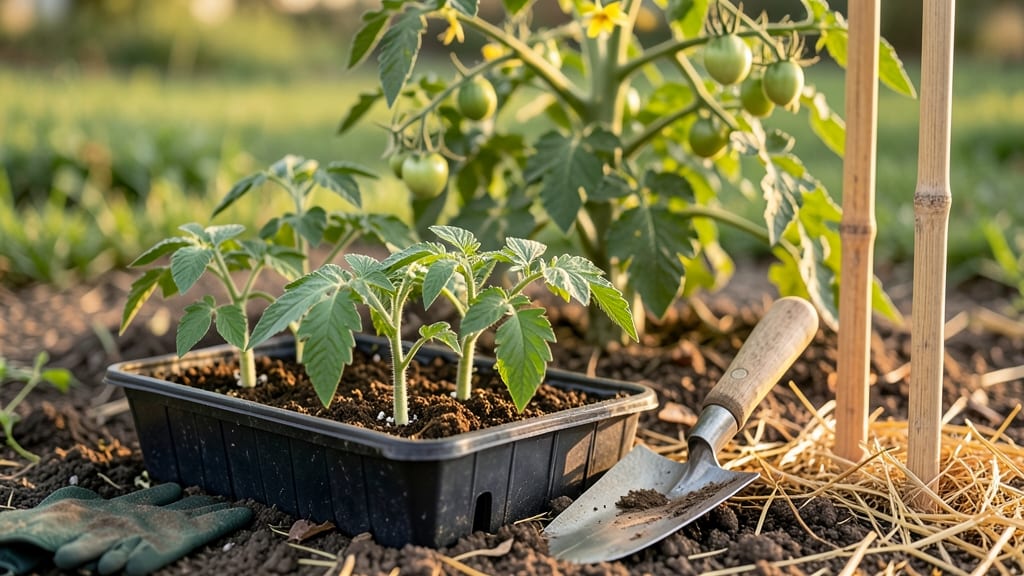
Planting tomato seeds in Tennessee requires precision—timing them right means the difference between a bountiful harvest and wasted effort.
Picture this: you’ve spent weeks nurturing your 🍅 seedlings, only to watch them wilt under a late frost or struggle in the heat before they’ve even set fruit.
Tennessee’s 6a-7b zones throw curveballs with unpredictable springs, and missing the window can leave you with six-foot vines and no tomatoes to show for it.
This guide breaks down the exact dates for starting seeds indoors and transplanting outdoors, tailored to your region’s frost risks and summer heat.
Whether you’re aiming for a June harvest or stretching the season into fall, we’ll cover how to adjust for Tennessee’s quirks—like soil warming tricks and staggered planting—to keep your plants thriving.
By the end, you’ll know not just when to plant, but how to maximize every growing day so your garden delivers the juiciest, most abundant tomatoes possible.
Tennessee planting zones & exact dates for tomato seed starting
Tennessee spans USDA hardiness zones 6a through 8a, creating distinct planting windows for tomatoes.
In cooler northern zones like 6a (East Tennessee), you’ll need to start seeds indoors 8-12 weeks before last frost—typically by mid-February—while warmer southern zones like 8a (Memphis area) can begin outdoor sowing as early as mid-March.
These differences ensure your seedlings mature before Tennessee’s sweltering summer heat stalls growth.
Tomatoes thrive in 60-85°F soil temperatures, so timing seed starts to align with soil warming is critical. In zone 7 (Middle Tennessee), aim for early March indoor starts and transplant outdoors by mid-April—just as daytime highs hit 70°F consistently.
Miss this window, and you risk blossom drop or stunted fruit development when summer’s 90°F+ days arrive.
Here’s your zone-by-zone breakdown for tomato seed starting, including exact dates for indoor starts, transplant windows, and key milestones to avoid common pitfalls like late frosts or heat stress.
For zone 6a gardeners, the 8-week indoor start window (by February 15) is non-negotiable—delaying risks seedling legginess from weak winter light. Use grow lights to supplement sunlight, and harden off seedlings for 7-10 days before transplanting after April 15.
In zone 8a, you can push the envelope by direct-sowing seeds as early as March 15, but cover seedlings with floating row covers to protect against 32°F nighttime dips.
Transplanting too early—even by a few days—can shock roots when soil temperatures dip below 55°F. Use a soil thermometer to confirm 60°F+ soil before setting plants out, especially in zone 7 where April nights can still flirt with freezing.
Pro tip: Water deeply the day before transplanting to reduce shock, and apply a mulch layer to retain heat and moisture.
Tennessee’s summer heat (often hitting 95°F+ by June) demands shade cloth for young plants until they’ve established roots. In zone 7b and 8a, consider succession planting: Start a second batch of seeds in late May for a fall harvest before the first frost (typically October 15–30).
This two-pronged approach maximizes your 180-210 frost-free days and ensures tomatoes don’t bolt too quickly in the heat.
Don’t overlook fall planting—it’s a game-changer for Tennessee gardeners. In zone 6a, sow seeds indoors by July 1 for transplanting in early August, aiming for harvests through October.
Warmer zones like 8a can direct-sow until mid-August, with black plastic mulch accelerating soil warming. Just remember: Reduce watering as days shorten to harden off plants before frost.
Local microclimates add another layer of complexity. Urban areas like Nashville often experience 5°F warmer nights than rural zones, while mountain regions may face late May frosts.
Check your local cooperative extension service for hyper-local frost data, and adjust your timeline by ±7 days if your yard sits in a sunny, sheltered spot or a shady valley. When in doubt, err on the side of earlier planting
How to adjust planting timing for Tennessee’s unpredictable spring weather
Tennessee’s spring weather can be as unpredictable as a tomato plant in a heatwave. One day it’s 60°F and sunny, the next it’s 32°F with frost warnings.
This volatility makes planting timing a high-stakes game for tomato growers. Without adjustments, you risk losing young seedlings or missing the harvest window entirely.
My strategy? Flexible planting that accounts for soil temperature, frost risk, and heatwaves. By using staggered schedules, soil warming, and frost protection, I’ve learned to turn Tennessee’s erratic spring into an advantage. The key is adapting rather than following a rigid calendar.
⚠️ Late Frost Alert
Tennessee’s last frost can hit as late as April 15 in Zone 6a or even May 1 in Zone 7b. If you plant tomatoes outdoors before May 10, use row covers or cloche tunnels to shield seedlings. For indoor starts, delay transplanting until soil reaches 60°F—test with a soil thermometer!
First, I warm the soil faster using black plastic mulch, which raises temperatures by 5-10°F in just days. This trick lets me plant 2-3 weeks earlier than the traditional May 15 deadline.
Pair it with staggered sowing: plant half your seeds indoors in early March and the rest outdoors in late April. This ensures a steady harvest even if one batch gets nipped by frost.
For frost protection, I rely on floating row covers or old bedsheets draped over tomato cages. These barriers trap heat during the day and insulate plants at night. If a hard freeze is forecasted, I move potted seedlings under grow lights or into a garage until temperatures rise.
This buy-you-time strategy has saved my tomato starts more times than I can count!
Don’t overlook heatwaves either—Tennessee summers can hit 90°F+ by June. To beat the heat, I plant heat-tolerant varieties like ‘Celebrity’ or ‘Solar Fire’ and use shade cloth during peak afternoon sun.
For container-grown tomatoes, I place pots in partial shade and water deeply twice daily to prevent blossom drop.
Finally, keep a planting journal to track your local microclimate. Note when your soil warms, when frost hits, and how your tomatoes respond. Over time, you’ll spot patterns—like my Zone 7b garden, where frost rarely arrives after April 20.
Adjust your schedule yearly based on these insights, and you’ll master Tennessee’s spring chaos like a pro. 🌱