
Pests
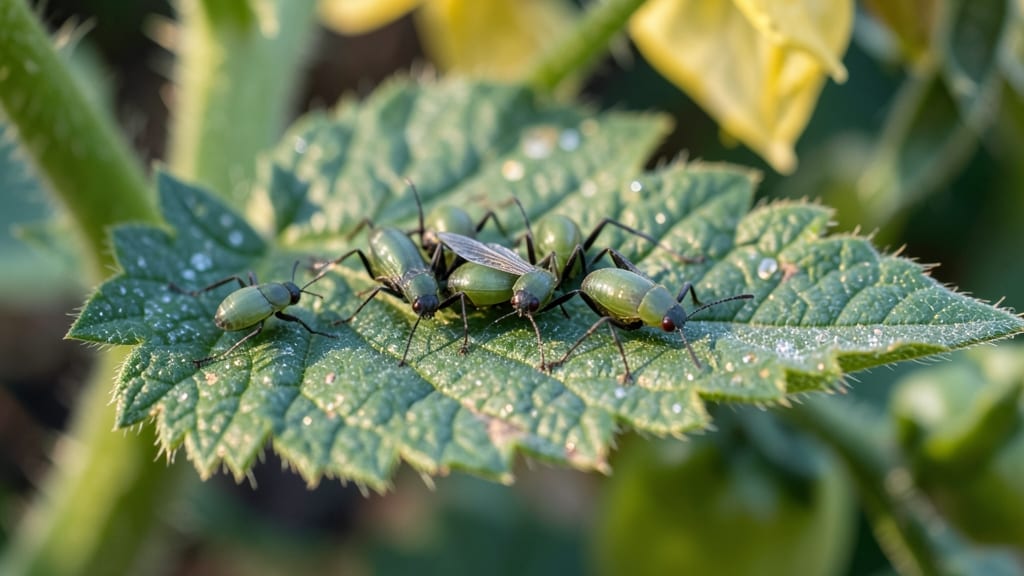
Bugs on tomato leaves mean your harvest is under siege—aphids, hornworms, and spider mites turn lush foliage into a buffet. 🌱 I've battled them all, and the key is acting fast before they skeletonize your plants. Most gardeners wait too long, but a quick inspection can save your tomatoes.
First, identify the culprit: aphids cluster on undersides, hornworms leave chewed leaves behind, and spider mites create fine webbing. Each needs a different approach—aphids respond to soapy water, hornworms to handpicking, and mites to neem oil. The sooner you act, the less damage they'll do.
By the end, you'll have a tomato plant that looks like it's thriving, not being stripped bare. Organic fixes work best, but knowing when to intervene makes all the difference. Let's get those pests under control before they ruin your season.
Works for backyard gardens, containers, and even greenhouse setups. Here's how to stop the damage in its tracks.
Root Causes Of Leaf Invaders
When tiny critters start feasting on your tomato leaves, it’s rarely just bad luck—there’s usually a specific reason they’ve chosen your plants. Understanding these triggers helps you prevent future infestations and act faster when they strike. Here’s why your tomato leaves become a bug buffet:
Bugs love weak hosts. When tomato plants are stressed—whether from poor spacing, nutrient deficiencies, or overwatering—they emit volatile organic compounds (VOCs) that signal distress. These chemical cues attract pests like:
- Aphids: Seek out plants with high nitrogen levels (common in over-fertilized or nitrogen-rich soils).
- Whiteflies: Drawn to yellowing leaves, a sign of nutrient starvation (especially potassium or magnesium).
- Spider Mites: Thrive in dry, dusty conditions, often linked to underwatering or low humidity.
Actionable fix: Space plants 18–24 inches apart for airflow, and use balanced fertilizer (like 10-10-10) to avoid nutrient spikes. 💡 Pro tip: Wilted leaves? Check soil moisture—most pests target plants that are either too dry or soggy.
Pests hitchhike on debris, weeds, and old plant matter. If your garden is cluttered with:
- Dropped tomato leaves (harboring eggs of hornworms or beetles).
- Weeds like dandelions or purslane (magnets for aphids and whiteflies).
- Uncomposted plant waste (breeding grounds for fungus gnats and slugs).
Bugs use this clutter as shelter and food sources before migrating to your tomatoes. Example: A single hornworm can lay 2,000 eggs in its lifetime—all on nearby plant litter.
Actionable fix: Clear fallen leaves weekly, mulch with straw (not leaves), and remove weeds within a 3-foot radius of tomato plants.
Pests are opportunistic. Sudden changes in temperature, humidity, or rainfall create perfect conditions for outbreaks:
| Pest | Trigger | Why It Happens |
|---|---|---|
| Japanese Beetles | Hot, dry spells | Drought-stressed plants release sugars, making them sweeter targets. |
| Fungus Gnats | Overwatered soil | Larvae thrive in anaerobic (low-oxygen) soil, common in containers or heavy clay. |
| Tomato Hornworms | Warm nights (>75°F) | Accelerates their metabolism, leading to faster reproduction. |
Actionable fix: Use row covers during beetle swarms, let soil dry between waterings, and avoid nighttime irrigation (attracts moths).
Soil pH and microbial life play a huge role in pest attraction. For example:
- High pH (>7.0): Locks out beneficial nematodes that prey on root-feeding pests like cutworms.
- Low organic matter: Reduces mycorrhizal fungi, which help plants resist stress (and pests).
- Synthetic fertilizers: Disrupt beneficial insect populations (like ladybugs) that naturally control pests.
Actionable fix: Test soil pH (aim for 6.0–6.8 for tomatoes) and amend with compost or worm castings to boost microbial activity.
Healthy gardens have a balance of pests and their predators. When you disrupt this ecosystem—by overusing pesticides or removing "weeds" like clover—you leave tomatoes vulnerable. Common predators missing from many gardens:
- Ladybugs: Devour 5,000 aphids in a lifetime.
- Lacewings: Larvae hunt whiteflies and mites.
- Ground Beetles: Feast on cutworm eggs.
- Parasitic Wasps: Lay eggs inside tomato hornworms (killing them from within).
Actionable fix: Plant companion flowers like marigolds or dill to attract predators. Avoid broad-spectrum sprays—opt for neem oil or insecticidal soap instead.
Quick Fixes for Leaf Pests
Now that you’ve identified the troublemakers on your tomato leaves, it’s time to act! The good news is that most of these pests can be managed with organic, garden-friendly solutions—no harsh chemicals required.
Below, we’ll break down the best approach for each common culprit, along with preventive tips to keep your tomato plants thriving.
How to Fix It: Aphids cluster on new growth and undersides of leaves, sucking sap and leaving behind sticky honeydew. Here’s how to evict them:
- 💦 Blast Them Off Spray them directly with a strong stream of water from your hose. Repeat every 2–3 days until they’re gone.
- 🍵 Soapy Water Spray Mix 1 tsp mild liquid soap (like Castile soap) with 1 quart of water in a spray bottle. Test on a few leaves first, then spray both sides of leaves and stems. Reapply after rain.
- 🌿 Neem Oil or Insecticidal Soap For stubborn infestations, use neem oil (1 tbsp per quart of water + a drop of dish soap as an emulsifier). Spray early in the morning or late evening to avoid harming bees.
💡 Prevention Tip: Plant marigolds, basil, or garlic nearby—aphids dislike their strong scents! Also, encourage ladybugs (their natural predators) by leaving some dandelions or clover in your garden.
How to Treat It: These microscopic pests thrive in hot, dry conditions and create fine webs on leaves. Act fast before they spread!
- 🌧️ Increase Humidity Spider mites hate moisture. Mist your plants daily or place a tray of water near them. A shade cloth can also help if your garden gets too sunny.
- 🚿 Rinse with Water Use a gentle spray to wash them off, especially the undersides of leaves. Do this every 2–3 days for a week.
- 🌿 Neem Oil or Horticultural Oil Mix 2 tbsp neem oil + 1 tsp soap per gallon of water and spray thoroughly. Reapply every 5–7 days until mites disappear.
💡 Prevention Tip: Prune plants for airflow—crowded tomatoes invite spider mites. Also, rotate crops yearly to break their life cycle.
How to Remove Them: These giant caterpillars can devour a tomato plant overnight! Manual removal is often the fastest solution.
- 👨🍳 Handpick Them Off Wear gloves and inspect leaves early in the morning when they’re sluggish. Drop them into soapy water to kill them instantly.
- 🕷️ Attract Parasitic Wasps Hornworms have a natural enemy: braconid wasps, which lay eggs inside them. These wasps won’t harm your plants—they’re beneficial! Plant dill, fennel, or parsley to attract them.
- 🌿 Bacillus Thuringiensis (Bt) If you have many hornworms, spray Bt (a natural bacteria)—it’s safe for humans and pets but deadly to caterpillars.
💡 Prevention Tip: Remove egg clusters (tiny white ovals on leaves) before they hatch. Also, plant basil nearby—hornworms avoid it!
How to Eliminate Them: These tiny white moths flutter when disturbed and coat leaves with sticky residue. Here’s how to stop them:
- 🕯️ Yellow Sticky Traps Hang yellow sticky cards near your plants—their bright color attracts whiteflies, trapping them.
- 💦 Spray with Water + Soap Mix 1 tsp dish soap + 1 quart of water and spray directly on the undersides of leaves (where they hide). Do this every 3–4 days.
- 🌿 Neem Oil or Kaolin Clay For heavy infestations, use neem oil (as above) or kaolin clay (a natural barrier that repels them).
💡 Prevention Tip: Avoid over-fertilizing with nitrogen—whiteflies love lush, soft new growth. Instead, use balanced organic fertilizer.
How to Deter Them: These pests hide during the day but chew leaves at night. Here’s how to stop them:
- 🌙 Beer Traps for Slugs Bury a shallow dish filled with beer near your plants. Slugs crawl in and drown—easy!
- 🪰 Diatomaceous Earth (DE) Sprinkle food-grade DE around the base of plants. It’s non-toxic but deadly to soft-bodied pests like earwigs.
- 🌿 Copper Barriers Place copper tape around pots or garden beds—slugs and earwigs get a mild electric shock and avoid it.
💡 Prevention Tip: Water in the morning (not at night) so slugs and earwigs stay dry and inactive.
- 🌿 Rotate Crops – Don’t plant tomatoes in the same spot yearly.
- 🌱 Healthy Soil = Strong Plants – Use compost and organic matter to boost plant resilience.
- 🕵️ Inspect Regularly – Check undersides of leaves and new growth every few days.
- 🐝 Support Beneficial Bugs – Ladybugs, lacewings, and parasitic wasps are your best allies!
By acting quickly and organically, you can save your tomato plants without harming the environment. Most pests can be controlled in a week or two with consistent care. Happy gardening! 🍅🌿
Frequently asked questions
What are the most common bugs found on tomato leaves?
The usual suspects include aphids (tiny green/black clusters), tomato hornworms (giant green caterpillars), spider mites (red/yellow specks with webbing), and whiteflies (small white moths that flutter when disturbed). Each leaves distinct damage patterns—aphids cause curled leaves, hornworms create skeletonized foliage, and mites produce fine webs.
Can I use neem oil on tomato plants with fruit already forming?
Yes, but apply it early in the morning or late evening to avoid harming bees. Neem oil is safe for tomato plants at all growth stages, including when fruit is developing. Just mix 1 tablespoon per quart of water with a drop of dish soap as an emulsifier. Reapply every 5-7 days until pests disappear.
How do I tell if my tomato plant has spider mites or just dust?
Hold a white sheet of paper under a leaf and shake gently—if you see tiny red or yellow specks (not dust), it's spider mites. Check for fine webbing on leaf undersides too. Dust looks fluffy and doesn't move, while mites create stippled yellow patches on leaves. Use a magnifying glass if needed.
Will handpicking hornworms actually work?
These caterpillars are slow-moving in the morning, making them easy to spot and remove. Wear gloves and drop them into soapy water to kill them instantly. For heavy infestations, check leaves daily—a single hornworm can eat an entire leaf overnight. Also plant basil nearby to naturally repel them.
How long does it take for organic treatments to work?
Most organic solutions like soapy water or neem oil show results within 3-5 days of consistent application. For stubborn pests like spider mites, it may take 1-2 weeks of regular treatment. The key is persistence—pests often return if you stop too soon. Always treat both sides of leaves and focus on undersides where many bugs hide.