
Plants
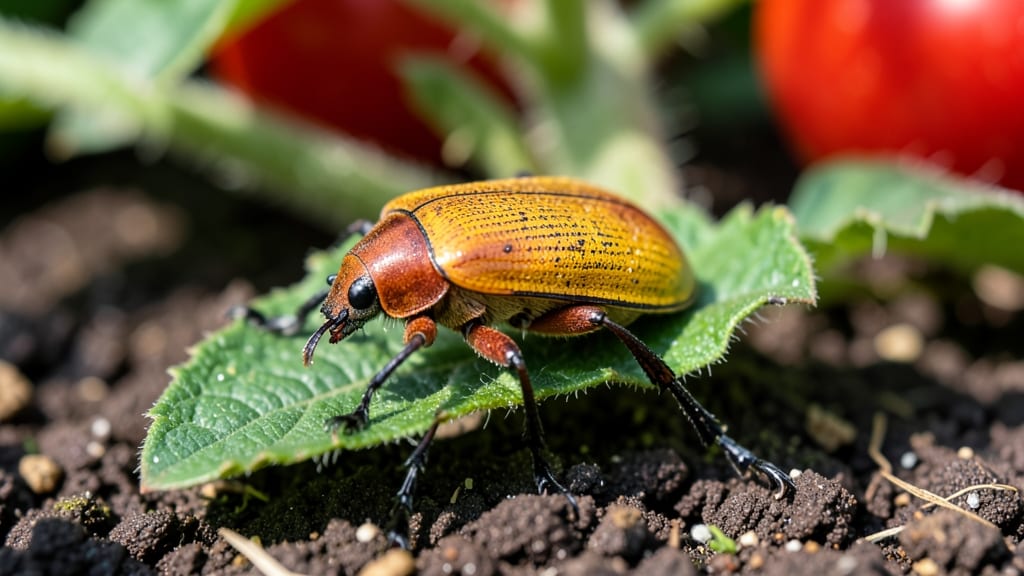
Those bugs that eat tomato plants can strip your harvest in days—hornworms, aphids, and Colorado potato beetles are the usual culprits. 🌱 I’ve seen entire plants defoliated in a week, but the right early action turns the tide. The worst offenders aren’t just hungry—they multiply fast.
Hornworms hide as camouflaged caterpillars, while aphids cluster like tiny green blobs on stems. Colorado beetles? They chew through leaves and leave skeletonized foliage behind. Spotting them early means saving your tomatoes before they’re gone.
Natural fixes work better than chemicals: handpick caterpillars, spray soapy water on aphids, or introduce beneficial nematodes for beetles. My plants bounce back stronger when I act fast—no more sad, half-eaten vines by harvest time. This isn’t just about saving leaves—it’s about protecting your whole garden’s health.
Let’s stop these pests before they ruin your season.
Root Causes of Tomato Plant Devastation
When your tomato plants start looking like a buffet for tiny critters, it’s rarely just bad luck—there’s usually a specific reason these pests are targeting your garden. Understanding the why behind the attack is the first step to reclaiming your lush, leafy tomatoes.
Let’s break down the science and scenarios that turn your garden into an all-you-can-eat bug café.
Tomato plants under stress are like neon signs for hungry insects. When they’re packed too closely together or struggling to access nutrients, their defenses weaken, making them easier prey. Here’s how it happens:
- Poor air circulation: Dense foliage traps moisture, creating the perfect humid microclimate for pests like aphids and whiteflies. These bugs thrive in damp, stagnant conditions, while your tomatoes wilt from fungal diseases that follow.
- Nutrient deficiency: Plants low in nitrogen (a key building block for leaves) produce softer, more palatable foliage. Hornworms and Colorado potato beetles, for example, prefer stressed, nutrient-deficient plants because they’re easier to digest.
- Competition for resources: If your tomatoes are competing with weeds or other plants for water and sunlight, they’ll prioritize survival over pest resistance. Weakened plants emit stress signals (like volatile organic compounds) that attract pests.
Actionable fix: Space plants 18–24 inches apart, prune regularly to improve airflow, and use a balanced fertilizer (like 10-10-10) to boost resilience. Pro tip: 💡 Mulch with straw or grass clippings to retain moisture without suffocating roots.
Not all tomatoes are created equal—and neither are their pest magnets. Some varieties are genetically more appealing to certain bugs, while others are simply planted in the wrong place or time. Here’s the breakdown:
| Pest | Why They Love It | High-Risk Tomatoes |
|---|---|---|
| Colorado Potato Beetles | Adults are drawn to solanine-rich nightshades (tomatoes, potatoes, eggplants). Larvae prefer young, tender leaves. | Cherry tomatoes, Roma, heirloom varieties (e.g., Brandywine) |
| Hornworms | They target plants with high soluble sugars—common in ripe or overripe tomatoes. They also avoid hairy leaves, which irritate their mouths. | Smooth-leaf varieties (e.g., Beefsteak, Early Girl) |
| Aphids & Whiteflies | They’re attracted to new growth and sticky honeydew produced by stressed plants. Some tomato varieties exude more honeydew when infested. | Indeterminate varieties (e.g., Sungold, Black Krim) |
Actionable fix: Choose pest-resistant hybrids (look for _VFN_ labels for virus, fungus, and nematode resistance) or grow hairy-leaf varieties like ‘Cherokee Purple’ to deter hornworms. Pro tip: 🌡️ Plant tomatoes after the last frost in your zone—cool-season pests like flea beetles are less active in warm soil.
Your garden might be an unintentional pest paradise if it provides shelter, food, or breeding grounds for tomato-loving bugs. Here’s how your landscape could be inviting them over:
- Nearby weeds & alternate hosts: Many tomato pests (like aphids and spider mites) thrive on weeds such as purslane, lamb’s quarters, or milkweed. These act as buffer zones where pests multiply before moving to your tomatoes.
- Woodpiles & garden debris: Overwintering pests like Colorado potato beetles and cutworms hide in mulch piles, leaf litter, or untreated wood. A tidy garden = fewer hiding spots.
- Adjacent crops: Planting tomatoes next to basils, marigolds, or other nightshades can attract pests that’ll spill over. Meanwhile, companion plants like garlic or onions repel many bugs.
- Standing water: Mosquitoes and fungus gnats lay eggs in damp soil, and their larvae can stress tomato roots, making plants more vulnerable to other pests.
Actionable fix: Clear weeds within a 10-foot radius of your tomato patch, store firewood away from the garden, and avoid planting tomatoes next to potatoes or eggplants. Pro tip: ✨ Use reflective mulch (like aluminum foil or silver plastic) to confuse flying pests like whiteflies.
Mother Nature plays a huge role in pest outbreaks. Certain weather patterns can explode bug populations or weaken your tomatoes’ defenses. Here’s how:
- Hot, dry spells: Drought-stressed tomatoes produce more sugars in their leaves, making them sweeter (and more attractive) to pests like stink bugs and aphids.
- Cool, wet springs: Excess moisture encourages fungal diseases (like early blight) and soft-bodied pests (e.g., slugs, cutworms) that chew young seedlings.
- Unseasonably warm winters: Pests like Colorado potato beetles survive harsher winters in southern climates, leading to earlier and larger infestations in spring.
- Sudden temperature swings: Fluctuations stress plants, making them more susceptible to viral infections spread by aphids and whiteflies.
Actionable fix: Install a drip irrigation system to avoid wetting leaves (which attracts fungi and pests), and use row covers in early spring to protect seedlings from cool, wet conditions. Pro tip: 🔥 If your area has predictable pest seasons (e.g., hornworms peak in July), plan to monitor plants weekly during those times.
How to solve it
H2: Quick Fixes for Tomato Plant Pests
When your tomato plants become a buffet for hungry bugs, acting fast is key! Below are practical solutions tailored to the most common culprits—from chewy caterpillars to sap-sucking invaders.
Each fix is designed to be easy to implement, whether you’re a seasoned gardener or a beginner with a green thumb. 🌱🐛
---
Signs: Large green caterpillars with white stripes, half-eaten leaves, and black droppings.
How to Fix:
- 🔥 Handpick them! Wear gloves and pluck them off (they’re surprisingly squishy—satisfying revenge!). Drop them into soapy water to avoid regrowth.
- 🍳 Introduce predators: Ladybugs, lacewings, and parasitic wasps (like Cotesia congregata) love hornworms. Buy them online or attract them with companion plants like dill or fennel.
- 👨🍳 Use organic sprays: Spray with Bacillus thuringiensis (Bt)—a natural bacteria that targets caterpillars without harming other insects. Reapply after rain.
💡 Prevention Tip: Plant basil near tomatoes—hornworms avoid it like ketchup avoids fries!
---
Signs: Tiny green/black clusters on undersides of leaves, sticky residue (honeydew), and curled or yellowing foliage.
How to Fix:
- 🔪 Blast them off: Use a strong stream of water from a hose to dislodge them. Repeat every few days until gone.
- 🌡️ Soap spray solution: Mix 1 tbsp mild liquid soap + 1 quart water in a spray bottle. Test on a few leaves first to avoid burning plants.
- 🎯 Attract aphid enemies: Ladybugs and lacewings feast on aphids. Plant marigolds or nasturtiums nearby to lure them in.
💡 Prevention Tip: Avoid over-fertilizing with nitrogen—aphids thrive on soft, fast-growing plants. Use balanced fertilizer instead.
---
Signs: Ragged leaf edges, orange/yellow beetles, and white grubs munching on roots.
How to Fix:
- 🔪 Handpick adults: Crush beetles and grubs by hand (wear gloves—they secrete a toxic yellow fluid!). Do this early in the morning when they’re sluggish.
- 🥘 Row covers: Use lightweight fabric covers over young plants to block adults. Secure edges tightly to prevent entry.
- 🌱 Trap crops: Plant potatoes or eggplants nearby to distract beetles from tomatoes.
💡 Prevention Tip: Remove potato plants from your garden after harvest—beetles overwinter in soil and emerge to attack tomatoes!
---
Signs: Tiny white moth-like insects swarming leaves, sticky honeydew, and yellowing plants.
How to Fix:
- 🔥 Yellow sticky traps: Hang yellow cards coated with petroleum jelly near plants to trap adults.
- 🍳 Neem oil spray: Mix 1 tsp neem oil + 1 tsp mild soap + 1 quart water. Spray undersides of leaves where they hide. Reapply every 5–7 days.
- 👨🍳 Beneficial nematodes: Apply Steinernema feltiae to soil—these microscopic worms kill whitefly larvae.
💡 Prevention Tip: Inspect new plants before bringing them indoors or into the garden—whiteflies hitchhike easily!
---
Need a quick reference? Use this table to match pests to fixes:
| Pest | Quick Fix | Prevention |
|---|---|---|
| Hornworms | Handpick + Bt spray | Plant basil |
| Aphids | Soap spray + water blast | Balanced fertilizer |
| Colorado Potato Beetles | Row covers + handpick | Remove potato plants |
| Whiteflies | Sticky traps + neem oil | Inspect new plants |
| Slugs/Snails | Beer traps + diatomaceous earth | Remove hiding spots |
✨ Pro Tip: Rotate your methods! Pests build resistance to the same treatments over time. Mix up organic sprays, handpicking, and natural predators for long-term success.
Frequently asked questions
What are the most destructive bugs that attack tomato plants?
The worst offenders are hornworms (giant green caterpillars), Colorado potato beetles (orange/yellow beetles), and aphids (tiny green/black clusters). These pests can defoliate plants in days if left unchecked.
How do I tell if my tomato plants have pests before the damage is severe?
Look for chewed leaves, sticky residue (honeydew), or tiny holes in foliage. Check undersides of leaves for eggs or caterpillars. Early signs include yellowing leaves or curling—these mean pests are already feeding.
Are there natural ways to get rid of these pests without chemicals?
For hornworms, handpick them or use Bacillus thuringiensis (Bt). For aphids, blast them off with water or spray soapy water. Neem oil works against many pests, and beneficial nematodes target grubs in the soil.
Can companion planting actually prevent tomato pests?
Yes! Plant basil to repel hornworms, marigolds to deter aphids, or garlic/onions to keep many pests away. Even nasturtiums act as trap crops for aphids. The key is strategic placement—keep companions close to your tomatoes.
What’s the fastest way to stop a full-blown infestation?
Combine physical removal (handpick pests), natural predators (ladybugs/lacewings), and organic sprays (neem oil/Bt). For severe cases, use row covers to block adult beetles. Act within 48 hours—delaying lets pests multiply exponentially.