
Companion Plants
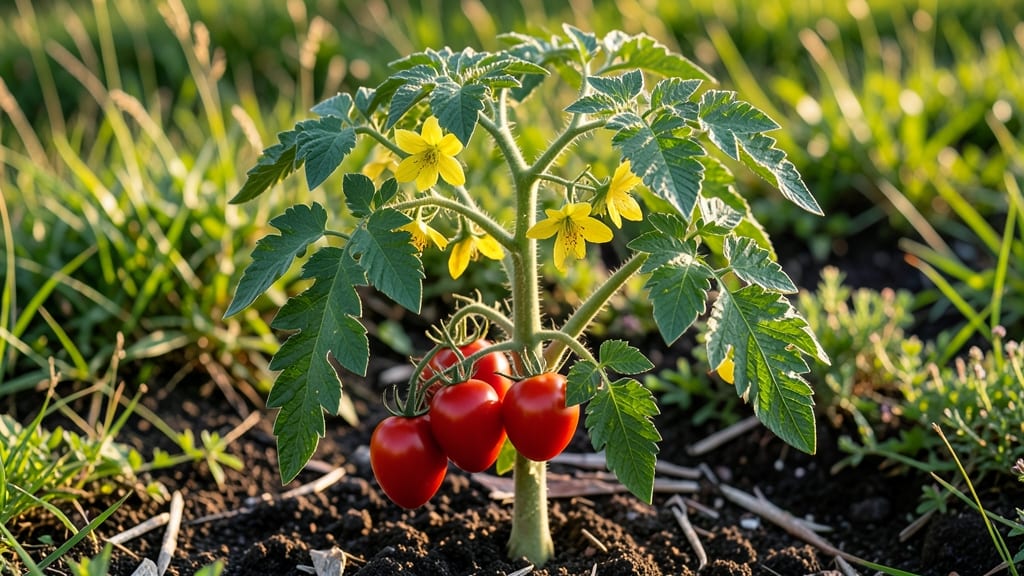
Tomato plants absolutely need a lot of sunlight to thrive—6 to 8 hours daily is the magic number for juicy, abundant fruit 🍅.
If your tomato plants are producing sparse fruit—or worse, none at all—sunlight might be the missing ingredient. But how much is too much or too little? The answer isn’t just “a lot”—it’s a precise balance of light that transforms weak vines into prolific producers.
Too little sunlight, and your plants stretch toward the sky, growing leggy and weak. Too much, and they can get sunburned, leaving patches of white or yellow on the leaves.
The key is finding that sweet spot where your tomatoes get enough energy to grow strong roots, sturdy stems, and flavorful fruit.
In this guide, I’ll break down exactly how much sunlight your tomato plants need, how to tell if they’re getting just the right amount, and what to do if your garden isn’t quite sunny enough. Let’s get those plants soaking up the rays the right way!

How many sunlight hours do tomato plants need for maximum fruit production?
Tomatoes are sun-worshippers, and their fruit production depends entirely on getting the right amount of direct sunlight. While many gardeners assume "lots of sun" is enough, the truth is more precise: 6 to 8+ hours of full sun daily is the sweet spot for most varieties.
Without this, your plants may grow tall but produce few, if any, tomatoes. Think of sunlight as the fuel that turns blossoms into juicy, flavorful fruit.
The exact sunlight needs vary slightly between determinate (bush) and indeterminate (vining) varieties, but all tomatoes crave bright, direct light. Determinate types, like Roma or Celebrity, can tolerate slightly less sun (around 6 hours) because they mature quickly.
Indeterminate varieties, such as Cherry or Beefsteak, need closer to 8+ hours to support their continuous growth and heavy fruit loads.
Here’s the kicker: Partial shade—even just a few hours of it—can drastically reduce fruit set. I’ve seen tomato plants in dappled shade (like under a tree) produce tiny, misshapen tomatoes or none at all. The key is unobstructed sunlight from morning until late afternoon, when the sun is strongest.
🌱
Measuring sunlight accurately is easier than you think. Use a simple sunlight tracker: place a white board or card near your planting spot and mark the shadow cast every hour. If the shadow is shorter than the board for 6+ hours, you’re in the ideal range.
Pro tip: Morning sun (before 10 AM) is gentler, while afternoon sun (after 2 PM) can scorch leaves, so balance is key.
Too much sun? Watch for sunburned leaves—they’ll turn white or crispy, especially in hot climates. Too little? Your plants will stretch toward the light, growing leggy and weak, with small, pale leaves.
I once had a Beefsteak tomato plant in partial shade that grew 10 feet tall but produced only 3 tiny tomatoes—a classic case of light deprivation.
For container growers, south-facing windows or balconies are ideal. If your space gets less than 6 hours, consider a grow light for 12–14 hours daily to supplement. Even reflective surfaces like white walls or mulch can bounce extra light onto your plants, boosting their energy.
🌞
Remember, tomatoes don’t just need sunlight—they need the right intensity. Direct light (not filtered through leaves or buildings) triggers the photosynthesis that turns sugars into flavorful fruit. If your garden is shady, choose compact varieties like Patio or Tiny Tim, which tolerate 5–6 hours better than vining types.
Next time you’re planning your tomato patch, grab a sunlight meter or use the shadow test to map out the sunniest spots. Your future harvests—and your plants’ happiness—will thank you.
Signs your tomato plants aren’t getting enough (or too much) sunlight
Tomato plants are sun worshippers, but too little or too much sunlight can cripple their growth.
If your tomato plants look weak or produce poor fruit, check their light exposure first. Leggy stems and pale leaves scream for more sun, while crispy, white patches on leaves mean they’re getting scorched. The key is finding that golden balance of 6-8 hours of direct sunlight daily.
When tomato plants lack sunlight, they stretch toward light sources, creating tall, spindly stems that struggle to support fruit. Their leaves may turn yellow or develop pale green hues.
Meanwhile, excessive sunlight causes leaves to bleach or develop brown, papery patches. Both extremes stunt growth and reduce yields, so let’s diagnose your plants’ light needs.
🌱 PROS-CONS BOX: Sunlight Needs for Tomato Plants
✅ Too Little Sunlight
- Leggy, weak stems
- Pale yellow leaves
- Few or no flowers
- Small, poor-quality fruit
- Move to sunnier spot
- Use reflective mulch
- Prune nearby shade trees
- Add grow lights (indoor)
❌ Too Much Sunlight
- White or brown leaf burn
- Stunted growth
- Bitter-tasting fruit
- Premature wilting
- Provide afternoon shade
- Use shade cloth (30-50%)
- Water deeply to cool roots
- Choose heat-tolerant varieties
For determinate varieties, like Roma tomatoes, aim for 6-8 hours of sun—they handle partial shade better than their indeterminate cousins, such as Cherry tomatoes, which thrive with 8+ hours.
If your garden is shady, opt for dwarf varieties or grow in containers near a south-facing window. In hot climates, provide afternoon shade to prevent sunburn.
Another clue? Check your tomato plant’s leaves. Healthy foliage should be a deep, vibrant green. If leaves are yellowing between veins, it’s often a nutrient deficiency caused by poor light.
Meanwhile, crispy, white edges signal excessive sunlight. Adjust your plants’ position gradually—sudden changes can shock them. A sunny windowsill or raised bed in full sun is ideal for most varieties.
Don’t forget to monitor fruit development. Tomatoes need sunlight to set fruit—if blossoms drop off without forming, your plants aren’t getting enough light. Conversely, overripe or cracked fruit can signal too much heat and sun.
Balance is key: aim for consistent sunlight without scorching. In urban gardens, use reflective surfaces like white walls or mirrors to bounce extra light onto plants.
If you’re still unsure, observe your plants at different times of day. Morning sun is gentler, while afternoon sun can be intense. For container-grown tomatoes, rotate pots weekly to ensure even light exposure.
With the right balance, your tomato plants will reward you with bountiful harvests all season long. 🍅