
How To
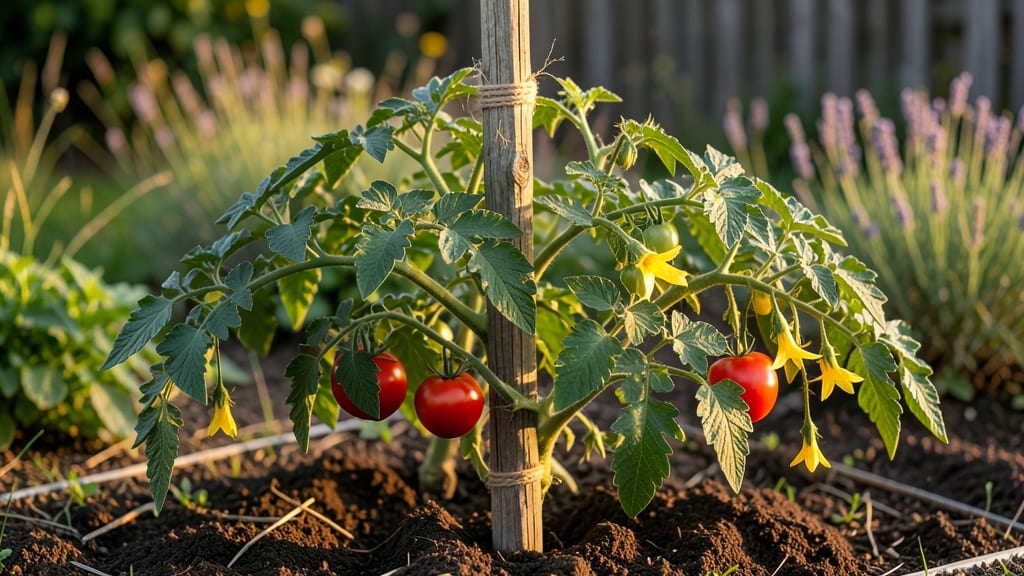
Tomato plants grow anywhere from 1 foot to towering 12 feet tall, depending on the variety you choose—so your garden space and harvest goals should dictate your pick.
Picture this: a cherry tomato plant spilling over a balcony railing, its 3-foot vines heavy with fruit, versus a heirloom sprawling up a trellis like a jungle vine, reaching for the sky.
The difference isn’t just in height—it’s in how much space you’re willing to commit (or save) for a bountiful harvest.
Determinate varieties stay compact, perfect for containers or small gardens, while indeterminate types keep growing until frost. But here’s the catch: taller doesn’t always mean better—unless you’re ready to prune, trellis, and stake like a pro.
Below, I’ll break down the height ranges by variety, how to control overgrowth, and which types thrive in tight spaces (or sprawl like they own the place).
You’ll leave here knowing exactly which tomato will fit your garden—and how to keep it from turning your yard into a jungle. Or, if you prefer, how to let it run wild (with style).


Tomato plant height by variety: from dwarf to sky-high vining types
Choosing the right tomato variety isn't just about flavor—it's about space management. Some varieties stay compact enough for container gardens, while others grow tall enough to climb trellises or even cover fences. Understanding these height differences helps you plan your garden layout and avoid overcrowding.
For example, a dwarf tomato plant might fit perfectly on your patio, while an indeterminate variety could turn your backyard into a vertical jungle. Let's break down the three main height categories so you can pick the perfect fit for your space.
Tomatoes are broadly categorized into three height groups: dwarf (1-2 ft), bush (3-4 ft), and indeterminate (6-12+ ft). Each group has distinct growth habits, space needs, and care requirements.
Dwarf varieties are ideal for small spaces or containers, while indeterminate types thrive when given room to vine vertically. The key is matching your garden's layout to the plant's natural growth pattern.
For instance, cherry tomatoes often fall into the indeterminate category, producing fruit all season long if supported properly.
Here's a quick comparison of the three height categories to help you visualize what to expect in your garden. Each type has unique advantages—whether you're working with limited space or dreaming of a lush, vertical tomato garden.
Dwarf tomato varieties are perfect for urban gardeners or balcony growers with limited space. These plants typically reach 1-2 feet tall and produce a concentrated harvest in a small footprint. Varieties like 'Tiny Tim' or 'Patio Princess' are designed to thrive in 5-gallon containers or even hanging baskets.
Their compact size makes them ideal for small patios or windowsills, but don't expect a high yield—these are best for personal use rather than bulk production. If you're growing in a container, choose a dwarf variety to avoid root-bound issues and ensure healthy growth.
Bush tomatoes, also called determinate varieties, grow to 3-4 feet tall and produce fruit all at once, making them perfect for canning or large harvests. These plants have a self-supporting structure, so they don’t require trellises or stakes.
Popular varieties like 'Celebrity' or 'Roma' are great for in-ground planting or raised beds. They need about 18 square feet of space per plant to avoid competition for nutrients. If you're planning a traditional garden layout, bush tomatoes are a reliable choice for a steady, abundant harvest.
Indeterminate tomatoes are the giants of the tomato world, often reaching 6-12 feet tall or more with proper support. These varieties produce fruit continuously throughout the growing season, making them ideal for extended harvests.
Popular choices like 'Sungold' or 'Brandywine' thrive when given vertical space, such as trellises, cages, or fences. Without support, their vines can sprawl up to 10 feet wide, so they’re best suited for gardens with ample space or vertical growing systems.
If you love the idea of a year-round tomato supply, indeterminate varieties are your best bet—but be prepared to invest in sturdy support structures.
When selecting a tomato variety, consider your garden layout and available space. If you're working with a small balcony or patio, dwarf varieties are your best friend. For a traditional in-ground garden, bush tomatoes offer a balanced solution.
And if you have the space for a vertical garden or trellis system, indeterminate varieties will reward you with a bountiful, continuous harvest. Always check the seed packet or plant tag for specific height expectations—some indeterminate varieties can exceed 12 feet with ideal conditions!
Proper spacing and support are key to maximizing yield and keeping your plants healthy.
Another factor to consider is your climate and growing season length. In cooler regions, taller indeterminate varieties may not have enough time to reach their full height before frost. In these cases, bush or dwarf varieties are often a safer bet.
However, if you live in a long, warm growing season, indeterminate tomatoes can produce fruit well into fall. Always match your variety to your local frost dates and growing conditions for the best results.
For example, in Zone 5 or colder, early-maturing indeterminate varieties like 'Early Girl' can still thrive with proper care.
If you're new to tomato gardening, start with a mix of
How to control tomato plant height: pruning, trellising, and support tips
Managing tomato plant height isn't just about aesthetics—it's about maximizing your harvest and saving garden space. Indeterminate varieties can grow 6-12+ feet if left unchecked, while determinate types stay compact at 3-4 feet.
The key is using the right techniques to guide their growth without stunting production. I've learned that proper support and pruning can actually increase yields by improving air circulation and fruit exposure.
First, understand that pruning and trellising serve different purposes. Pruning focuses on removing excess foliage to direct energy to fruit production, while trellising provides structural support. For indeterminate varieties, I recommend a combination of both—pruning suckers and training vines upward.
This prevents sprawling and makes harvesting easier, especially for heavy fruit loads like beefsteak tomatoes.
Here's a quick guide to managing height based on your tomato type and garden setup:
🌱 Height Control Strategies
For container gardening, I've found that semi-dwarf varieties like 'Patio' or 'Balcony Red' thrive in 5-gallon pots with proper support. The secret is using a tomato cage that's at least 3 feet tall—these varieties can still reach 4-5 feet if given enough space.
Always plant deep, burying 2/3 of the stem to encourage robust root growth and stability.
Remember that over-pruning can reduce yields, especially in determinate varieties that produce all their fruit at once. Limit yourself to removing only diseased leaves or those shading fruit. And never prune more than 1/3 of the foliage at any one time.
The goal is to maintain a balance between leafy growth (for photosynthesis) and fruit production.
Proper height management transforms your tomato plants from space hogs to productive, easy-to-care-for assets. With the right techniques, even 10-foot vines can be tamed into neat, high-yielding vertical gardens that free up valuable ground space for other crops.
Start with the right variety for your space, then combine pruning and support for the best results. 🌿