
Companion Plants
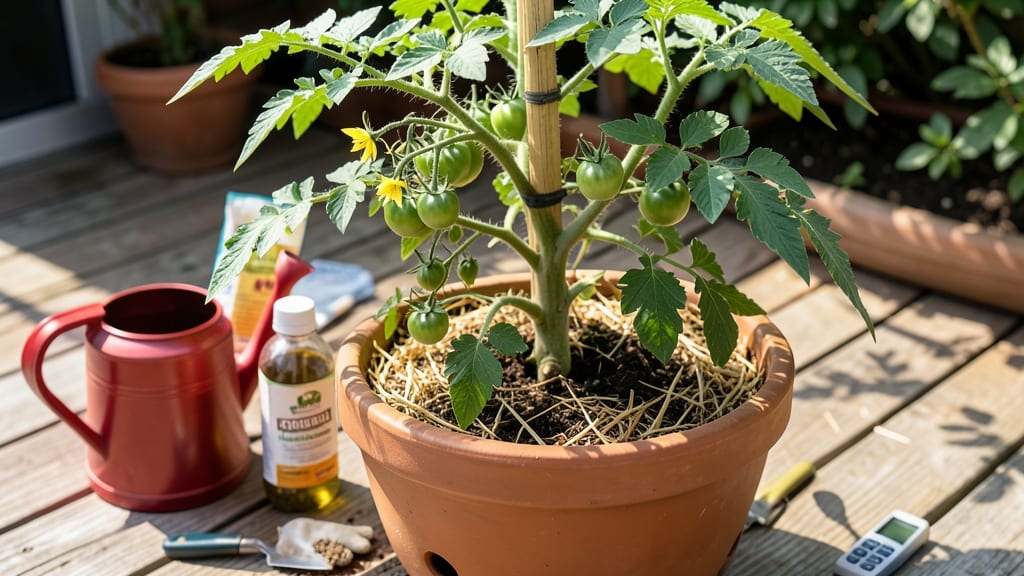
Caring for tomato plants in pots means juicy harvests even on a tiny balcony. 🌱 I learned the hard way that container tomatoes need more attention than in-ground plants, but the payoff—sun-ripened fruit in July—makes it worth every extra check.
The secret lies in matching pot size to plant needs, keeping roots happy, and pruning just enough to maximize fruit without stressing the vine.
Start with a container at least 5 gallons for determinate varieties and 10+ gallons for indeterminate types. Use well-draining potting mix (never garden soil) and add a handful of compost at planting. Water when the top inch feels dry, and always water deeply—shallow puddles lead to root rot.
Place pots where they get 6-8 hours of sunlight daily, and rotate them weekly for even growth.
Feed your plants every 2-3 weeks with a balanced fertilizer (10-10-10 or tomato-specific mix), and prune suckers—those little shoots in the leaf axils—when they're pencil-sized. This keeps energy flowing to fruit instead of foliage.
By midsummer, you'll have vines heavy with tomatoes, and the key to keeping them producing? Consistent care and a little extra love when stress hits.
Troubleshooting is half the fun: yellow leaves mean overwatering, whiteflies mean a spray of neem oil, and blossom-end rot means your calcium levels are off. But with the right setup, your container tomatoes will outperform most backyard plants—and you'll never need a garden bed again.
📚 In This Guide
- What you need
- Instructions
- Tips and common mistakes
- Wrapping up and next steps
What you need
- ● Container: A pot at least 5 gallons (for dwarf varieties) or 10+ gallons (for indeterminate/large varieties). Ensure it has drainage holes (or drill them yourself!).
- ● Potting mix: A high-quality, well-draining mix designed for vegetables or containers. Avoid garden soil—it compacts and suffocates roots! Aim for 3-5 cubic feet per pot.
- ● Tomato seedlings or seeds: Choose determinate (bush-type) or indeterminate (vining) varieties based on your space. Start with 1-2 plants per pot (overcrowding stresses plants).
- ● Fertilizer: Balanced starter fertilizer (e.g., 10-10-10) for planting.
- ● Tomato-specific fertilizer (high in phosphorus/potassium, like 5-10-10) for flowering/fruiting.
- ● Support system: Cages or stakes (5-6 ft tall for indeterminate varieties).
- ● Tie clips or soft plant ties to secure vines.
- ● Watering can or hose with a gentle spray nozzle.
- ○ Mulch (optional but helpful): Straw, shredded leaves, or landscape fabric to retain moisture and suppress weeds.
- ● Self-watering system (e.g., a reservoir pot or drip irrigation) for consistent moisture.
- ● Epsom salt (1 tbsp/month) for magnesium boosts, especially in flowering stages.
- ● Companion plants like basil, marigolds, or borage to deter pests and improve growth.
- ● Grow lights (if growing indoors) to supplement sunlight (12-16 hours/day).
- ● Pruning shears for trimming suckers or dead leaves.
Step-by-step guide to caring for potted tomato plants
Here's how I keep my container-grown tomatoes producing heavy fruit all season long.
🪴 Step 1: Select the Right Container and Soil Mix
Choose a pot that's at least 18-24 inches deep and wide enough to accommodate your plant's mature size—tomatoes need room for their roots to spread and access nutrients. I use fabric grow bags for my largest varieties because they allow roots to breathe and prevent soil compaction that can lead to root rot. Make sure the container has drainage holes; if not, drill them yourself.
Fill the pot with a high-quality potting mix designed for vegetables, not garden soil. I blend mine with 20% perlite or vermiculite to improve drainage and add a handful of compost for organic nutrients. The mix should be loose enough that you can easily push your finger 3-4 inches deep without resistance. Press the soil down lightly after filling to create a firm base for the roots.
☀️ Step 2: Position for Maximum Sunlight
Tomatoes are sun-worshippers and require 6-8 hours of direct sunlight daily. Place your pots in the sunniest spot available, preferably on a patio or balcony with southern exposure. If you're growing in a shaded area, supplement with a grow light positioned 12-18 inches above the plants for 14-16 hours per day.
Rotate the pots a quarter turn every 3-4 days to prevent the plants from leaning toward the light. You'll notice this when the stems grow unevenly or the leaves start shading one another. This simple step ensures even growth and better fruit production. If your tomatoes start looking pale or leggy, they're not getting enough light—move them closer to the sun or add supplemental lighting immediately.
💧 Step 3: Water Deeply and Consistently
Water your potted tomatoes deeply every 2-3 days, ensuring the water reaches the bottom of the pot. You'll know it's enough when water drains out of the holes at the bottom. Let the top 1-2 inches of soil dry out between waterings to prevent root rot, but never let the soil dry out completely—tomatoes are sensitive to moisture fluctuations.
I use a drip irrigation system or soaker hose to water at the base of the plant, avoiding the leaves to prevent fungal diseases like early blight. Water in the morning so the foliage has time to dry before evening, reducing the risk of mildew. If you notice the leaves wilting or curling, it's a sign of either underwatering or overwatering—check the soil moisture with your finger before reacting.
✂️ Step 4: Prune and Support for Healthy Growth
Prune your tomato plants regularly to encourage airflow and direct energy toward fruit production. Remove any suckers—those little shoots that grow in the leaf axils—using clean pruning shears. I prune mine every 2-3 weeks during the growing season, always cutting just above a leaf or branch to avoid leaving stubs that can invite disease.
Install a sturdy cage or stake when the plant is about 12 inches tall to support its weight as it grows. Tomatoes can get top-heavy, and without support, they'll flop over or break. Tie the main stem to the stake or cage with soft plant ties, gently securing it without cutting into the stem. Prune any branches that grow below the first flower cluster to keep the plant's energy focused upward.
🌿 Step 5: Fertilize and Monitor for Pests
Feed your potted tomatoes with a balanced, water-soluble fertilizer every 2-3 weeks during the growing season, following the package instructions for dilution. I switch to a low-nitrogen, high-phosphorus fertilizer when flowers appear to encourage blooming and fruiting. Avoid over-fertilizing, especially with nitrogen, which promotes leafy growth at the expense of fruit.
Inspect your plants weekly for pests like aphids, whiteflies, and hornworms. I spray the undersides of leaves with a neem oil solution at the first sign of trouble—it's organic, effective, and won't harm beneficial insects. Remove any yellowing or diseased leaves immediately to prevent the spread of infection. If you notice fruit cracking, it's often a sign of uneven watering or fluctuating soil moisture, so adjust your watering routine accordingly.
Tips & tricks for thriving potted tomato plants
These practical insights will help you maximize your container-grown tomato harvest all season.
Container Selection: Fabric grow bags are my top recommendation for large varieties because they prevent soil compaction and allow roots to breathe—critical for preventing root rot in deep containers. If using traditional pots, avoid plastic without drainage holes, as they trap excess moisture. For extra stability, add a layer of landscape fabric at the bottom before filling with soil mix. This creates a barrier that prevents soil from escaping through drainage holes while allowing water to flow freely.
Light Optimization: The 6-8 hours of direct sunlight requirement is non-negotiable, but here's the secret: supplement with a grow light positioned 12-18 inches above plants for 2-3 hours in the morning or evening if your location gets less than 6 hours of natural sunlight. I've found that extending light exposure to 14-16 hours during cloudy periods prevents leggy growth and maintains consistent fruiting. Use a timer to automate this—your plants will thank you with steady production.
Watering Technique: The deep watering method in Step 3 works wonders, but timing matters just as much. I've learned that watering in the morning between 6-8 AM gives roots plenty of time to absorb moisture before the heat of the day. For containers, I use a moisture meter to check soil moisture at the 3-4 inch depth—this is where the roots are actively growing. If the meter shows dryness, it's time to water deeply again. This prevents both underwatering and overwatering, which are the two most common issues with potted tomatoes.
Pruning Strategy: When pruning suckers every 2-3 weeks, focus on removing those that appear below the first flower cluster. These lateral shoots compete with fruit production for energy. I also make it a habit to prune any leaves touching the soil to prevent disease. For indeterminate varieties, I leave 3-4 main stems to maximize yield. Remember to sterilize your pruning shears with rubbing alcohol between cuts—this simple step prevents spreading disease from plant to plant.
Pro Tips for Care For Tomato Plants In Pots
- These practical insights will help you maximize your container-grown tomato harvest all season.
- Container Selection: Fabric grow bags are my top recommendation for large varieties because they prevent soil compaction and allow roots to breathe—critical for preventing root rot in deep containers.
- I've found that extending light exposure to 14-16 hours during cloudy periods prevents leggy growth and maintains consistent fruiting.
Frequently asked questions
Got questions about growing tomatoes in pots? You’re not alone! Here are answers to the most common concerns—so you can keep your vines happy and productive all season long.
Can I grow tomato plants in pots year-round?
Most tomato varieties thrive best in warm seasons (spring to fall), but with the right setup, you can extend the growing period. Use heat-tolerant varieties like ‘Solar Fire’ or ‘Heatmaster’ in summer, and opt for cool-season types like ‘Stupice’ in spring/fall. In winter, grow indoors near a sunny window or under grow lights—just ensure temps stay above 50°F (10°C).
How often should I water potted tomato plants?
Potted tomatoes need consistent moisture—water when the top inch of soil feels dry (usually every 1–2 days in hot weather). Overwatering causes root rot, so use pots with drainage holes and a self-watering system if you travel often. Morning watering prevents fungal diseases like blight. Pro tip: Mulch with straw to retain moisture!
Why are my tomato leaves turning yellow?
Yellow leaves often signal overwatering, nutrient deficiency, or pests. Check the roots—if they’re mushy, reduce watering. Nitrogen deficiency (lower leaves yellow) calls for a balanced fertilizer. Pests like aphids (sticky leaves) need neem oil treatment. Lower leaves yellowing naturally? Prune them to improve airflow!
What’s the best companion plant for tomatoes in pots?
Pair tomatoes with herbs like basil or marigolds to repel pests and boost flavor. Basil deters whiteflies, while marigolds confuse nematodes. Avoid planting with fennel or brassicas (kale, cabbage)—they compete for nutrients. For small pots, lettuce or spinach grow well as understory companions!
How big should my pot be for a tomato plant?
Aim for at least 5 gallons per plant (bigger is better!). Dwarf varieties (like ‘Tiny Tim’) thrive in 3–5 gallon pots, while indeterminate types (e.g., ‘Sungold’) need 10+ gallons to support vines. Use fabric grow bags for better aeration or add compost to boost drainage in heavy containers.
Wrapping up and next steps
Caring for tomato plants in pots is totally doable—and rewarding! With the right container, soil, sunlight, and love, your vines will thrive and produce juicy, homegrown tomatoes year-round. 🌱✨ Whether you’re a beginner or a seasoned gardener, these tips will set you up for success.
Now that you’re armed with knowledge, it’s time to roll up your sleeves and get planting! Start small—try a single pot or a few plants—and watch your confidence (and harvest) grow. Happy gardening! 🍅💚