
How To
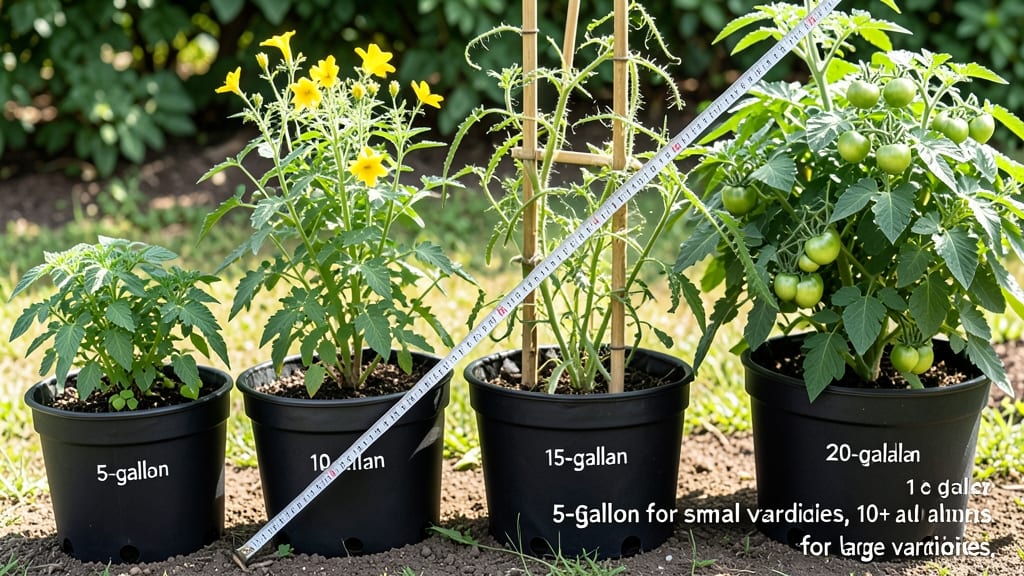
A tomato plant needs a pot at least 5 gallons for dwarf varieties and up to 15 gallons for sprawling vines—get that wrong, and you’ll watch your harvest shrink before your eyes.
Picture this: you’ve spent weeks nurturing your 🍅 seedlings, only to see them top-heavy with fruit while the roots circle helplessly in a cramped pot. That’s not just a missed harvest—it’s a recipe for blight and weak stems.
The right container isn’t just about space; it’s about giving roots room to breathe and feed your plant the nutrients it craves.
Here’s the game-changer: indeterminate varieties (those that grow like vines) need depth—think 12–18 inches deep—while bush types can thrive in shallower pots. Terracotta wicks away moisture faster than plastic, but plastic holds heat better in cooler climates.
We’ll break down the exact dimensions, materials, and even how to spot when your pot is holding your tomato back.
By the end, you’ll know exactly how big a pot your tomato plant needs—not just to survive, but to thrive and produce the juiciest, ripest fruit of the season.

Tomato plant pot size guide: minimum dimensions by variety type
Choosing the right pot size for your tomato plants is the first step toward a thriving harvest. Tomatoes are heavy feeders and need ample root space to support their growth and fruit production. A pot that’s too small will lead to root binding, stunted plants, and fewer tomatoes.
Meanwhile, a pot that’s too large can cause moisture issues and poor nutrient uptake. Let’s break down the ideal pot dimensions for every type of tomato variety.
There are two main types of tomatoes: determinate (bush) and indeterminate (vining). Determinate varieties grow to a fixed height and produce fruit all at once, while indeterminate varieties grow continuously and produce fruit throughout the season. This difference directly impacts the pot size you’ll need.
For example, a cherry tomato like 'Sungold' will thrive in a smaller pot, while a beefsteak tomato like 'Brandywine' needs deep, spacious roots to support its massive fruit.
Here’s a quick reference for pot sizes based on tomato variety type. Use this as your starting point, then adjust based on your specific variety and growing conditions.
For determinate tomatoes, prioritize a pot that’s wide enough to support the plant’s bushy growth. A 12-inch diameter pot works well for most semi-dwarf varieties, while dwarf varieties can thrive in 8-10 inch pots.
The key here is to avoid overcrowding, as determinate tomatoes produce fruit all at once, placing extra stress on the plant’s roots.
For example, 'Roma' tomatoes, which are determinate, do well in a 14-inch pot with a depth of at least 12 inches to accommodate their root system and heavy fruit load.
Indeterminate tomatoes are the heavy hitters of the tomato world, often growing several feet tall and producing fruit continuously. These varieties need deeper pots to support their extensive root systems. A 16-inch diameter pot with a depth of 18-20 inches is ideal for standard indeterminate varieties like 'Better Boy.' For giant heirloom tomatoes, such as 'Brandywine,' you’ll need a pot with a 20-24 inch diameter and a depth of 24-30 inches. These massive pots allow the roots to spread and grow downward, ensuring the plant has the resources it needs to produce large, flavorful fruit.
When selecting a pot, consider the material as well. Fabric pots are excellent for tomatoes because they allow roots to breathe and reduce the risk of root rot.
They’re also lightweight, making them easier to move if needed. Terracotta pots are great for heat retention but can dry out quickly, requiring more frequent watering. Plastic pots retain moisture well but may not provide the same level of aeration.
For indeterminate varieties, I recommend fabric or half-barrel pots, as they offer the best balance of depth, aeration, and moisture control.
One common mistake is assuming that a larger pot is always better. While it’s true that tomatoes need space, a pot that’s too large can hold excess moisture, leading to root rot or nutrient deficiencies.
Aim for a pot that’s just slightly larger than the tomato plant’s root ball at transplanting. For example, if you’re transplanting a 6-inch seedling, a 12-inch pot is ideal.
Over time, the roots will fill the pot, but you won’t have the issues associated with a pot that’s far too big. Always ensure your pot has drainage holes to prevent waterlogging, which can be fatal to tomato plants.
If you’re growing multiple tomato plants in a single container, such as a raised bed or large planter, space them at least 18-24 inches apart to allow for adequate airflow and root growth.
For example, in a 5-gallon container, you can fit one medium-sized tomato plant, while a 10-gallon container can accommodate two smaller plants. Always monitor your plants for signs of stress, such as yellowing leaves or stunted
5 Common mistakes that stunt tomato growth (and how to fix them)
Even with the perfect tomato plant pot size, your vines might still struggle if you overlook key care mistakes. I’ve seen root-bound plants wither or leaf curl from poor drainage—both fixable with simple adjustments. Let’s tackle the most common pitfalls that rob your tomatoes of their full potential.
The wrong container material or watering schedule can turn your thriving seedlings into stressed survivors. For example, plastic pots trap moisture, while terracotta dries too fast. Even sunlight exposure changes based on your pot’s location—shade from nearby plants or buildings can stunt growth without you noticing.
A 5-gallon pot works for determinate tomatoes, but indeterminate varieties need 10+ gallons to support their sprawling roots. Using too-small pots forces roots to circle instead of growing downward, starving your plant of nutrients. Check for root girdling by gently removing the plant—if roots wrap around the pot’s edge, it’s time to uproot and repot.
Skipping regular pruning leads to overcrowded foliage that blocks sunlight from reaching lower fruits. I once had a Sungold tomato plant with blind shoots (suckers) stealing energy from the main stem.
Removing these side shoots 2-3 inches below the leaf joint redirects energy to fruit production. Aim to prune once a week during peak growth.
Over-fertilizing is another silent killer—too much nitrogen fuels leafy growth at the expense of fruit development. Switch to a balanced 5-10-10 fertilizer and apply it every 3-4 weeks during flowering. For container plants, half-strength applications prevent salt buildup in the soil, which can burn roots.
Inconsistent watering patterns cause blossom-end rot, a calcium deficiency that turns fruit bottoms mushy and brown. Water deeply once a day in summer (morning is best) and use calcium-rich amendments like crushed eggshells.
If you’re using self-watering containers, check moisture levels—too much water can suffocate roots just as surely as too little.
Finally, neglecting support structures leads to broken stems and lost harvests. Even bush varieties benefit from cages or stakes to prevent sprawling. For indeterminate tomatoes, install a trellis or tomato tower early—roots won’t anchor well if you wait until the plant is top-heavy with fruit.