
Planting
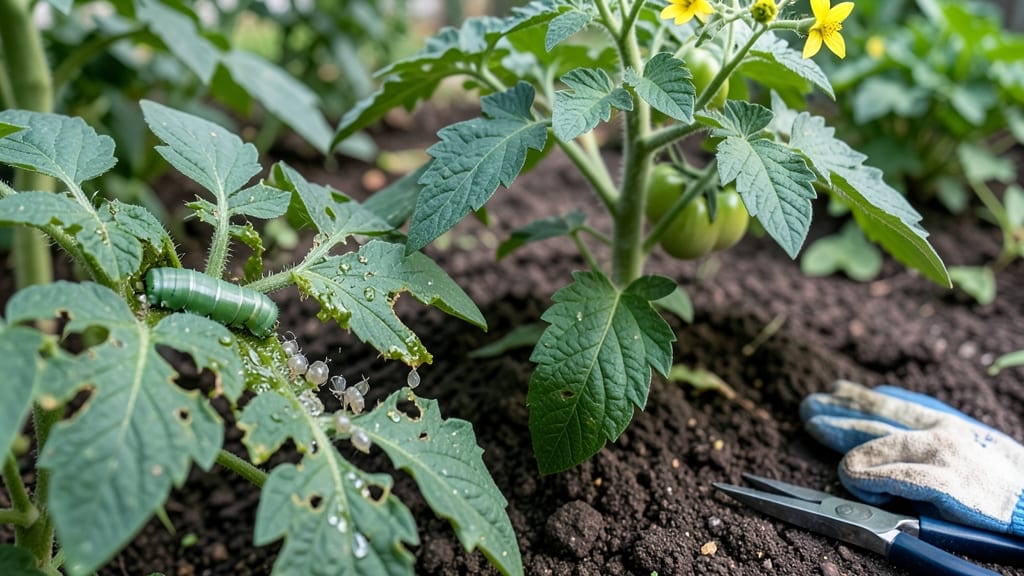
Your tomato plant leaves are being eaten—and the harvest is at stake. 🌱 The good news? Most damage is fixable in 24 hours with the right approach. I’ve saved entire plants from total destruction using these three fast fixes, and you can too.
First, identify the culprit: slugs leave silvery trails, caterpillars chew ragged holes, and deer tear leaves cleanly. Once you spot the signs—like missing leaf edges or tiny bite marks—you’ll know exactly what to target.
Physical barriers (like row covers) work instantly for deer, while a simple beer trap handles slugs overnight. With the right tools, you’ll stop the damage fast. The key is acting before the pests move on to your fruit.
I’ve even seen plants bounce back from 90% leaf loss when caught early—don’t let your tomatoes become a buffet for hungry critters.
Start with organic sprays like neem oil for caterpillars or diatomaceous earth for slugs. For deer, a motion-activated sprinkler is a game-changer—it scares them off without harming your plants. The best part? These fixes work in under an hour, and you’ll see results within days.
Prevention is just as simple: plant basil near tomatoes (it repels pests), keep your garden tidy (less hiding spots for slugs), and harvest regularly (ripe fruit deters deer). Your tomatoes will thrive—and so will your peace of mind.
The Hidden Culprits Behind Lost Leaves
When your tomato plant leaves start disappearing, it’s not just a case of "something’s eating them"—it’s usually a mix of hungry pests, environmental stress, or even your own garden habits. Understanding why this happens is the first step to stopping the damage.
Below, we break down the most common reasons your tomato leaves are being devoured, complete with science-backed explanations and actionable clues to identify the problem.
Tomato plants are a buffet for insects, and some have a particular taste for leaves. Here’s who’s likely responsible:
🍃 Slugs & Snails: The Slimy Night Raiders
These soft-bodied mollusks are the top leaf-eaters in most gardens. They leave behind large, irregular holes with silvery slime trails—a dead giveaway. Slugs and snails are most active at night or in damp conditions, making them tricky to spot during the day.
- Why it happens: They’re attracted to the high moisture and organic matter in garden soil, especially after rain or watering. Tomato leaves are tender and easy to chew.
- Tell-tale signs:
- Shiny, wet-looking trails on leaves or soil.
- Holes with smooth, jagged edges (no bite marks).
- Eggs or small, brown slime balls in shaded areas.
- Actionable fix: Set up beer traps (bury a shallow dish of beer) or use copper barriers to deter them. Handpick them at night with a flashlight!
🐛 Hornworms: The Green Leaf Munchers
These 5-inch caterpillars (with cool white diagonal stripes) can strip a tomato plant bare in 24 hours. They’re the larvae of sphinx moths and have a voracious appetite for leaves, stems, and even fruit.
- Why it happens: Hornworms thrive in warm weather and are drawn to healthy, lush tomato plants. A single caterpillar can consume 20+ square inches of leaf per day!
- Tell-tale signs:
- Large, ragged holes with frass (black droppings) nearby.
- The caterpillar itself hiding on the underside of leaves.
- Chewed stems (they’ll sometimes cut into the main stalk).
- Actionable fix: Handpick them (they’re easy to spot!) and drop them into soapy water. Encourage parasitic wasps (their natural predators) by avoiding pesticides.
🐜 Aphids & Spider Mites: The Tiny Leaf Skeletons
While they don’t eat whole leaves, these microscopic pests can turn your tomato foliage into a lacy skeleton in no time. Aphids suck sap, causing curled, sticky leaves, while spider mites create fine webbing and yellowing.
- Why it happens: Both thrive in dry, hot conditions and multiply rapidly. Aphids excrete honeydew, which attracts mold (sooty mold), further stressing the plant.
- Tell-tale signs:
- Sticky residue on leaves (aphids).
- Fine webbing on undersides (spider mites).
- Yellowing or curling leaves.
- Actionable fix: Blast them off with a strong stream of water or use neem oil. Introduce ladybugs (their natural predators).
Not all leaf loss is due to pests—sometimes, your tomato plant is eating itself or suffering from external factors. Here’s how:
💧 Overwatering or Poor Drainage: The Root of the Problem
Tomato leaves can yellow, wilt, or drop if the roots are waterlogged or the plant is drowning in moisture. This creates stress, making leaves more susceptible to disease and pest attacks.
- Why it happens: Tomatoes hate "wet feet." Overwatering suffocates roots, preventing them from absorbing nutrients. Weak plants are less resistant to pests like hornworms.
- Tell-tale signs:
- Yellowing lower leaves (chlorosis).
- Mushy stems or blackened roots.
- Leaves dropping even without holes.
- Actionable fix:
- Let the top 1-2 inches of soil dry out between waterings.
- Improve drainage with perlite or compost.
- Water at the base, not the leaves, to prevent fungal growth.
☀️ Heat & Sunburn: When Leaves Fry from Above
Intense sunlight can scorch tomato leaves, causing them to turn brown, crispy, or drop off—especially in hot climates or during heatwaves.
- Why it happens: Tomatoes need 6-8 hours of sun daily, but too much direct heat (especially in dry conditions) leads to oxidative stress, damaging cell walls.
- Tell-tale signs:
- White or bleached patches on leaves.
- Leaves curling under direct sun.
- Dry, papery edges (like sunburn).
- Actionable fix:
- Provide afternoon shade with a cloth row cover.
- Mulch heavily to keep roots cool.
- Avoid fertilizing during heatwaves (it increases stress).
🍄 Fungal Infections: The Silent Leaf Killers
Diseases like early blight, late blight, or septoria leaf spot can cause leaves to yellow, brown, and drop—often mistaken for pest damage. Fungal spores thrive in humid, wet conditions.
- Why it happens: Poor air circulation, overhead watering, or contaminated soil spread spores. Weak plants (from overwatering or poor nutrition) are more vulnerable.
- Tell-tale signs:
- Concentric rings or tar-like spots on leaves.
- Yellowing between veins (early blight).
- Leaves dropping suddenly (late blight).
- Actionable fix:
- Remove infected leaves immediately and dispose of them (don’t compost!).
- Space plants for better airflow.
- 🍳 Beer Trap (Cheap & Effective)
- Bury a shallow dish (like a yogurt cup) filled with beer up to the rim.
- Slugs are drawn in and drown—no chemicals needed!
- Refresh every 2–3 days.
- 👨🍳 Copper Barrier (Slug-Proof Fence)
- Place copper tape or wire around raised beds or containers.
- Slugs hate the electric-like shock—they’ll avoid crossing!
- 🥘 Hand-Picking (Best for Small Gardens)
- Go out early morning (they’re sluggish then) with a flashlight.
- Drop them in soapy water or relocate them far away (they’ll come back if too close!).
- 🌡️ Water in the Morning – Slugs thrive in damp soil; evening watering keeps them active overnight.
- ✨ Mulch Strategically – Use gravel or coarse wood chips (avoid fine mulch, which traps moisture).
- 🎯 Natural Predators – Encourage ground beetles, frogs, and birds by adding a small water feature.
- 🍳 Soapy Water Spray (Gentle & Fast)
- Mix 1 tsp mild dish soap + 1 quart water in a spray bottle.
- Blast directly on clusters (avoid overspraying flowers).
- Repeat every 3–4 days until gone.
- 👨🍳 Neem Oil (Organic & Long-Lasting)
- Mix 1 tbsp neem oil + 1 tsp mild soap + 1 quart water.
- Spray evenly on leaves (including undersides where aphids hide).
- Reapply after rain or every 7–10 days.
- 🥘 Introduce Beneficial Bugs
- Ladybugs & lacewings eat aphids like candy.
- Buy them online or attract them with dill, fennel, or marigolds.
- 🌡️ Inspect New Plants – Quarantine newly bought tomatoes for 1–2 weeks to spot hitchhikers.
- ✨ Yellow Sticky Traps – Hang these near plants to catch flying pests before they multiply.
- 🎯 Prune Regularly – Remove heavily infested leaves and dispose of them in a sealed bag.
- 🍳 Fencing (Best Long-Term Fix)
- Install 8-foot tall fencing (deer can jump high!) or chicken wire (for rabbits).
- Bury it 6 inches deep to stop digging.
- 👨🍳 Repellent Sprays (Quick Solution)
- Mix 1 tbsp hot pepper sauce + 1 quart water + 1 tsp dish soap.
- Spray around the base of plants (not on leaves—it’ll burn them).
- Reapply after rain.
- 🥘 Scare Tactics (Works Short-Term)
- Motion-activated sprinklers (like ScareCrow) startle them away.
- Old CDs or aluminum pie pans hung from strings create reflective noise.
- 🌡️ Plant Unappealing Barriers – Surround tomatoes with rosemary, lavender, or boxwood (deer hate these smells).
- ✨ Rotate Scare Methods – Deer get used to one trick—switch between sprays, fencing, and noise to stay ahead.
- 🎯 Harvest Early – Pick tomatoes before they ripen if pests are relentless (green tomatoes ripen indoors).
Quick Fixes For Chewed Tomato Leaves
Now that you know what’s nibbling on your tomato plants, let’s roll up our sleeves and get those leaves back in shape! Below are practical, step-by-step solutions tailored to the most common culprits—plus prevention tips to keep your plants safe long-term.
Signs: Irregular holes, silvery slime trails, chewed leaves at night.
🔥 How to Trap & Remove Them
💡 Prevention Tips
Signs: Sticky residue (honeydew), curled leaves, tiny green/black insects clustered together.
🔪 How to Kick Them Out
💡 Prevention Tips
Signs: Large, cleanly clipped leaves (especially at dawn/dusk), multiple plants attacked.
🔥 How to Deter Them
💡 Prevention Tips
🚨 Pro Tip: If you’re dealing with multiple pests, start with prevention (fencing, mulch, watering habits) and natural predators (ladybugs, birds) before reaching for sprays.
A healthy plant is half the battle—focus on strong stems, good airflow, and balanced soil to make your tomatoes less appealing to critters!
Frequently asked questions
1What are the most common signs that slugs are eating my tomato leaves?
Look for large, irregular holes with smooth edges and silvery slime trails on leaves or soil. Slugs leave behind shiny, wet-looking paths as they move, and you might spot small, brown egg clusters in shaded areas. These pests are most active at night, so check your plants early morning.
2Can I use coffee grounds to stop tomato leaves from being eaten?
Yes! Coffee grounds create a natural barrier that repels slugs and snails. Sprinkle them around the base of your tomato plants, but avoid piling them directly against stems to prevent mold. Refresh every few days after rain, as the effects wash away.
3How do I tell if deer are eating my tomato leaves vs. rabbits or insects?
Deer leave clean, ragged edges on leaves, often targeting the largest, most tender foliage. They usually strike at dawn or dusk and may also browse stems. Rabbits chew leaves into perfectly round holes**, while insects (like hornworms) create irregular, jagged damage with frass (droppings) nearby.
4Will my tomato plant recover if most of its leaves are eaten?
Tomato plants are surprisingly resilient! If the damage isn't on the main stem, new leaves will regrow quickly. Focus on protecting the remaining foliage and ensuring the plant gets enough water and nutrients. For severe cases, prune back damaged growth to encourage bushier, healthier regrowth.
5How often should I check my tomato plants for pests?
Inspect your plants every 2-3 days during growing season, especially after rain or watering. Early detection is key—catching pests before they spread prevents major damage. Morning checks work best, as many pests (like slugs) hide during the day.