
Flowers
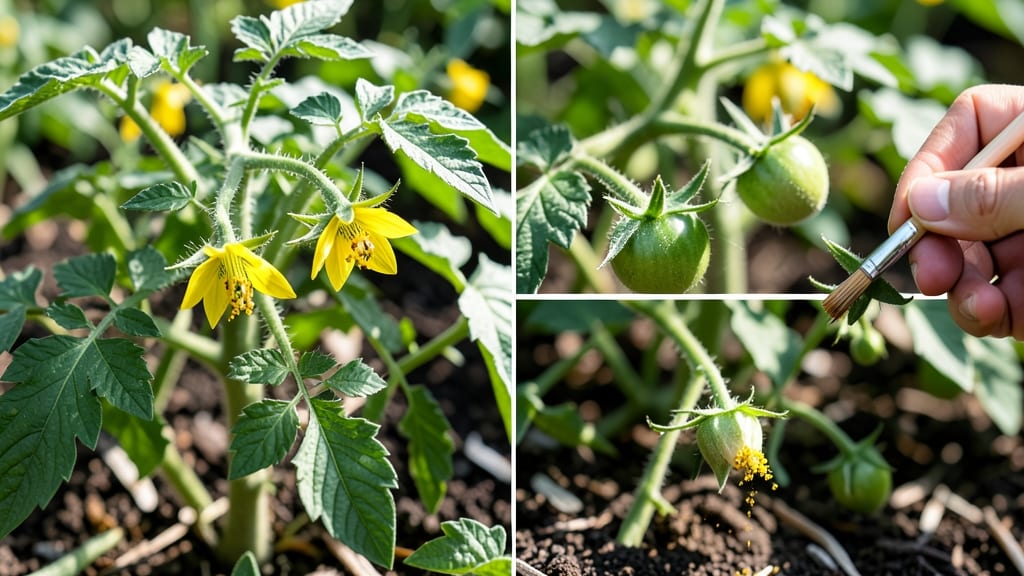
How to tell if a tomato flower is pollinated—that’s the key to saving your harvest before it’s too late. I’ve lost entire tomato crops to missed pollination, and the secret lies in knowing what to look for in those tiny blooms before they wilt away. Most gardeners focus on the wrong clues, but these five visual signs will tell you instantly whether your flowers are doing their job.
Start by checking the flower itself: a pollinated bloom wilts and drops within 24-48 hours, while unfertilized ones stay fresh for days. Then look for the tiny white or yellow pollen tube growing down the style—this is proof fertilization happened.
Finally, watch for the calyx (the leafy bit at the stem) to swell slightly as the fruit begins forming.
If you're still seeing open flowers after two weeks with no fruit, your plants need help. Hand-pollination with a paintbrush or gentle shaking works wonders on rainy days or in protected greenhouses. The payoff? Bushes heavy with tomatoes instead of wasted blossoms.
This method works for both indoor and outdoor tomatoes, from cherry varieties to beefsteaks. Once you master these clues, you'll never waste another season wondering why your plants aren't producing. Let's get those flowers working for you!
📚 In This Guide
- What you need
- Instructions
- Tips and common mistakes
- Wrapping up and next steps
What you need
- ● Healthy tomato plants (determinate or indeterminate, with flowers in bloom or recently bloomed)
- ● Magnifying glass or loupe (3x–10x magnification for close inspection)
- ● Notebook & pen (to track flower stages and pollination progress)
- ○ Camera or smartphone (optional, for documenting changes over time)
- ○ Gloves (optional) (to keep hands clean while handling plants)
- ● Small paintbrush or cotton swab (for gentle testing of flower structures)
- ● Grow lights or sunlight tracker (to monitor environmental conditions)
- ● Pollination log template (downloadable from gardening blogs or seed catalogs)
- ● Humidity meter (if your garden has inconsistent moisture levels)
- ● Bees or pollinator-friendly plants nearby (to encourage natural pollination)
How to identify pollinated tomato flowers with confidence
Skip the guesswork—here’s how to spot pollination in your tomato blooms before the fruit even forms.
Examine the Flower Shape for Subtle Changes
The first clue appears right after the flower opens. Healthy, unpollinated tomato blossoms remain perfectly symmetrical, with petals that spread evenly around the center. Look closely at the flower’s throat—the area where pollen would transfer. If you see the petals beginning to curl inward slightly at the edges, that’s your first sign of successful pollination.
Here’s the thing—this curling happens because the flower starts redirecting energy toward fruit development. You’ll notice it most clearly in the late afternoon when petals naturally droop. Compare a few flowers side by side: the pollinated ones will show this inward roll while unpollinated flowers stay flat and open.
Check for Pollen Transfer on the Stigma
Use a small hand lens or even a magnifying glass to inspect the stigma—the tiny, cone-shaped structure at the center of the flower. If the stigma appears yellowish or dusted with pale pollen, that’s proof pollination occurred. Fresh pollen looks like fine, powdery specks that cling to the stigma’s surface.
Don’t confuse pollen with dew or moisture—pollen sticks firmly and won’t wipe away easily. I like to gently touch the stigma with my fingertip: if it feels slightly rough or gritty, that’s another sign of successful transfer. This check works best in the morning when pollen is freshest.
Observe the Flower’s Lifespan and Wilting Pattern
Unpollinated tomato flowers typically last 2-3 days before wilting completely. But pollinated blooms start a different process: they begin wilting from the bottom up, starting with the petals closest to the stem. This happens because the flower’s nutrients are being redirected to the developing fruit.
Watch for this gradual collapse rather than a sudden drop. A pollinated flower might still look vibrant at the top while the lower petals already curl and brown. This pattern is especially noticeable in determinate tomato varieties, where pollination triggers are more pronounced.
Look for Swollen Ovary Signs Below the Flower
The most reliable indicator appears 24-48 hours after pollination: the ovary at the base of the flower begins to swell. This is the tiny tomato fruit starting its growth. Measure the ovary’s diameter with your fingernail—if it feels slightly thicker than the stem, pollination has occurred.
Here’s what I do: I run my thumb along the stem just below the flower. A pollinated ovary will feel like a tiny, firm bump, while an unpollinated one stays smooth. This check is foolproof because it happens before the flower even drops—giving you a head start on predicting your harvest.
Compare Flower Drop Patterns
Pay attention to which flowers fall off the plant. Unpollinated blossoms drop entirely, leaving no trace. But pollinated flowers often leave behind a small, green bump—the developing fruit—attached to the stem. This is your clearest sign of successful pollination.
Real talk: I’ve seen gardeners miss this clue because they focus only on the flowers themselves. The key is to examine the stem below each fallen blossom. If you find even one tiny fruitlet, you’ve got pollination happening—even if other flowers haven’t set yet.
Tips & tricks for identifying pollinated tomato flowers
These subtle signs will help you spot pollination before you even see fruit forming.
Timing Tip: The 24-48 hour window after pollination is your best opportunity to spot the swollen ovary. I check my plants every morning during this period—right after the dew dries but before the heat of the day. Early morning light makes the tiny changes in flower structure more visible, especially the slight thickening at the ovary base. This is when you'll notice that firm bump we talked about in Step 4.
Comparison Technique: Don't just examine one flower—compare multiple blooms on the same plant. I always look at three different flowers: one that just opened, one that's been open for a day, and one that's starting to wilt. This side-by-side comparison makes the subtle petal curling and pollen presence much easier to spot. The contrast between a fresh, flat petal and one that's beginning to curl inward is your clearest visual indicator.
Environmental Factors: Humidity and temperature affect how quickly you'll see these signs. In dry, hot conditions, pollinated flowers may show wilting patterns within 24 hours. But in cool, damp weather, you might need the full 48-hour window. I've noticed determinate varieties show signs faster than indeterminate ones—sometimes within 12 hours in ideal conditions. Keep a small notebook by your plants to track these variations.
Tool Recommendation: A small hand lens (even a cheap jewelry loupe) makes all the difference for inspecting stigmas. I keep mine clipped to my gardening apron so it's always handy. The magnification helps distinguish between actual pollen and morning dew—pollen will cling to the stigma while dew beads up and rolls off. This simple tool turns a guessing game into a precise science.
Pro Tips for Tell If Tomato Flower Is Pollinated
- These subtle signs will help you spot pollination before you even see fruit forming.
- Timing Tip: The 24-48 hour window after pollination is your best opportunity to spot the swollen ovary.
- Comparison Technique: Don't just examine one flower—compare multiple blooms on the same plant.
Frequently asked questions
Got questions about tomato pollination? You’re not alone! Here are some of the most common concerns gardeners have when checking if their tomato flowers are pollinated—and how to tackle them.
Why aren’t my tomato flowers pollinating at all?
If your flowers aren’t pollinating, it could be due to lack of bees, wind, or humidity. Try hand-pollinating with a small brush or gently shaking the plant. Also, ensure your tomatoes are getting enough sunlight and water—stressed plants produce fewer viable flowers.
How long does it take for a pollinated tomato flower to form a fruit?
After successful pollination, you’ll usually see a tiny fruitlet (green tomato) within 5–7 days. If nothing appears after 10 days, the flower may not have been pollinated, or environmental stress could be at play. Keep an eye out for wilting or dropping flowers, too!
Can I pollinate tomato flowers by hand if it’s too cold or rainy?
Hand-pollination is a great backup when nature isn’t cooperating. Use a soft paintbrush or cotton swab to transfer pollen from one flower’s center to another. Do this on dry mornings for best results—just avoid damp conditions to prevent mold.
What does an unfertilized tomato flower look like after a few days?
Unpollinated flowers often wilt, turn brown, and drop off within 2–3 days. They may also fail to swell or develop into a fruitlet. If you spot flowers lingering but not changing, they’re likely unpollinated—time to intervene!
Will my tomato plant produce fruit without bees?
Yes, but it’ll depend on your intervention! While bees are the best pollinators, wind, hand-pollination, or even vibrations (like tapping the plant) can help. For heavy producers like beefsteak tomatoes, manual pollination ensures a bountiful harvest.
Still stumped? Try observing your plants at different times of day—morning light often reveals subtle pollination clues you might miss later!
Wrapping up and next steps
Spotting pollinated tomato flowers is all about patience and observation—once you master these 5 visual clues, you’ll be well on your way to a bountiful harvest! 🌱 From tiny bulges to color shifts, nature’s signals are subtle but unmistakable.
Now that you’re equipped with the know-how, grab your gardening gloves and head outside—your tomato plants are waiting for you to play detective! Whether you’re a seasoned grower or a beginner, every pollinated flower is a step closer to juicy, homegrown tomatoes. Happy gardening! 🍅✨