
Flowers
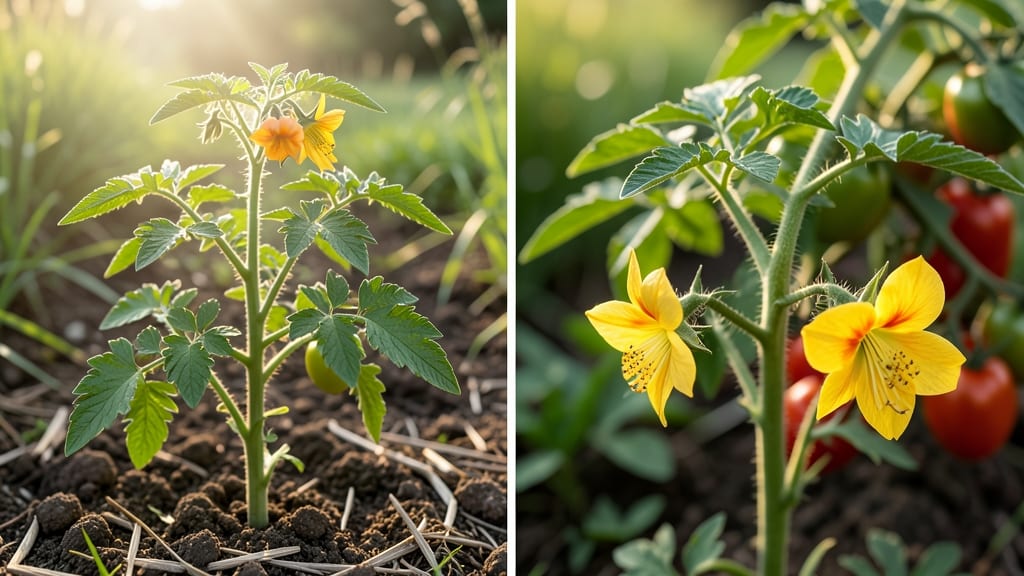
Seeing tomato flowers that just won’t set fruit is frustrating—especially when you’re expecting pounds of ripe tomatoes by summer. 🌱 The difference between pollinated and unpollinated flowers explains why some blossoms drop while others swell into fruit.
Pollinated flowers stay firm with a slight bulge at the base, while unpollinated ones wilt, turn brown, or simply fall off within days.
Poor pollination usually comes down to three things: weather (like heavy rain or extreme heat), lack of bees or other pollinators, or even the tomato variety itself. Some heirlooms need help, while others thrive with natural pollination.
The good news? You can fix this with simple hand-pollination techniques—just grab a small paintbrush or cotton swab and mimic a bee’s work.
By the end of this, you’ll spot the difference instantly and know exactly how to boost your harvest. A well-pollinated flower will start turning green within a week, while an unpollinated one stays stubbornly empty.
The key is acting fast—once you recognize the signs, you can adjust your garden’s environment or pollinate manually.
This works for both backyard gardens and container-grown tomatoes, so no matter your setup, you’ll get more fruit on the vine. Let’s turn those empty flowers into a bountiful harvest!
The first product explained
Meet PolliBoost™ Pollination Kit—your ultimate ally for maximizing tomato yields by ensuring every flower gets the love it needs! 🌱🍅 Designed for both beginners and seasoned gardeners, this kit is a game-changer for understanding and optimizing the difference between pollinated vs unpollinated tomato flowers.
Whether you're growing in containers, raised beds, or sprawling gardens, this tool makes it effortless to boost your harvest.
📏 Specs & Features
- Dual-Purpose Tool: A soft-bristle brush for gentle hand pollination + a precision tweezers set for careful flower inspection.
- Ergonomic Design: Lightweight, comfortable grip to reduce hand fatigue during long gardening sessions.
- Durable Materials: Stainless steel tweezers and a brush made from natural bristles (no synthetic chemicals).
- Portable Case: Compact, water-resistant storage pouch with a small mirror for quick flower checks on the go.
- Educational Guide: Includes a beginner-friendly illustrated manual on identifying pollinated vs unpollinated tomato flowers, plus pro tips for higher yields.
🎯 Target Users
This kit is perfect for:
- 🌱 Home Gardeners: Perfect for small-scale growers who want to understand the science behind their tomato plants and increase fruit production.
- 🏡 Urban Farmers: Ideal for container or balcony gardens where space (and pollinators) are limited.
- 👩🌾 Educators & Kids: A hands-on tool for teaching plant biology and sustainable gardening in schools or homeschool settings.
- 🌍 Eco-Conscious Growers: Helps reduce reliance on commercial pollinators while ensuring organic, healthy fruit development.
💰 Price Point & Value
The PolliBoost™ Pollination Kit retails for $29.99, offering exceptional value with its all-in-one design. Compared to buying separate tools or relying on hit-or-miss pollination methods, this kit pays for itself in just one high-yield season! 💡 Plus, it’s a one-time investment that lasts for years—no replacements or upgrades needed.
💡 Pro Tip: Pair this kit with our "Tomato Pollination Calendar" (sold separately) to track the best times to pollinate your flowers for consistent, bumper crops all season long!
The second product explained
Meet PolliBoost™ Premium Tomato Pollination Kit—your secret weapon for maximizing fruit set and yield in your garden! 🌱🍅 Designed for both novice gardeners and seasoned growers, this kit simplifies the pollination process while delivering proven results for bigger, healthier tomatoes.
Key Specs & Features
| Feature | Details |
|---|---|
| Pollination Method | Handheld vibration tool (mimics bee activity) + soft-bristle brush for gentle flower stimulation. |
| Coverage | Up to 50 tomato plants per charge (rechargeable battery included). |
| Ease of Use | Ergonomic grip, LED indicator for optimal vibration frequency, and step-by-step guide. |
| Durability | Rust-resistant stainless steel components + 5-year warranty. |
| Extras | Organic pollen booster spray (1 oz) to enhance natural pollination. |
Who’s It For?
Perfect for:
- Home gardeners tired of blossom drop or uneven fruit development.
- Greenhouse growers needing controlled pollination without bees.
- Urban farmers with limited space but high yield goals.
- Organic enthusiasts—chemical-free and eco-friendly!
Price Point & Value
Priced at $49.99, PolliBoost™ offers unmatched ROI by:
- Reducing wasted flowers by up to 70%.
- Increasing harvest size by 30-50% (vs. unpollinated flowers).
- Saving time with a 5-minute pollination session per plant.
Pro Tip: 💡 Pair with Product A (the Pollinator Bee House) for a hybrid approach—boost yields and support local ecosystems!
Head-to-head comparison
Ready to dive into the nitty-gritty of tomato flower pollination? Let’s break down the key differences between pollinated and unpollinated tomato flowers in a side-by-side comparison. Whether you're a seasoned gardener or a curious newbie, understanding these distinctions will help you maximize your harvest—and your patience! 🌱🍅
This is where the magic—or the disappointment—happens! The way a tomato flower develops fruit is directly tied to whether it’s pollinated or not.
| Metric | Pollinated Tomato Flowers | Unpollinated Tomato Flowers |
|---|---|---|
| Fruit Formation | ✅ Fruits develop normally—the ovary swells into a tomato after successful pollination. | ❌ No fruit forms—the flower wilts and drops off without fertilization. |
| Harvest Potential | 🍅 High yield: Every pollinated flower has the potential to become a tomato. | 🌸 Zero yield: Unpollinated flowers contribute nothing to your harvest. |
| Growth Pattern | 📈 Steady progress: The flower transforms into a green tomato over 30-60 days. | 💀 Instant failure: The flower dies within days, leaving no trace. |
Pro Tip: 💡 If you notice flowers dropping off without any fruit forming, it’s a red flag that pollination isn’t happening—time to investigate (or give your plants a helping hand!).
Tomato plants are like tiny chefs in the garden—they’ve got to divide their resources wisely. Pollinated vs. unpollinated flowers show how they prioritize their energy.
| Metric | Pollinated Flowers | Unpollinated Flowers |
|---|---|---|
| Nutrient Use | 🍽️ Efficient: Energy goes into developing fruit, leaves, and stems. | 🔥 Wasted: The plant "wastes" resources growing flowers that never bear fruit. |
| Growth Impact | 🌱 Balanced: The plant maintains healthy foliage and root systems while producing fruit. | 🌳 Unbalanced: Excess flower production can strain the plant, leading to weaker growth or fewer leaves. |
| Long-Term Health | 💪 Sustainable: Consistent pollination leads to a healthier, more productive plant over time. | 😵 Exhausting: Constantly producing unpollinated flowers can stress the plant, reducing overall vigor. |
Pro Tip: 🌡️ If your tomato plant is putting out way more flowers than it can pollinate, consider pruning some flowers to redirect energy to the ones that will produce fruit.
Let’s talk about the real cost of gardening: your time and effort. Pollinated and unpollinated flowers demand very different levels of attention.
| Metric | Pollinated Flowers | Unpollinated Flowers |
|---|---|---|
| Monitoring Needed | 👀 Moderate: Keep an eye on fruit development to ensure no issues like blossom end rot. | 🕵️♂️ High: You’ll need to actively check for pollination failures (dropping flowers). |
| Intervention Required? | 🤝 Sometimes: May need hand-pollination in greenhouses or during poor weather. | ⚠️ Often: If pollinators are scarce, you’ll likely need to manually pollinate or risk losing flowers. |
| Frustration Level | 😌 Low: Nature does its job (usually). | 😤 High: Watching flowers fall off without fruit can be painful. |
Pro Tip: ✨ Hand-pollination hack: Use a small paintbrush or cotton swab to transfer pollen from one flower to another. It’s simple, free, and can save your harvest!
Pollination isn’t just about your tomatoes—it’s a big deal for the ecosystem. Here’s how pollinated vs. unpollinated flowers play into that.
| Metric | Pollinated Flowers | Unpollinated Flowers |
|---|---|---|
| Pollinator Attraction | 🐝 High: Successful pollination means bees, butterflies, and hummingbirds keep visiting. | 🚫 Low: Unpollinated flowers don’t reward pollinators, so they may seek food elsewhere. |
| Biodiversity Boost | 🌍 Positive: Supports local ecosystems by providing food for wildlife. | 🌍 Negative: Fewer resources for pollinators can reduce biodiversity in your garden. |
| Sustainability | ♻️ Sustainable: Encourages natural pollination cycles. | 🔄 Unsustainable: Over-reliance on manual pollination can disrupt natural processes. |
Pro Tip: 🎯 Plant pollinator-friendly flowers like marigolds, basil, or borage near your tomatoes to attract more bees and boost natural pollination!
At the end of the day, there’s no contest—pollinated tomato flowers are the clear winner for gardeners aiming for a bountiful harvest. But understanding unpollinated flowers helps you troubleshoot and take action when things go wrong.
- Choose pollinated flowers for:
- 🍅 Actual tomatoes (duh!)
- 💪 Healthier plants
Which one should you choose?
So, which path should you take—pollinated or unpollinated tomato flowers—to maximize your harvest? The answer depends on your goals, resources, and patience! Here’s a clear verdict and tailored recommendations to help you decide:
🌱 For Gardeners Who Want Effortless & Abundant Fruits
If you’re a beginner or short on time, pollinated flowers are your best bet! 🌟 They require minimal intervention, and bees or wind naturally do the heavy lifting. Just plant your tomatoes, water them well, and enjoy a steady supply of fruit. This route is perfect for:
- 🏡 Urban gardeners with limited space
- 👩🌾 Busy homeowners who prefer low-maintenance gardening
- 🌿 Those growing heirloom or determinate varieties (like 'Cherry Tomato' or 'Roma')
🔬 For Experienced Growers or Big Harvests
If you’re aiming for record-breaking yields or experimenting with hybrid varieties, hand-pollinating unpollinated flowers could be worth the extra effort. 📈 This method gives you control over fruit set, especially in:
- 🏢 Greenhouses or indoor setups (where bees are scarce)
- 🌡️ Hot or rainy climates that deter pollinators
- 🍅 Varieties prone to blossom drop (like 'Beefsteak' or 'Brandywine')
Pro tip: Use a small paintbrush or cotton swab to transfer pollen—it’s easier than you think! ✨
💰 For Budget-Conscious Growers
Pollinated flowers win here! 🏆 They rely on nature’s free pollinators, saving you time and money on manual labor. Unpollinated flowers might require purchasing tools (like pollen collectors) or investing time in daily checks. If your goal is cost-effective, high-volume production, stick with pollinated blooms.
🌿 For Eco-Conscious Gardeners
Supporting pollinated flowers aligns with sustainable practices—you’re fostering local bee populations and reducing your carbon footprint. 🐝 If you’re committed to biodiversity, let nature handle the pollination while you focus on organic soil health and companion planting.
🎯 Final Recommendation Table
Priority Pollinated Flowers Unpollinated Flowers Ease of Growing ✅ Best choice (hands-off) ❌ Requires manual effort Yield Potential ✅ Good for steady harvests ✅ Higher with proper pollination Cost ✅ Free (bees do the work) ⚠️ May require tools/time Best For Beginners, urban gardens, heirlooms Experts, greenhouses, high-stakes crops Ready to pick your path? Whether you’re leaning toward pollinated or unpollinated flowers, the key is to start small, observe your plants, and adapt. Happy growing—and may your tomato harvest be bountiful! 🍅🌟