
Companion Plants
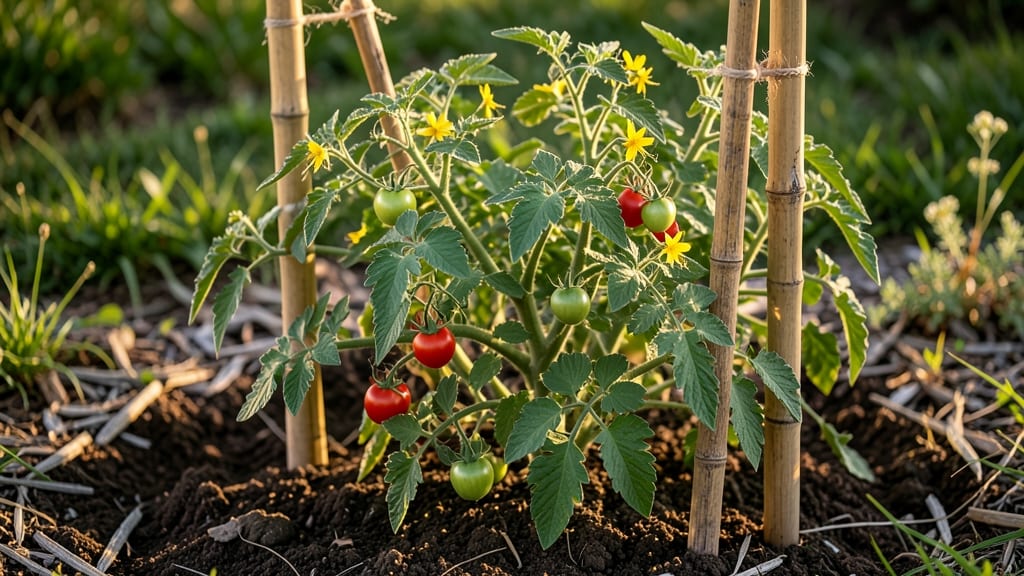
Growing Moneymaker tomato plants means 12-foot vines loaded with sweet, beefsteak-sized fruits by midsummer. 🌱 I learned the hard way that these determinate beauties need a different approach than your average cherry tomato—too much pruning stunts their growth, and weak supports lead to flopping disasters.
The secret lies in understanding their natural structure and giving them just the right support. These plants thrive when you mimic their tropical roots: rich, well-draining soil with plenty of organic matter mixed in.
I swear by a 5-gallon bucket of compost per plant at planting time, plus a balanced fertilizer every 3-4 weeks. The key is consistency—they reward patience with hundreds of pounds of fruit per plant when happy.
You’ll know you’re doing it right when vines reach your porch roof and tomatoes start appearing in clusters every 3-4 days. The flavor? Unmatched—deep, meaty, and perfect for slicing sandwiches or fresh salads. Just don’t let them touch the ground, or you’ll lose half your harvest to rot.
Perfect for gardeners with vertical space or those who love heirloom varieties. Here’s how to keep them thriving all season long—no flops, no failures, just tomato overload.
📚 In This Guide
- What you need
- Instructions
- Tips and common mistakes
- Wrapping up and next steps
What you need
- ● Moneymaker tomato seeds or seedlings: 2–4 plants (1 per 18–24" of space or 1 per cage/tower). Choose disease-resistant varieties if possible.
- ● Growing containers or garden bed: For containers: 5-gallon pots or larger (minimum 18" deep and wide). Use fabric pots or self-watering containers for better drainage.
- ● For ground planting: Well-draining soil in a sunny spot (6+ hours of sunlight daily). Amend soil with compost for fertility.
- ● High-quality potting mix: 1–2 bags (sterile, well-draining mix with compost or aged manure). Avoid garden soil to prevent disease.
- ● Tomato cages or stakes: 6–8 ft tall (for indeterminate Moneymaker varieties). Opt for sturdy metal or wooden stakes if staking.
- ● Balanced fertilizer: 10-10-10 or organic options like compost tea or worm castings. Start with a low-nitrogen blend (5-10-10) for flowering.
- ● Mulch: Straw, shredded leaves, or grass clippings (2–3 inches thick) to retain moisture and suppress weeds.
- ● Watering can or hose with a gentle spray nozzle: For deep, consistent watering (1–2 inches per week).
- ● Pruning shears: Sharp, clean pair for trimming suckers and dead leaves.
- ● Garden gloves: To protect hands from thorns and soil.
- ○ Trellis or tomato tower: For vertical growth (optional but space-saving!).
- ● Plant supports (twine or soft ties): If staking, use to secure vines gently.
- ○ Drip irrigation system: Automates watering and saves time (optional but handy for large gardens).
- ● Epsom salt (magnesium sulfate): 1 tbsp per plant monthly to prevent blossom-end rot.
- ● Row covers or shade cloth: For early-season protection from pests or late frosts.
Step-by-step guide to growing Moneymaker tomato plants
Here’s how to coax those legendary 12-foot vines into your garden with strong, healthy growth.
🌱 Step 1: Start Seeds Indoors 6-8 Weeks Before Last Frost
Fill small seed-starting pots with sterile seed-starting mix and moisten until damp but not soggy. Plant 2-3 seeds per pot at a depth of about ¼ inch, then cover lightly with more mix. Moneymaker tomatoes germinate best in warm soil—keep the pots in a spot where temperatures stay between 70-80°F.
Once you see sprouts (usually within 7-10 days), thin to the strongest seedling per pot. Place the pots under a grow light for 14-16 hours daily to prevent leggy growth. You’ll know your seedlings are thriving when they develop true leaves (the second set after the initial cotyledons) and have sturdy stems.
☀️ Step 2: Transplant Seedlings Outdoors After Hardening Off
About 2 weeks before your last frost date, begin hardening off your seedlings by placing them outside in a sheltered spot for 1-2 hours the first day. Gradually increase their outdoor time over 7-10 days, letting them adjust to wind and sun. Moneymaker tomatoes are sensitive to cold, so don’t rush this step—you’ll see wilting or yellowing if they’re not ready.
When nighttime temperatures stay above 50°F and all frost risk has passed, transplant your seedlings into the garden. Space them 18-24 inches apart in rows 3-4 feet apart to give those vines room to climb. Bury the stems slightly deeper than they were in their pots—this encourages stronger root growth.
🪴 Step 3: Set Up a Sturdy Trellis or Cage Immediately
Moneymaker tomatoes are indeterminate, meaning they’ll keep growing until frost—so install a 6-8 foot tall trellis or cage right after transplanting. I use a heavy-duty tomato tower made of galvanized wire or sturdy bamboo stakes tied with twine. Secure the trellis firmly; these vines can weigh 20+ pounds when fully loaded with fruit.
Gently tie the main stem to the trellis as it grows, using soft plant ties or strips of old T-shirt fabric. Avoid tying too tightly—you want to support the plant without restricting its growth. Prune suckers (the small shoots that form in the leaf axils) regularly to direct energy into fruit production. You’ll see the plant’s strength in how quickly it climbs and how many flowers form.
💧 Step 4: Water Deeply and Consistently for Maximum Yield
Moneymaker tomatoes need 1-2 inches of water per week, delivered at the base of the plant rather than overhead. Water deeply in the morning so the foliage has time to dry before evening—this prevents fungal diseases like blight. You’ll know your watering is right when the soil feels damp 6 inches down and the plants don’t wilt during the day.
Mulch around the base with 2-3 inches of organic mulch to retain moisture and keep roots cool. Avoid letting water splash onto leaves, and remove any lower leaves that touch the soil to reduce disease risk. Fertilize lightly with a balanced tomato fertilizer every 3-4 weeks once flowers appear, but don’t overdo it—too much nitrogen leads to leafy growth at the expense of fruit.
✂️ Step 5: Prune and Harvest for Continuous Production
Prune suckers (the shoots that grow between the main stem and branches) regularly to keep the plant focused on fruit. Remove any leaves that show signs of disease, and pinch off the first few flowers if your plant is still small—this helps it build strength before heavy fruiting. You’ll see the plant’s energy shift when it starts setting fruit consistently, usually 6-8 weeks after transplanting.
Harvest tomatoes when they’re fully colored and slightly soft to the touch. Moneymaker tomatoes ripen from the bottom up, so pick them as they ripen to encourage more fruit to form. Store unripe tomatoes in a cool, dark place to finish ripening—this variety holds its flavor well even after picking. With proper care, you’ll enjoy a steady harvest from mid-summer until frost.
Tips & tricks for growing Moneymaker tomato plants
Here's what I've learned from years of growing these towering beauties—tricks that'll help you avoid common pitfalls and get the most out of your Moneymaker vines.
Seed Starting Wisdom: Don't be tempted to plant more than 2-3 seeds per pot—crowding leads to weak, leggy seedlings. I've learned this the hard way after dealing with stunted plants. Once your sprouts appear in 7-10 days, keep only the strongest one per pot. You'll notice the winner by how quickly it develops those true leaves—those are your first real leaves, not the initial seed leaves.
Hardening Off Strategy: The 2-week hardening off period is crucial, especially for Moneymaker tomatoes which are sensitive to cold. Start with just 1-2 hours on day one, then gradually increase. I watch for wilting or yellowing as my signal—those are clear signs the plant isn't ready. Remember, the goal is to prepare them for outdoor conditions, not shock them. If nighttime temps drop below 50°F, delay transplanting until conditions improve.
Trellis Support System: That 6-8 foot trellis isn't just for looks—it's essential for supporting the 20+ pounds these vines can weigh when fully loaded. I've had trellises collapse under the weight, so make sure yours is sturdy. Use soft plant ties (I like strips of old T-shirts) and tie the main stem every 12 inches as it grows. The key is gentle support—the ties should hold the plant without restricting its growth. You'll see the difference in how quickly your plant climbs when properly supported.
Watering Technique: The 1-2 inches of water per week should be delivered directly at the base, never overhead. I've seen fungal diseases like blight ruin entire plants from overhead watering. Water in the morning so foliage dries before evening, and check that soil is damp 6 inches down. A simple way to test is to stick your finger in—if it comes out dry, it's time to water. Mulching with 2-3 inches of organic material helps maintain that moisture level while keeping roots cool.
Pro Tips for Moneymaker Tomato Plants
- Here's what I've learned from years of growing these towering beauties—tricks that'll help you avoid common pitfalls and get the most out of your Moneymaker vines.
- Seed Starting Wisdom: Don't be tempted to plant more than 2-3 seeds per pot—crowding leads to weak, leggy seedlings.
- Hardening Off Strategy: The 2-week hardening off period is crucial, especially for Moneymaker tomatoes which are sensitive to cold.
Frequently asked questions
How tall do Moneymaker tomato plants really get?
Moneymaker tomatoes are famous for their towering growth, often reaching 8–12 feet (or more!) with proper support. Without a cage or trellis, they’ll sprawl, risking disease and lower yields. Pro tip: Use a sturdy tomato tower or bamboo stakes to guide their vertical growth and maximize fruit production!
When should I plant Moneymaker tomatoes for the best harvest?
Start seeds 6–8 weeks before your last frost date (indoors) for transplanting after warm soil temps (at least 55°F) arrive. In most U.S. zones, this means March–May. For container growers, wait until nighttime temps stay above 50°F to avoid chilling stress. Bonus: Succession planting every 2 weeks extends your harvest!
Why aren’t my Moneymaker tomatoes fruiting—just leaves?
Overgrowth is common! This variety prioritizes vine expansion over fruit early on. Prune aggressively by removing suckers (shoots in leaf axils) and top the plant at 4–5 feet to redirect energy to flowers/fruit. Also check for:
- Sunlight: 6+ hours daily (they’re sun-hungry!).
- Water: Deep water 1–2 inches/week (drought stress delays fruiting).
- Fertilizer: Switch to low-nitrogen, high-phosphorus feed (like 5-10-10) when flowers appear.
What’s the best companion plant for Moneymaker tomatoes?
Moneymaker tomatoes thrive with companion plants that repel pests or improve soil. Try:
- Marigolds (deter nematodes and aphids).
- Basil (boosts flavor and deters flies).
- Onions/garlic (confuse tomato hornworms).
Pro tip: Interplant with bush beans—they fix nitrogen while climbing the tomato’s support!
Can I grow Moneymaker tomatoes in containers?
Choose a 5-gallon+ container (bigger = more fruit) with drainage holes. Use a lightweight potting mix (add perlite for aeration) and a time-release fertilizer. Since container plants dry out faster, water daily in hot weather and stake them early—they’ll need extra support. Bonus: Black containers absorb heat, speeding up ripening!
How do I prevent common pests on Moneymaker tomatoes?
Moneymaker’s lush foliage attracts pests like hornworms, aphids, and whiteflies. Try these organic fixes:
- Handpick hornworms (they’re camouflaged—look for black stripes!).
- Spray neem oil (deters soft-bodied pests like aphids).
- Encourage ladybugs (natural aphid predators).
- Mulch heavily to deter slugs/snails.
For disease prevention (like blight), avoid wetting leaves when watering and prune for airflow. Caution: Remove yellow/diseased leaves immediately to stop spread!
Wrapping up and next steps
Growing Moneymaker tomato plants is a rewarding adventure that turns your garden into a lush, productive paradise! With their 12-foot height potential and prolific yields, these vines deliver both beauty and bounty—perfect for home cooks, canners, or even small-scale sellers.
Whether you’re a seasoned gardener or a beginner, the key lies in proper support, companion planting, and patience—and the results? Fresh, juicy tomatoes straight from your backyard!
Ready to take the next step? Start by sketching your garden layout—place your Moneymakers near basil, marigolds, or onions for a thriving, pest-resistant setup. Then, grab those stakes, trellises, and seeds, and let the growing begin! 🌱✨