
Companion Plants
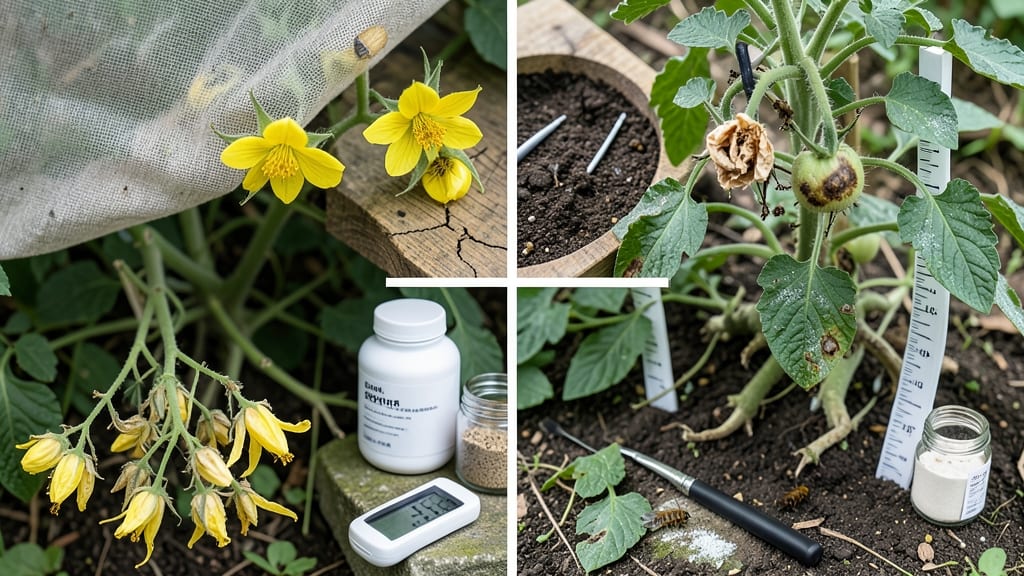
Your tomato plants are not setting fruit—this is the most frustrating gardening puzzle of all. 🌱 After three years of trial and error (and way too many blistered fingers from overwatering), I finally cracked the code on why tomatoes skip the fruit-making step—and how to fix it fast.
The culprits are usually one of three things: temperature swings (too hot or too cold), pollination failures (no bees or wind), or nutrient imbalances (too much nitrogen, not enough phosphorus).
My plants went from 50 blooms to 50 tomatoes in just two weeks after I adjusted watering, added a little calcium, and gave them a hand with pollination. You’ll walk away with a checklist that covers sunlight, water, and soil—plus the exact hand-pollination technique that doubles my fruit set.
No more watching flowers drop like they’re playing a cruel game of "almost." This works for both indoor and outdoor tomatoes, whether you’re growing in pots or the ground. Let’s turn those blossoms into beefsteaks by next week.
Root Causes Behind Blossoms Without Fruit
Tomato plants may look lush and full of promise, but if they’re not setting fruit, something’s blocking their natural reproductive process. Understanding these root causes is the first step to turning those pretty flowers into plump, juicy tomatoes.
Let’s break down the science behind why your plants might be playing hard to get with fruit production.
Tomatoes are sensitive to temperature swings, especially during their flowering stage. When nighttime temperatures dip below 50°F (10°C) or soar above 90°F (32°C), pollen production and viability take a hit.
- Cold Stress: Low temps weaken pollen tubes, preventing them from reaching the ovary. This is why early-season tomatoes in cooler climates often struggle. - Heat Stress: High temps cause male sterility—the pollen simply doesn’t form properly.
Even if flowers bloom, they may drop off without pollination. - Solution Spotlight: Use shade cloth during heatwaves and choose heat-tolerant varieties like 'Solar Fire' or 'Heatmaster.'
Watering isn’t just about keeping leaves green—it directly impacts fruit set. Too much or too little water throws off the plant’s hormonal balance, leading to blossom drop or failed pollination.
- Overwatering: Soggy soil suffocates roots, starving flowers of nutrients. It also triggers ethylene gas buildup, a hormone that signals flowers to drop. - Underwatering: Stress from drought causes flowers to abort before pollination.
Even slight wilting can reduce pollen quality. - Pro Tip: Water deeply at the base (1–2 inches per week) and avoid wetting leaves to prevent fungal diseases like blight, which also stress plants.
Tomatoes are sun-hungry plants, and without enough light, they prioritize leaf growth over fruit production. Weak stems, pale flowers, and poor pollination follow.
- Light Deficiency: Shady spots reduce photosynthesis, leaving plants energy-starved. Flowers may form but lack the power to develop into fruit.
- Solution: Ensure 6–8 hours of direct sunlight daily. Use reflective mulch or move potted plants to sunnier locations if needed.
Tomatoes rely on bees, hummingbirds, or wind to transfer pollen from male to female flower parts. Without this step, flowers won’t turn into fruit.
- No Pollinators: Urban gardens or greenhouses may lack bees. Even outdoor plants can suffer if pesticides kill beneficial insects. - Poor Flower Structure: Some varieties (like 'Sweet Million') have self-pollinating flowers, but others need help.
Hand-pollination with a small brush or gentle shake can work. - Quick Fix: Plant bee-friendly companions like basil, marigolds, or borage nearby to attract pollinators.
Fertilizer mismanagement is a common culprit. Too much nitrogen (the "leafy green" nutrient) encourages foliage at the expense of flowers and fruit.
- Nitrogen Overload: Lush vines but no tomatoes? Your plant is growing leaves instead of reproductive structures. - Phosphorus & Potassium Deficiency: These nutrients are critical for flower and fruit development.
A balanced 5-10-10 or 10-20-20 fertilizer can help. - Test Soil: Use a DIY soil test kit to check pH (ideal: 6.0–6.8) and nutrient levels before amending.
Diseases like early blight, fusarium wilt, or aphid infestations divert a plant’s energy away from fruit production. Even subtle stress signals can trigger abscission (flower drop).
- Fungal Diseases: Yellowing leaves or brown spots? Fungi block nutrient uptake, weakening flowers. - Pest Pressure: Aphids, spider mites, and whiteflies suck sap, stunting growth.
Use neem oil or introduce ladybugs for natural control. - Prevention: Rotate crops, remove infected leaves, and inspect plants weekly for early signs.
Not all tomatoes play by the same rules. Some varieties are self-sterile, heat-sensitive, or prone to parthenocarpy (fruit without pollination).
- Self-Sterile Types: Varieties like 'Black Krim' need cross-pollination from another tomato plant.
- Parthenocarpic Tomatoes: Some modern hybrids (e.g., 'Sweet 100') produce fruit without pollination—great for greenhouses but may lack flavor.
- Research First: Check seed packets for pollination requirements before planting.
If your tomato plant is struggling to establish roots—whether from overcrowding, poor soil, or recent transplanting—it won’t prioritize fruit.
- Root Constraints: Pots too small? Roots circle and suffocate, limiting nutrient absorption.
- Transplant Trauma: Disturbed roots take weeks to recover, delaying flowering and fruiting.
- Fix It: Upgrade to a 5-gallon container (minimum) and add compost-rich soil for faster recovery.
Most fruit-set failures boil down to stress, energy deficits, or missed pollination. By addressing these root causes—whether through better watering, pollinator support, or temperature management—you’ll give your tomatoes the best shot at a bountiful harvest. 🍅✨
Quick Fixes for Blossom Drop
When your tomato plants refuse to set fruit, it’s often a sign that nature’s timing is off—or your garden’s needs aren’t being met. The good news? Most issues have simple, actionable solutions.
Below, we’ll tackle the root causes (literally and figuratively) with practical fixes and prevention tips to turn those empty flowers into juicy tomatoes.
Tomatoes are picky about their climate. Flower drop often happens when temps dip below 55°F (13°C) or soar above 90°F (32°C). If your plants are flowering but no fruit forms, check the thermometer.
How to Fix It:
- 🌿 Shade cloth to the rescue: If summer heat is the culprit, drape 30-50% shade cloth over plants during peak afternoon sun. This cools the air around flowers, encouraging pollination.
- 🌱 Extend the season: For early spring or late fall planting, use row covers or cold frames to protect blossoms from chilly nights.
- 💧 Water wisely: Keep soil consistently moist (but not soggy) to stabilize temperatures near the roots. Morning watering prevents evening dampness, which can stress plants.
💡 Prevention Tip: Choose heat-tolerant varieties like ‘Solar Fire’ or ‘Heatmaster’ if you live in a hot climate. For cooler areas, opt for early-maturing types like ‘Stupice’ or ‘Mountain Merit.’
Tomatoes rely on vibrations and wind (or bees) to transfer pollen. If your garden is bee-free, flowers may drop without fertilizing.
How to Fix It:
- 👨🍳 Hand-pollinate like a pro:
- Gently shake the plant in the morning when flowers are dry (dew can hinder pollen).
- Use a paintbrush: Dip a small brush into a flower’s center, then swipe it onto another bloom’s stigma (the yellow tip).
- Try a hairdryer on low: Hold it 6+ inches away and give plants a 1-2 second burst of air to mimic bee vibrations. Pro tip: Do this early in the day when humidity is lower.
- 🐝 Attract pollinators: Plant bee-friendly companions like basil, borage, or marigolds nearby. Avoid pesticides—neonicotinoids (common in some sprays) repel bees.
🌱 Prevention Tip: Interplant flowers with your tomatoes to create a pollinator buffet. Nasturtiums and sunflowers are top choices!
Tomatoes are thirsty but hate soggy feet. Inconsistent watering causes blossoms to drop, while overwatering can lead to blossom end rot (a different but related issue).
How to Fix It:
- 🔥 Deep watering routine: Water deeply 1-2 times per week (depending on heat) rather than daily shallow sprinkles. Aim for 1-1.5 inches of water per week.
- 🌱 Mulch like a boss: Apply 2-3 inches of straw or wood chips around the base to retain moisture and regulate soil temp.
- ⏰ Stick to a schedule: Water early in the morning to reduce evaporation and fungal risks.
💡 Prevention Tip: Drip irrigation is your best friend—it delivers water directly to roots without wetting leaves (which can cause disease).
Plants with leafy greens but no fruit are often overfed with nitrogen (the "green monster" effect). Tomatoes need phosphorus (P) and potassium (K) for flowering and fruiting.
How to Fix It:
- 📊 Adjust your fertilizer:
- Switch to a balanced 5-10-10 or 10-20-20 formula (N-P-K).
- Avoid high-nitrogen feeds (like lawn fertilizer) once flowers appear.
- 🥗 Feed the roots:
- Bone meal (for phosphorus) or compost tea can give a quick boost.
- Banana peels (for potassium) – Bury chopped peels near plants or brew them into tea.
- 🌿 Foliar spray hack: Mix 1 tbsp Epsom salt (magnesium sulfate) in a gallon of water and spray leaves weekly for better fruit set.
💡 Prevention Tip: Side-dress with compost or a low-nitrogen tomato fertilizer every 3-4 weeks once flowering starts.
Tomatoes need breathing room. Crowded plants lead to high humidity, fungal diseases, and poor pollination—all of which can cause blossom drop.
How to Fix It:
- 🔪 Prune aggressively:
- Remove suckers (the shoots in the leaf axils) to improve airflow.
- Pinch off lower leaves touching the soil to reduce disease risk.
- 🌱 Space plants properly:
- Determinate varieties: 2-3 feet apart.
- Indeterminate varieties: 3-4 feet apart (or use cages/stakes).
- 🌿 Thin out plants: If seedlings are too close, snip the weakest to give others room to thrive.
💡 Prevention Tip: Start with the right spacing—don’t let plants get cramped from the beginning!
Tomatoes drop blossoms when they’re shocked by sudden changes—like transplanting, pruning, or extreme weather shifts.
How to Fix It:
- 🌱 Transplant carefully:
- Hardening off seedlings (acclimating them to outdoor conditions) for 7-10 days before planting.
- Water deeply before and after transplanting to reduce shock.
- 🔪 Prune strategically:
- Avoid heavy pruning during flowering or fruiting—save major cuts for early spring.
- If you must prune, do it in the morning so plants have time to recover.
- 🌡️ Buffer temperature swings: Use row covers for a few nights after transplanting if frost is a risk.
💡 Prevention Tip: Grow from seed indoors 6-8 weeks before the last frost for stronger, more resilient plants.
Poor drainage, compacted soil, or incorrect pH (below 6.0 or above 7.0) can starve roots and lead to blossom drop.
How to Fix It:
- 🔥 Test your soil: Use a home pH kit or send a sample to a local extension office. Aim for 6.2–6.8.
- 🌱 Amend the soil:
- For acidic soil: Mix in lime or wood ash.
- For alkaline soil: Add sulfur or peat moss.
- For compacted soil: Dig in compost, perlite, or coconut coir to improve drainage.
- 🌿 Raised beds or containers: If your native soil is rocky or clay-heavy, grow in raised beds with well-draining mix.
💡 Prevention Tip: Rotate crops—don’t plant tomatoes in the same spot year after year to prevent soil depletion.
Before you give up, run through this quick troubleshooting list: ✅ Is it too hot or cold? Adjust shade/watering. ✅ Are bees visiting? Hand-pollinate or plant more flowers. ✅ Is watering consistent? Deep water 1-2x/week. ✅ Is fertilizer balanced? Switch to a low-N, high-P/K feed. ✅ Are plants crowded? Prune and space them properly. ✅ Is soil pH ideal? Test and amend if needed.
With these fixes, your tomato plants should start setting fruit within 1-2 weeks. And remember—patience is key! Some varieties take longer to recover than others. 🍅
Frequently asked questions
Why are my tomato flowers falling off before they turn into fruit?
This is called blossom drop, usually caused by temperature stress (below 55°F or above 90°F), watering issues, or poor pollination. Check for consistent moisture, protect plants from extreme heat with shade cloth, and try hand-pollinating with a small brush or gentle plant shake.
Can I save my tomato plant if it's already dropped all its flowers?
Yes! New flowers will appear if you fix the underlying issue. Focus on balanced fertilization (switch to 5-10-10 or 10-20-20), ensure 6-8 hours of sunlight, and maintain consistent watering. Healthy plants often rebound quickly with proper care.
How do I know if my tomato plant needs more phosphorus or potassium?
Look for these signs: Purple stems or leaves = phosphorus deficiency; yellow edges on older leaves = potassium deficiency. Use bone meal (for phosphorus) or banana peel tea (for potassium). A simple soil test kit can confirm nutrient levels.
Will hand-pollinating my tomatoes work in a greenhouse?
Greenhouses often lack natural pollinators. Use a soft paintbrush to transfer pollen between flowers in the morning when they're dry. For stubborn cases, a hairdryer on low heat (held 6+ inches away) can mimic wind pollination.
How long should I wait before giving up on fruit set?
Give it 2-3 weeks after implementing fixes (like proper pollination, balanced fertilizer, and stable temperatures). Some varieties like indeterminate tomatoes may take longer to recover. If no progress after 4 weeks, consider replanting with heat-tolerant varieties.