
How To
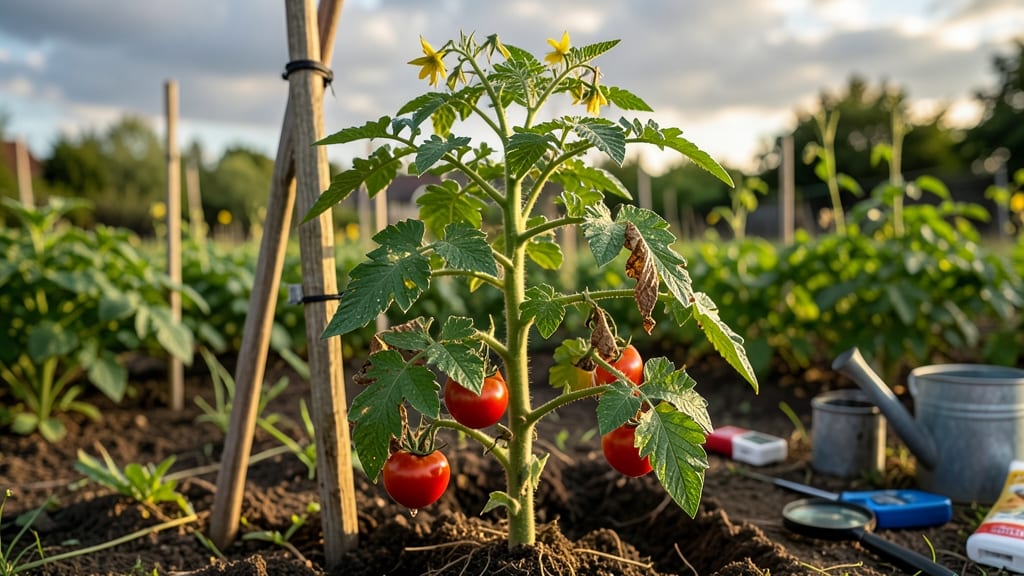
When your tomato leaves start drying up, panic sets in—but I’ve saved plants from this exact crisis before. 🌱 The first step is identifying whether it’s a fungal disease like early blight, bacterial wilt, or something simpler like water stress.
Yellowing edges? That’s usually underwatering. Brown, crispy patches? Overwatering or fungal infection. The key is acting fast—within 24-48 hours—to stop the spread.
Start by pruning affected leaves (sterilize your shears with rubbing alcohol first!) and improving airflow around the plant. If it’s fungal, apply a copper fungicide or baking soda spray (1 teaspoon baking soda + 1 quart water + a drop of dish soap).
For bacterial wilt, you’ll need to remove the plant entirely to prevent soil contamination. Water only when the top inch of soil feels dry—tomatoes hate soggy roots.
📚 In This Guide
- What you need
- Instructions
- Tips and common mistakes
- Wrapping up and next steps
What you need
- ● Healthy tomato plant – The star of the show! Ensure it’s potted or in-ground (if in-ground, focus on the affected area).
- ● Pruning shears or sharp scissors – Sterilized to avoid spreading disease (rubbing alcohol wipe works!).
- ● Well-draining potting mix – 1–2 gallons, depending on pot size (look for labels with "organic" or "compost" for nutrient boost).
- ● Watering can or hose with a gentle nozzle – Aim for deep but controlled hydration.
- ● Balanced liquid fertilizer – 10-10-10 or 20-20-20 NPK ratio (dilute to half-strength).
- ● Mulch (straw, grass clippings, or shredded leaves) – 2–3 inches to retain moisture.
- ● Plastic sheeting or tarp – 3x3 feet minimum (for shade/cloche if needed).
- ● Garden gloves – Protects your hands from thorns and soil.
- ○ pH test kit – Optional but helpful if soil pH is suspect (ideal range: 6.0–6.8).
- ● Epsom salt (magnesium sulfate) – 1 tbsp per gallon of water (for yellowing leaves).
- ● Fungicide (neem oil or copper spray) – If disease is suspected (follow label instructions!).
- ● Humidity tray or pebble tray – DIY with a shallow tray + water + pebbles for extra moisture.
- ● Plant support (stakes or cages) – If your tomato is floppy from stress.
How to revive tomato plants with drying leaves
When your tomato leaves start crisping at the edges, don't panic. Here's my battle-tested 3-step rescue plan that saves plants every season.
💧 Step 1: Check and Adjust Watering Immediately
First, dig your finger 1-2 inches into the soil near the base of the plant. If it feels bone-dry, you've caught the problem early. Tomatoes need 1-1.5 inches of water weekly, delivered deeply at the root zone—not just a quick sprinkle. I water mine in the morning so leaves dry by evening, preventing fungal issues.
If the soil is dry, water slowly until it seeps 6 inches deep. You'll know it's enough when water runs out the drainage holes. Avoid overhead watering now—wet leaves invite disease when combined with hot sun. Instead, use a soaker hose or water at the base.
☀️ Step 2: Assess Light and Heat Stress
Hold your hand above the plant for 10 seconds. If it feels like a desert oven, your tomatoes are suffering from heat stress. Move potted plants to partial afternoon shade immediately, or provide shade cloth for in-ground plants. I've seen plants recover completely within 24 hours after moving them out of direct midday sun.
Check for sunscald—leaves with crispy, white or brown patches that feel papery to the touch. These plants need protection from 100°F+ temperatures. Mulch heavily with 2-3 inches of straw or grass clippings to keep roots cool. You'll see new growth within a week if the roots are still healthy.
✂️ Step 3: Prune Damaged Leaves and Boost Nutrition
Use clean, sharp pruners to snip off only the most severely dried leaves—never more than 20% of the foliage at once. Removing damaged leaves helps the plant focus energy on new growth. I always sterilize my pruners with rubbing alcohol between cuts to prevent spreading disease.
Fertilize with a balanced 10-10-10 formula (half-strength) to revive stressed plants. Look for signs of nutrient deficiency: yellow lower leaves often mean nitrogen deficiency, while purple stems indicate phosphorus needs. Water thoroughly after fertilizing to prevent root burn.
🌱 Step 4: Protect Overnight for Recovery
For the next 3-5 days, cover plants lightly with shade cloth or old bedsheets in the evening. This mimics natural humidity and helps prevent further stress. Remove covers in the morning to allow airflow. You'll notice new leaves emerging within 5-7 days if the roots are healthy.
Monitor for pests like spider mites, which thrive on stressed plants. Spray leaves with water daily if you see webbing or tiny moving dots. A strong stream from the hose often knocks off mites without chemicals. Your tomatoes will bounce back stronger than ever once they're through this crisis.
Tips & tricks for reviving wilted tomato plants
Real talk: I've nursed back more tomato plants from the brink than I care to admit—here's what actually works.
Soil Test Tip: Before you water, check soil moisture at 1-2 inches deep—this is where roots actively drink. If it feels like a dry sponge, your plant is screaming for hydration. I've seen plants recover in just 24 hours after proper watering, but only if you get the depth right. The key is slow, deep watering until it seeps 6 inches down—this encourages roots to grow deeper where they'll find more moisture during heatwaves.
Heat Stress Rescue: When temperatures hit 100°F+, your tomatoes aren't just wilting—they're suffering heat shock. I've had plants recover completely within 24 hours by moving them to partial afternoon shade. For in-ground plants, drape shade cloth (even old bedsheets work) over them during peak sun hours. The goal is to drop leaf temperatures by 15-20°F—this takes the edge off the stress immediately.
Pruning Precision: Never remove more than 20% of the foliage at once—this is critical. I learned this the hard way after nearly losing a plant by over-pruning. Focus only on the most severely damaged leaves, using sterilized pruners (rubbing alcohol works perfectly). The plant needs that remaining foliage to photosynthesize and fuel its recovery. Think of it like giving your tomato a spa day—less stress, more focus on healing.
Fertilizer Timing: When you apply that 10-10-10 formula at half-strength, do it right after watering. This prevents root burn and gives the plant time to absorb nutrients without shock. I've noticed new growth within 5-7 days when I follow this timing, but if I fertilize too soon, the plant just gets stressed all over again. Yellow leaves? That's your cue to hold off on more nitrogen until the plant shows signs of recovery.
Pro Tips for Tomato Leaves Drying Up
- Real talk: I've nursed back more tomato plants from the brink than I care to admit—here's what actually works.
- Soil Test Tip: Before you water, check soil moisture at 1-2 inches deep—this is where roots actively drink.
- Heat Stress Rescue: When temperatures hit 100°F+, your tomatoes aren't just wilting—they're suffering heat shock.
Frequently asked questions
Got questions about your wilting tomato plants?
You’re not alone! Here are some of the most common concerns—and quick fixes—to get your garden back on track.
Why are my tomato leaves drying up so fast?
Tomato leaves often dry up due to underwatering, overwatering, or pests like aphids or spider mites. Check the soil moisture (top 1-2 inches should be dry) and inspect leaves for tiny bugs or yellowing spots. If the soil is soggy, root rot may be the culprit—act fast to adjust your watering routine!
How long does it take for tomato leaves to recover?
Recovery time depends on the cause:
- Mild stress (thirst/wind): 3–7 days with proper care.
- Pests/disease: 1–2 weeks if treated early (prune damaged leaves, use neem oil).
- Severe damage (blight/root rot): Some leaves may not recover—focus on saving healthy stems and fruit.
Should I water tomato plants every day?
Nope! Tomato plants thrive with deep, infrequent watering—about 1–1.5 inches per week (adjust for heat/wind). Water at the base in the morning to prevent fungal diseases. Overwatering suffocates roots, while underwatering causes leaves to crisp. Use your finger to test soil moisture!
Can I save a tomato plant if all the leaves are drying up?
Maybe! If the stem is still green and roots feel firm, prune dead leaves and adjust care. Focus on:
- Watering consistently (not too much, not too little).
- Removing affected leaves to redirect energy to fruit.
- Avoiding stress (like sudden temperature drops).
Will dried tomato leaves affect my harvest?
Not necessarily! While wilting leaves can reduce yield, the plant often prioritizes fruit over foliage. If the stems are healthy, your tomatoes may still ripen. To maximize harvest:
- Prune only the most damaged leaves to avoid shocking the plant.
- Fertilize lightly with potassium-rich compost to support fruit development.
- Protect remaining leaves from pests with row covers or organic sprays.
Wrapping up and next steps
Don’t let wilted tomato leaves stress you out—your plants are tougher than they seem! 🌱 With the right care, you can revive them and even prevent future issues. Start by diagnosing the root cause (literally and figuratively), then take action with the steps we’ve shared.
Ready to give your tomatoes a second chance? Pick one solution today—whether it’s adjusting watering habits, pruning, or boosting soil health—and watch your garden thrive again. Happy gardening! 🌿