
How To
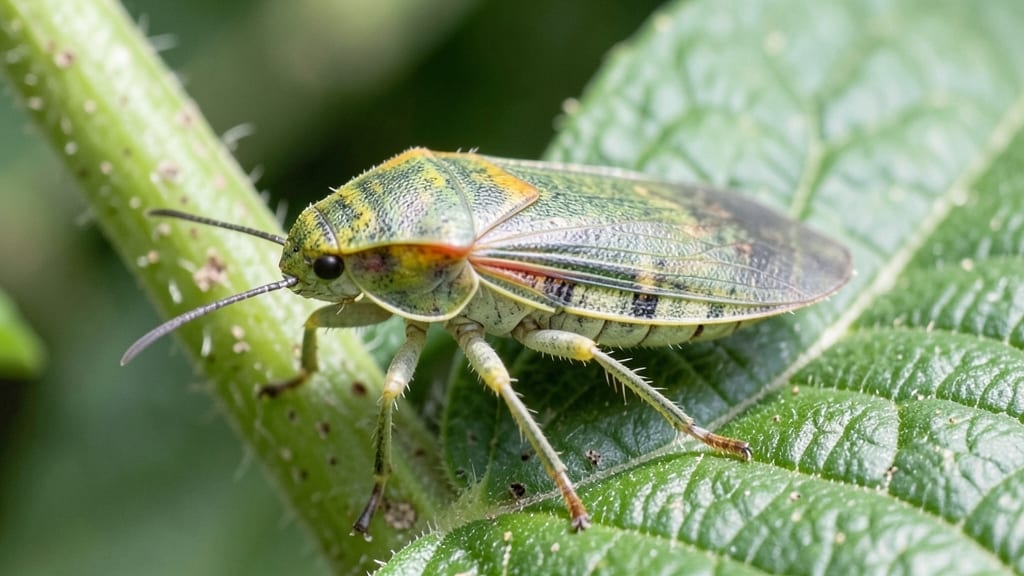
Spotting tomato pests early saves your harvest—and your sanity. 🌱 These labeled images show the most common tomato bugs (aphids, hornworms, whiteflies) and exactly how they attack your plants, so you can act before damage gets out of control.
Each pest has a telltale look: aphids cluster on undersides, hornworms strip leaves overnight, and whiteflies flutter when you shake plants. Knowing what to look for means you catch problems when they’re still small—before your tomatoes turn into a bug buffet.
You’ll learn quick fixes like blasting aphids with water or handpicking hornworms (yes, really), plus when to call in reinforcements like beneficial insects. No more guessing what’s eating your plants—just clear, actionable ID tips. Perfect for gardeners who want to protect their harvest without chemicals.
Here’s your visual cheat sheet to keep those bugs in check!
Root Causes Of Tomato Bug Infestations
Understanding why tomato pests appear in your garden is half the battle—because once you know the why, you can tackle the how with precision. Below, we break down the key factors driving these unwanted visitors, from environmental triggers to human habits that accidentally invite them.
Tomatoes thrive in space, but when plants grow too close together, they create the perfect conditions for pests like aphids, whiteflies, and spider mites. Here’s why:
- Reduced Airflow 🌬️: Dense foliage traps moisture, creating a humid microclimate that pests love. High humidity slows plant drying, making them more vulnerable to fungal diseases—and pests that feed on weakened plants. - Sheltered Havens 🏠: Overcrowding provides hiding spots for eggs and larvae.
For example, hornworms (those striped caterpillars) blend into thick leaves, making them harder to spot until they’ve already devoured half your plant. - Nutrient Competition 🍽️: Stressed plants produce less sugar in their leaves, but pests still flock to them.
Why? Because crowded tomatoes often have softer, more tender growth—an all-you-can-eat buffet for chewers like stink bugs and tomato fruitworms.
Actionable Fix:
- Space tomato plants 18–24 inches apart (or follow your variety’s specific needs).
- Prune suckers and yellowing leaves to improve airflow.
- Use stakes or cages to elevate plants and reduce ground-level pest access.
Water is life—but poor watering habits can drown your tomatoes and their biggest fans: soft-bodied insects. Here’s how H₂O backfires:
- Overhead Watering 💦: Splashing water onto leaves (especially in the evening) creates a sticky film that attracts aphids, whiteflies, and fungus gnats.
These pests thrive in damp conditions and often bring fungal diseases as hitchhikers. - Underwatering Stress 🌵: Drought-stressed tomatoes produce more nectar-rich leaves, which lure sap-sucking pests like tomato psyllids.
Their sticky honeydew then attracts ants, which "farm" the pests for their sugary secretions. - Poor Drainage 🚰: Waterlogged soil weakens roots, making plants easier targets for cutworms and root-knot nematodes. These soil-dwelling pests thrive in soggy conditions and can decimate your crop before you even notice.
Actionable Fix:
- Water at the base using drip irrigation or soaker hoses—avoid wetting foliage.
- Water deeply but infrequently (1–1.5 inches per week) to encourage strong root growth.
- Improve soil drainage with compost or raised beds if your garden holds excess moisture.
Pests don’t just appear out of nowhere—they’re often drawn by last year’s leftovers. Here’s how debris and residue become pest party invitations:
- Old Plant Debris 🍂: Leaving pruned leaves, fallen fruit, or dead vines in the garden creates hiding spots for egg-laying pests like tomato hornworms and colorado potato beetles.
Many overwinter in garden litter, emerging stronger in spring. - Weeds as Pest Hotels 🌿: Weeds like nightshade and purslane (common in tomato beds) host tomato fruitworms and stink bugs.
These "volunteer" plants provide food and shelter for pests before they move to your tomatoes. - Fertilizer Overload 💥: Too much nitrogen (especially synthetic fertilizers) produces soft, tender growth that pests adore. It also attracts slugs and snails, which then create entry points for secondary pests.
Actionable Fix:
- Clean up thoroughly after harvest—remove all plant debris and compost it far from your garden (or solarize it).
- Mulch strategically with straw or grass clippings (but keep it 2–3 inches away from stems to prevent rot).
- Rotate crops annually to starve soil-borne pests like nematodes and fusarium wilt.
A healthy garden is a team sport—but when natural predators disappear, pests take over. Here’s how human interference tips the scales:
- Pesticide Overuse 🚫: Broad-spectrum chemicals (like neonicotinoids) kill beneficial insects first—ladybugs, lacewings, and parasitic wasps that hunt tomato pests. Without them, aphid populations can explode overnight. - Monoculture Planting 🌱🌱🌱: Growing only tomatoes (or other nightshades like peppers) removes diversity, which pests hate.
Monocrops offer endless food sources, while diverse gardens confuse and dilute pest populations. - Lack of Pollinators 🐝: While bees help tomatoes reproduce, their absence can lead to stressed plants that produce fewer flowers—and pests like tomato pinworms target weak blooms.
Actionable Fix:
- Encourage predators with dill, fennel, or marigolds (they attract ladybugs and lacewings).
- Use targeted sprays (like neem oil or insecticidal soap) only when pests appear, and never during bloom.
- Plant companion flowers (e.g., basil, borage, or nasturtiums) to attract pollinators and deter pests.
Some pests are seasonal bandits, striking when conditions are just right. Here’s how weather plays a role:
- Warm Springs 🌞: Early heat speeds up the life cycles of hornworms and whiteflies, giving them multiple generations per season.
A warm March can mean hornworm caterpillars by May. - Dry Summers 🏜️: Lack of rain stresses plants, making them produce more sugars in leaves—a feast for stink bugs and aphids. - Humid Falls 🌧️: Fungal diseases (like early blight) weaken tomatoes, and pests like spider mites thrive in dry, dusty conditions that often follow damp weather.
Actionable Fix:
- Monitor weather forecasts and adjust pest control timing (e.g., spray neem oil before heatwaves).
- Use row covers in early spring to block flying pests like whiteflies.
- Mulch with reflective materials (like silver plastic) to deter cabbage worms and cutworms in hot climates.
Pro Tip ✨: The best defense is offense—combine preventive habits (like proper spacing and watering) with early scouting. Check the undersides of leaves and new growth every 3–4 days for eggs or early signs of pests. Catching them young means no need for harsh chemicals!
Quick Fixes for Tomato Garden Pests
Got unwanted critters feasting on your tomatoes? 🍅🐛 Don’t panic—most tomato pests can be managed with simple, effective strategies. Below, we’ve mapped common causes to actionable solutions, plus tips to keep your plants thriving long-term.
Cause: These striped caterpillars can strip a plant bare in days. Fix:
- 👨🍳 Handpick them (yes, really!)—drop them in soapy water to avoid harming bees.
- 🔪 Introduce predators: Ladybugs and parasitic wasps (like Cotesia congregata) love hornworms.
- 🌱 Use row covers early in the season to block egg-laying moths.
Prevention Tip: 💡 Plant basil or dill nearby—hornworms avoid these scents!
Cause: Clusters of tiny green/black bugs leave honeydew (a sticky mess) and weaken plants. Fix:
- 💦 Blast them off with a strong spray of water (early morning works best).
- 🧼 Soap solution: Mix 1 tbsp mild dish soap + 1 quart water—spray directly (test on a leaf first).
- 🐝 Attract aphid-eating insects like lacewings or ladybugs.
Prevention Tip: 🌡️ Heat tolerance hack: Aphids hate heat—use mulch to keep soil warm, making plants less appealing.
Cause: These tiny white bugs flutter when disturbed and spread viruses. Fix:
- 🕯️ Yellow sticky traps catch adults—place near plants.
- 🍃 Neem oil spray (1 tsp neem oil + 1 tsp soap per quart water)—reapply every 5–7 days.
- 🌿 Encourage wasps (like Encarsia formosa), which parasitize whitefly pupae.
Prevention Tip: ✨ Reflective mulch (aluminum foil or silver plastic) confuses them—reduce egg-laying by 90%!
Cause: These orange-and-black beetles (and their larvae) munch through leaves relentlessly. Fix:
- 🧹 Handpick adults/larvae daily—drop them in soapy water.
- 🌿 Row covers (fine mesh) smother them—remove when flowers appear for pollination.
- 🔪 Diatomaceous earth (food-grade only)—sprinkle lightly on soil (reapply after rain).
Prevention Tip: 🎯 Trap crops work! Plant potatoes or eggplants nearby to lure them away from tomatoes.
Cause: Slimy trails on leaves? They’re feasting after dark. Fix:
- 🍺 Beer traps (bury a cup filled with beer—slugs crawl in and drown).
- 🥬 Copper barriers (cheap tape or wire)—gives a mild electric shock they hate.
- 🌿 Crushed eggshells or sand around plants creates a painful barrier.
Prevention Tip: 💡 Water in the morning—slugs hide in damp soil; dry conditions deter them.
- 🌿 Rotate crops yearly to disrupt pest life cycles.
- 🌱 Healthy soil = strong plants—add compost to boost natural defenses.
- 🕵️ Monitor daily (check undersides of leaves early/late in the day).
- 🚫 Avoid overwatering—pests love soggy soil.
Pro Tip: 🔥 Plant companion flowers like marigolds or nasturtiums—they repel pests naturally!
Need a visual guide? Pair these fixes with our [tomato pest ID cheat sheet] (link placeholder) to spot problems fast. Happy gardening! 🌱💪
Frequently asked questions
How can I tell if the tiny white specks on my tomato leaves are actually bug eggs?
Use a magnifying glass to check for these clues: whitefly eggs look like tiny ovals along leaf veins, while hornworm eggs are round and yellow-green. Gently tap leaves over white paper—if tiny white moths fly up, those are whitefly adults laying eggs. Early detection means you can act before larvae hatch!
Are there any tomato bugs that actually help my plants?
Yes! Ladybugs and lacewings devour aphids, while parasitic wasps target hornworms and caterpillars. Even ground beetles hunt slugs and cutworms. Plant dill, fennel, or marigolds nearby to attract these beneficial insects naturally!
What’s the fastest way to get rid of hornworms without chemicals?
Handpick them at dawn when they’re sluggish (drop in soapy water), or release Cotesia congregata parasitic wasps (available online). For immediate relief, wrap plants in row covers to block egg-laying moths. Check leaves daily—hornworms grow 1 inch per day!
Can I still eat tomatoes if I find bugs on them?
Most tomato pests (like aphids or whiteflies) don’t transmit diseases to humans, but wash thoroughly before eating. Remove any visible bugs or eggs first. Avoid tomatoes with large holes or severe damage—these may attract secondary pests like fruit flies.
Why do some tomato bugs only appear in certain years?
Pest populations explode when conditions align: warm springs speed up hornworm life cycles, while drought stress attracts aphids. Weather patterns, crop rotation breaks, and natural predator levels all play a role. Keep records to spot patterns in your garden!