
How To
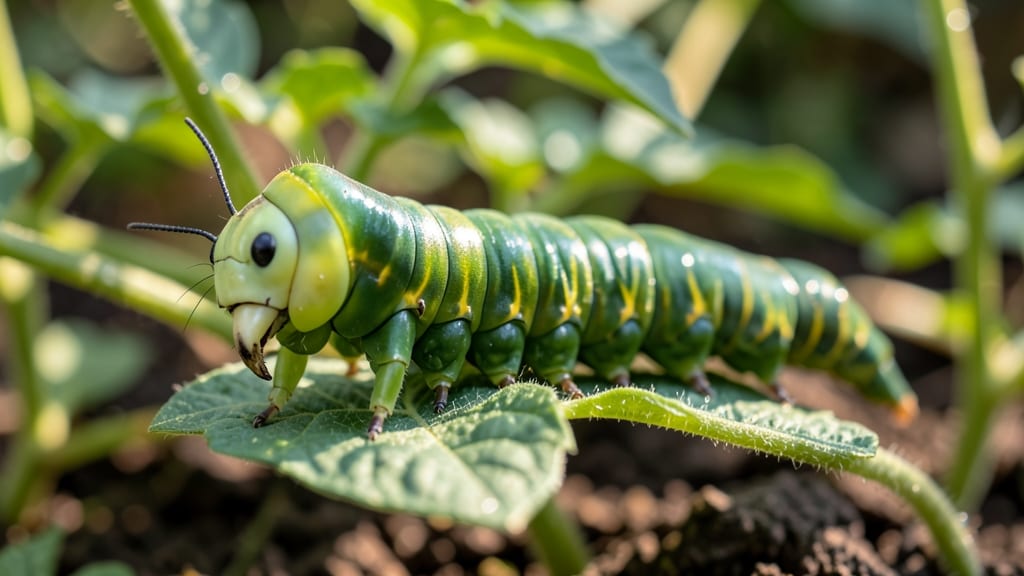
Tomato hornworms aren’t poisonous to humans or pets—but they’ll strip your plants bare in days. 🌱 I’ve watched these striped caterpillars turn lush tomato plants into skeletal remains, and the good news is you can remove them safely without chemicals.
The key is acting fast and using the right methods to protect both your garden and your hands.
These caterpillars aren’t toxic, but their saliva contains mild irritants that can cause skin rashes in some people. That’s why gloves are a must when handling them—no need for panic, just precautions.
The real damage comes from their appetite: a single hornworm can devour an entire leaf overnight, leaving your plants vulnerable to disease and pests.
You’ll eliminate them in minutes with a simple twist-and-toss method or by encouraging their natural predators like parasitic wasps. No harsh sprays needed—just a little vigilance and the right tools. Your plants will bounce back faster than you think, and you’ll avoid the heartbreak of watching your harvest disappear.
Works for any garden size, from containers to full plots. Here’s how to spot them early and act before they become a full-blown infestation—without harming your family, pets, or the environment.
Nature’s Defense Mechanisms Explained
When tomato plants fall victim to Hornworm (a common caterpillar culprit) or other toxic-feeding larvae, the issue often boils down to two key biological triggers: chemical warfare and ecological imbalance.
Understanding these causes helps gardeners act fast to protect their crops—and their health. Here’s why these critters turn your tomato plants into a toxic threat.
Tomato plants aren’t passive victims—they’re chemical battlegrounds. When caterpillars like the Manduca sexta (tomato hornworm) munch on leaves, stems, or fruits, the plant’s first response is to produce alkaloids and glycoalkaloids (e.g., solanine and tomatine).
These compounds are naturally poisonous to deter herbivores—but they also accumulate in damaged tissues, including:
- Bite marks: Saliva from caterpillars triggers a localized spike in toxins, making chewed leaves or stems highly toxic if ingested.
- Fruits near damage: Even undamaged tomatoes growing near infested areas can absorb these chemicals through the plant’s vascular system.
- Stressed plants: Drought, poor soil, or over-fertilization weaken the plant’s defenses, causing it to overproduce toxins as a last-ditch effort.
💡 Pro Tip: If you see black or brown speckling on tomato leaves, it’s a sign of solanine buildup—a red flag for toxicity.
Caterpillars thrive when their natural predators are missing. Here’s how gardens become their playground:
🌿 Lack of predators
Tomato hornworms have few natural enemies in home gardens. Without parasitic wasps (like Cotesia congregata), birds, or ladybugs, caterpillars multiply unchecked. Monoculture gardens (planting only tomatoes) make this worse by removing habitat diversity.
🍅 Overripe or rotted tomatoes
Caterpillars are drawn to fermenting or rotting fruit, which emits ethanol and volatile organic compounds (VOCs). These act as chemical signals, luring more larvae to your plants. Once inside, they excrete waste, further accelerating decay—and toxin production.
🌡️ Climate and seasonal factors
Warm, humid conditions (ideal for tomatoes) also speed up caterpillar metabolism, leading to faster growth and more damage. Late summer is peak season for hornworms because:
- Longer daylight hours boost their feeding efficiency.
- Soil warmth encourages egg hatching.
- Plants are at their most vulnerable post-bloom.
⚠️ Warning: Even healthy-looking tomatoes near caterpillar activity can contain elevated toxin levels. Always inspect plants thoroughly before harvesting.
Quick Fixes for Tomato Caterpillar Woes
Dealing with tomato caterpillars—especially those that can be harmful—requires a mix of immediate action and long-term prevention. Below, we’ll break down practical solutions tailored to the root causes, from manual removal to natural deterrents. No harsh chemicals needed—just smart, garden-friendly fixes!
If you’ve spotted caterpillars munching on your tomatoes, act fast before they multiply. Here’s how to evict them safely:
- 👨🍳 Spot and Squash (or Relocate) - Morning or evening (when caterpillars are sluggish) is the best time to inspect leaves and stems. - Use gloves and a small container (like a jar) to scoop them up.
Drop them into soapy water (1 tbsp dish soap per gallon) to kill them instantly. - Alternative: If you’re squeamish, relocate them to a far-off garden bed (not your veggies!) or release them outdoors away from your plants.
- 🔪 Prune Infested Areas
- Cut away heavily damaged leaves (especially lower ones, where caterpillars hide). Dispose of them in a sealed trash bag—not the compost!
- Focus on yellowing or chewed foliage—these are hotspots for eggs and larvae.
- 🕵️♂️ Hunt for Eggs
- Caterpillars lay eggs on undersides of leaves. Wipe them off with a damp cloth or neem oil-soaked cotton ball.
- Check every 2–3 days for new clusters (especially after rain).
Prevention is key! Use these non-toxic methods to make your tomato plants less appealing:
💡 Physical Barriers
- Row Covers: Lightweight floating row covers (made of fine mesh) block caterpillars while letting sunlight and water through. Install them early in the season before eggs hatch.
- Collars for Seedlings: Wrap cardboard collars around young plants to prevent caterpillars from crawling up.
🌡️ Homemade Sprays (Safe & Effective)
Mix these in a spray bottle and apply every 5–7 days or after rain:
| Ingredient | How to Use | Why It Works |
|---|---|---|
| Neem Oil | 1 tbsp neem oil + 1 tsp mild soap + 1 quart water. Shake well before spraying. | Disrupts caterpillar feeding and growth. |
| Garlic Pepper Spray | Blend 2 garlic cloves + 1 tsp cayenne pepper + 1 quart water. Strain and spray. | Repels pests with strong scent. |
| Diatomaceous Earth | Lightly dust dry leaves and soil (avoid wet conditions). | Abrasive powder dehydrates caterpillars. |
⚠️ Pro Tip: Spray early in the morning to avoid harming beneficial insects like bees.
🎯 Companion Planting
Plant these caterpillar-repelling companions near your tomatoes:
- Basil (masks tomato scent)
- Marigolds (emit a smell pests dislike)
- Nasturtiums (trap aphids and deter moths)
If caterpillars keep returning, try these extra layers of defense:
- 🐛 Introduce Beneficial Predators
- Parasitic wasps (like Cotesia congregata) lay eggs inside caterpillars, killing them naturally. Order them online or find them in garden centers.
- Ladybugs and lacewings also eat caterpillar eggs—invite them with dill or fennel plants.
- 🌱 Soil Health Boost
- Healthy soil = stronger plants that resist pests. Add compost and worm castings to improve resilience.
- Avoid over-fertilizing with nitrogen—it makes plants soft and more attractive to caterpillars.
- 🕰️ Rotate Plantings
- Caterpillars target the same crops year after year. Rotate your tomato family (e.g., swap locations with peppers or eggplants) to break their cycle.
- ❌ Don’t use chemical pesticides (like malathion) near edible plants—residue can linger on tomatoes.
- ❌ Avoid burning caterpillars (releases harmful toxins into the air).
- ❌ Skip regular checks—even one missed egg can turn into a dozen caterpillars in days!
To keep your tomatoes caterpillar-free long-term: ✅ Start with healthy seedlings (buy from reputable nurseries). ✅ Plant early (before moths lay eggs). ✅ Use row covers for the first 4–6 weeks. ✅ Monitor weekly for eggs and early signs of damage. ✅ Keep the garden diverse (pests hate monocultures).
With these simple, eco-friendly steps, you’ll reclaim your tomato plants—without the creepy crawlies! 🍅💪 Whether you’re a beginner or a seasoned gardener, these methods work fast and keep your harvest safe.
Frequently asked questions
Are tomato caterpillars (like hornworms) poisonous to humans?
The caterpillars themselves aren't poisonous, but their saliva contains mild irritants that can cause skin rashes in some people. Always wear gloves when handling them. The real concern is the plant's natural toxins (like solanine) that build up in damaged areas—so avoid eating heavily chewed leaves or fruits near infested spots.
Can tomato caterpillars harm pets if they eat them?
While not poisonous, the caterpillars' hard exoskeletons can cause mild stomach upset in pets. The bigger risk is if your pet eats tomato leaves with high solanine levels (from caterpillar damage). Keep pets away from heavily infested plants and always wash fresh produce before serving.
What's the fastest way to remove tomato caterpillars without chemicals?
Use the "twist-and-toss" method: Grab the caterpillar by the middle with gloved hands, twist gently to detach it from the plant, then drop it into soapy water (1 tbsp dish soap per gallon). For large infestations, check plants in the morning when caterpillars are sluggish—this takes less than 5 minutes per plant.
How do I know if my tomatoes are still safe to eat after caterpillar damage?
Discard any tomatoes with visible caterpillar holes or blackened spots (signs of solanine buildup). For fruits near damage, cut away the affected area and wash thoroughly. When in doubt, peel tomatoes before eating—this removes most surface toxins. Always inspect plants before harvesting during peak caterpillar season (late summer).
Will neem oil really work to prevent caterpillars, or is it just a myth?
Neem oil is highly effective—it disrupts caterpillar feeding and growth hormones. Mix 1 tbsp neem oil + 1 tsp mild soap + 1 quart water and spray on leaves every 5-7 days or after rain. The key is consistency: caterpillars can't build resistance like with chemical pesticides, and it's safe for edible plants when used properly.