
Pests
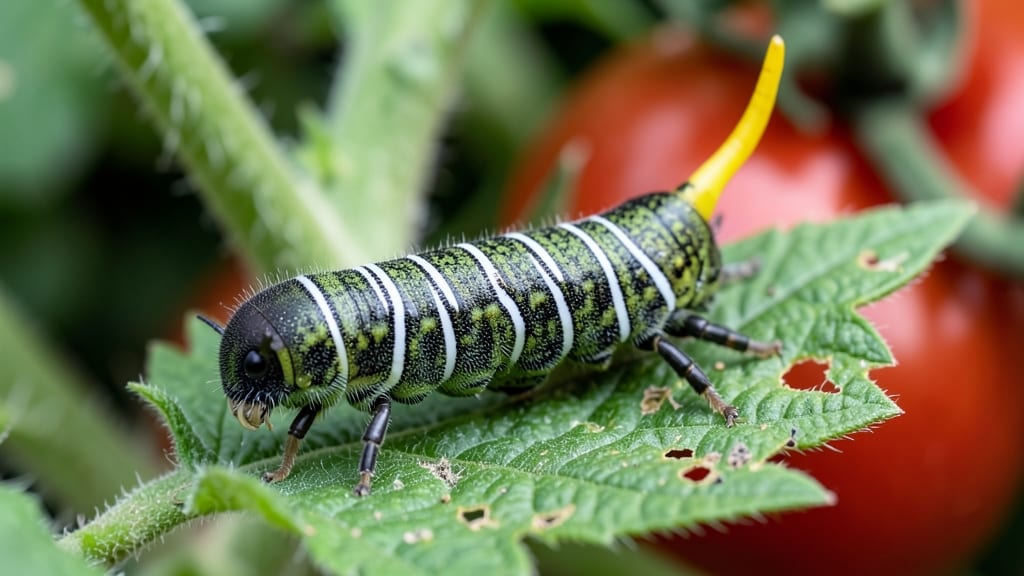
Tomato hornworms can turn your thriving plants into skeleton leaves overnight—unless you know how to fight back. 🌱 I've lost entire tomato plants to these striped bandits, but natural predators like parasitic wasps and lacewings can keep them in check without harsh chemicals.
The key is understanding their lifecycle and giving beneficial insects the right conditions to thrive.
These caterpillars grow up to 4 inches long and devour entire leaves in hours, but they're not invincible. Their biggest weakness? The tiny wasps that lay eggs inside them. One healthy garden ecosystem can produce thousands of these natural allies, turning your tomato patch into a hornworm-free zone.
You won't need to spray a drop of pesticide if you set it up right.
By the end of summer, you'll have vibrant, hornworm-free tomato plants producing fruit without a single skeleton leaf in sight. The secret lies in planting early, attracting predators, and removing eggs before they hatch. It takes less than 15 minutes a week once you know what to look for.
Works for home gardens, containers, and even small urban plots—no matter how many hornworms you're battling this season. Let's get those tomatoes protected naturally!
The Real Culprits Behind Garden Devastation
The tomato hornworm isn’t just a random pest—it’s a highly efficient predator of your garden’s hard work. But why do these striped caterpillars suddenly turn your lush tomato plants into skeletonized leaves overnight?
The answer lies in a mix of environmental triggers, plant attractants, and natural survival instincts. Understanding these causes is the first step to outsmarting them before they strike.
The tomato hornworm’s favorite buffet is your garden’s nightshade family—tomatoes, peppers, eggplants, and even potatoes. When these plants thrive, they send out chemical signals (like volatiles) that attract adult moths to lay eggs. The more lush the foliage, the more egg-laying opportunities for Manduca sexta moths.
Why it happens:
- Rich soil = more growth: Fertilizer-heavy gardens produce larger, softer leaves that hornworms adore. Nitrogen-rich soil (especially from compost or synthetic fertilizers) makes plants more palatable to them.
- Monoculture gardens: Planting rows of the same crop (like a tomato patch) creates a hornworm paradise. Moths can find and target these areas easily.
- Early planting: Starting tomatoes too early in the season means they’re vulnerable before natural predators (like parasitic wasps) have had time to establish populations.
Actionable fix: Interplant tomatoes with basil, marigolds, or borage—these repel moths and disrupt their egg-laying patterns. Rotate crops yearly to break the cycle.
Tomato hornworm moths are master navigators, using moonlight, pheromones, and plant scents to locate your garden after dark. Their larvae are solitary but voracious, meaning each caterpillar can consume an entire tomato plant in days without competition.
Why it happens:
- Moonlight and artificial lights: Moths are drawn to bright, reflective surfaces, including white or yellow garden lights. A well-lit garden at night = moth magnet.
- Wind patterns: Moths follow downwind scent trails from flowering nightshade plants. If your garden is downwind from wild nightshades or volunteer tomato plants, they’ll zero in.
- Pheromone trails: Once a few moths find a prime spot, they release sex pheromones to attract more, creating a swarming effect.
Actionable fix:
- Switch to red or amber bug lights (moths avoid these wavelengths).
- Plant traps like dill or fennel far from your tomatoes—they’ll lure moths away.
- Avoid overwatering at night, which can amplify scent signals.
The tomato hornworm’s biggest threat isn’t you—it’s the tiny creatures that normally keep their populations in check. Without them, hornworms explode in numbers like an unchecked wildfire.
Why it happens:
- Pesticide overuse: Broad-spectrum chemical pesticides (like neonicotinoids or pyrethroids) kill beneficial insects first—ladybugs, lacewings, and parasitic wasps that prey on hornworm eggs and larvae.
- Monoculture gardens: Diverse ecosystems have more predator species. A simplified garden offers fewer hiding spots and food sources for natural enemies.
- Late-season outbreaks: Many predators (like braconid wasps) take time to find and parasitize hornworms. If the infestation hits too early or late in the season, they can’t respond fast enough.
Actionable fix:
- Skip chemical sprays—opt for soapy water or Bacillus thuringiensis (Bt) instead.
- Install birdhouses and bat boxes to attract hornworm-hunting birds and bats.
- Plant companion flowers like alyssum or cosmos to support pollinators and predator insects.
Tomato hornworms thrive in heat and detest cold snaps. Their life cycle accelerates when temperatures rise, leading to faster growth and more generations per season.
Why it happens:
- Extended growing seasons: Warmer winters mean overwintering moths survive and lay eggs earlier, giving them a head start.
- High humidity: Moist conditions soften plant tissues, making them easier for caterpillars to chew through.
- Greenhouse effects: Plastic tunnels or mulched beds can create microclimates that hornworms love, even if the rest of your garden is cooler.
Actionable fix:
- Use row covers early in the season to block moths before they lay eggs.
- Mulch strategicallyng>—avoid thick layers that traps heat and moisture near plants.
- Monitor weather forecasts—if a cold snap is coming, it can kill off larvae naturally.
Natural Ways to Beat Garden Pests
If your tomato plants are under siege by hungry caterpillars, don’t reach for harsh chemicals right away—there are effective, eco-friendly solutions to protect your garden. Below, we’ll break down practical fixes based on the root cause of the problem, from early detection to long-term prevention.
Cause: Tiny eggs or larvae go unnoticed until damage appears. Fix:
- 👀 Inspect leaves daily—especially undersides—look for green, black, or brown eggs (the size of a pinhead).
- 🐛 Handpick larvae (they’re plump, green, and up to 4 inches long with white stripes). Drop them into soapy water to kill them instantly.
- 🌿 Check at dawn or dusk when caterpillars are most active.
Pro Tip: 💡 Use a flashlight at night—hornworms glow faintly under UV light, making them easier to spot!
Cause: Chemical pesticides harm beneficial insects and disrupt ecosystems. Fix:
- 🐞 Introduce parasitic wasps (Braconid wasps). These tiny wasps lay eggs inside hornworm larvae, killing them from within. Order them online or find them in garden centers.
- 🦋 Encourage ladybugs, lacewings, and praying mantises—they devour hornworm eggs and young larvae.
- 🐸 Attract frogs and toads by keeping a shallow water dish in your garden (they feast on hornworms too!).
Pro Tip: ✨ Plant dill, fennel, or parsley nearby—these herbs attract parasitic wasps naturally.
Cause: You need a quick, non-toxic way to deter or kill larvae. Fix:
- 🥘 Spray with neem oil (mix 1 tsp neem oil + 1 tsp mild soap + 1 quart water). Reapply every 3–5 days—it disrupts their feeding and growth.
- 🌶️ Try hot pepper spray (blend 1–2 hot peppers + 1 quart water + 1 tsp dish soap). Spray directly on leaves (avoid spraying flowers to protect bees).
- 🍋 Use garlic or citrus spray (steep garlic cloves or citrus peels in water for 24 hours**, strain, and spray). The strong scent repels caterpillars.
Warning: ⚠️ Always spray early in the morning or late evening to avoid harming pollinators.
Cause: You want to stop hornworms before they become a problem. Fix:
- 🌿 Rotate crops—don’t plant tomatoes, peppers, or eggplants in the same spot every year (hornworms overwinter in the soil).
- 🧹 Remove plant debris in fall—this eliminates hiding spots for eggs and pupae.
- 🌱 Plant companion plants like basil, marigolds, or borage—their strong scents repel hornworms.
- 🕷️ Use row covers (lightweight fabric) over young plants to physically block eggs and larvae**.
Pro Tip: 🌡️ Mulch with diatomaceous earth (food-grade only)—it’s a natural abrasive that kills soft-bodied pests like hornworms on contact.
If you see large larvae (over 2 inches), act immediately—they can devour a tomato plant in hours. Combine handpicking, biological controls, and organic sprays for the best results.
By using these natural, sustainable methods, you’ll protect your garden without harming the environment—and maybe even reduce future hornworm populations for good! 🚀
Frequently asked questions
What do tomato hornworm eggs look like, and where should I look for them?
Tomato hornworm eggs are tiny (1mm) and can be green, black, or brown, depending on their age. Check the undersides of tomato leaves and stems—these are their favorite spots. They’re about the size of a pinhead, so use a magnifying glass if needed. Eggs hatch in 3-5 days, so early detection is key!
Are tomato hornworms harmful to humans or pets?
No, tomato hornworms are not dangerous to humans or pets. They’re harmless caterpillars that only eat plants, and their spines don’t break skin easily. The only risk is accidentally ingesting them if you eat contaminated produce—just wash your veggies thoroughly before eating!
Can I use Bacillus thuringiensis (Bt) on tomato hornworms?
Yes! Bt is one of the best organic treatments for tomato hornworms. It’s a natural bacteria that kills caterpillars when they eat it, but it’s safe for humans, pets, and beneficial insects. Spray it on leaves in the evening when pollinators are less active, and reapply after rain.
Why do I keep seeing hornworms even after removing them?
Hornworms reproduce fast—one female can lay up to 2,000 eggs in her lifetime! If you’re seeing them repeatedly, check for eggs or pupae hiding in soil or plant debris. Also, moths may be flying in from nearby gardens. Try row covers early in the season to block new eggs.
Do tomato hornworms turn into butterflies?
Yes! After growing to 3-4 inches long, hornworms pupate in the soil and emerge as sphinx moths (also called "hummingbird moths"). These moths are harmless and even help pollinate plants. The cycle repeats when they lay eggs on your tomatoes—so prevention is key!