
Vegetables
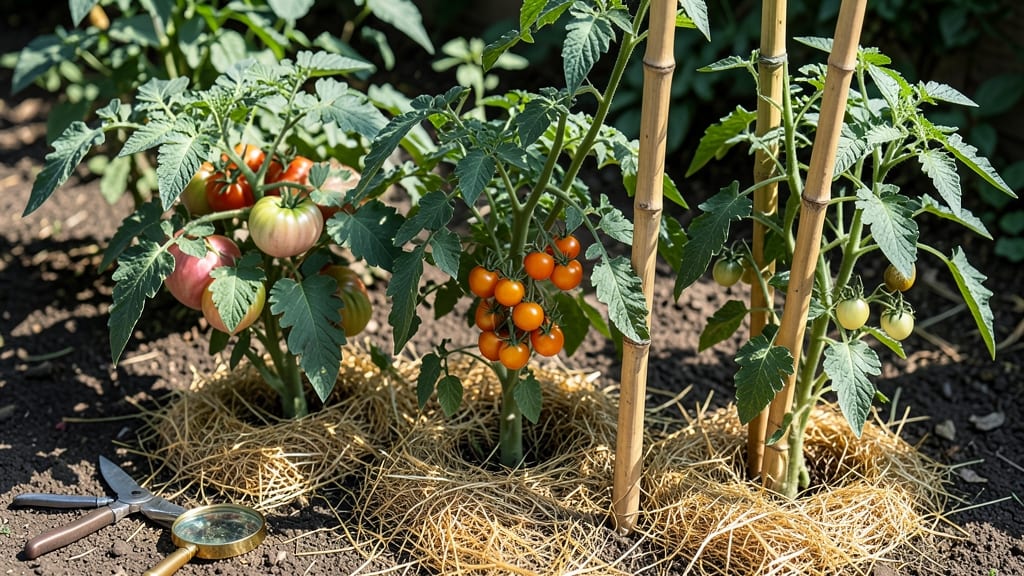
Your tomato garden starts with knowing these lower-classification types—because not all tomatoes are created equal. 🌱 Heirlooms bring bold flavors and history, while hybrids focus on disease resistance and yield. Cherry tomatoes are snack-sized powerhouses, beefsteaks feed crowds, and disease-resistant varieties save your plants from blight.
Each type has its own growing quirks, from vine size to ripening time, and picking the wrong one means wasted space or disappointing harvests.
Heirlooms like 'Brandywine' deliver restaurant-quality taste but need extra care against pests and diseases. Hybrids such as 'Celebrity' or 'Better Boy' grow faster and resist common problems, making them perfect for beginners or small gardens.
Cherry tomatoes like 'Sweet 100' produce nonstop tiny fruit, while beefsteaks like 'Big Beef' give you fewer but massive, juicy slices. Disease-resistant types (look for "V" or "F" labels) are lifesavers in humid climates or crowded gardens.
You’ll end up with a garden that matches your goals—whether it’s bold flavors, high yields, or easy care. Heirlooms shine in fresh salads, hybrids excel in sauces, and cherries keep kids (and you) snacking all summer.
Disease-resistant picks let you grow tomatoes even in tricky climates. The right choice turns a good harvest into an embarrassingly productive one.
Start with your climate and space: tall indeterminate vines need trellises, while compact determinates work in containers. Seed catalogs and local nurseries are your best friends for finding the perfect match—just avoid big-box store selections if you want real variety. Your garden’s future depends on these choices, so pick wisely!
📚 In This Guide
- What you need
- Instructions
- Tips and common mistakes
- Wrapping up and next steps
What you need
- ● Tomato Seeds: 50–100 seeds of Solanum lycopersicum lower-classification varieties (e.g., heirloom, cherry, or beefsteak types). Opt for organic or non-GMO for best results.
- ● Seed Starting Mix: 2–3 cubic feet of sterile, well-draining potting soil (look for a mix labeled for seedlings).
- ● Seedling Trays or Pots: 50–100 small pots (2–4 inches deep) or a seedling tray with individual cells.
- ● Grow Lights or Sunny Window: A full-spectrum LED grow light (12–16 hours/day) or a south-facing window with bright, indirect light.
- ● Watering Can or Spray Bottle: With a fine rose attachment to avoid disturbing seeds.
- ● Plant Labels: 50–100 small tags or sticks to mark varieties (waterproof markers help!).
- ● Fertilizer: A balanced, organic fertilizer (e.g., 5-5-5 or compost tea) for seedlings.
- ● Transplant Pots: 6–8 inch pots or biodegradable peat pots for hardening off seedlings.
- ● Garden Soil or Raised Beds: Well-draining, nutrient-rich soil amended with compost (pH 6.0–6.8).
- ● Support Structures: Cages, stakes, or trellises (depending on variety—indeterminate types may need taller supports).
- ● Pruning Shears: Sharp, clean shears for trimming suckers and shaping plants.
- ● Gloves & Sunscreen: Long sleeves, gloves, and sunscreen for outdoor work (tomato plants can be prickly!).
- ● Heating Mat: For seedlings in cooler climates (70–75°F is ideal).
- ● Humidity Dome: To retain moisture while seeds germinate.
- ● Soil pH Test Kit: Ensure optimal growing conditions for your tomatoes.
- ● Pest Control: Neem oil, row covers, or beneficial insects (like ladybugs) for organic pest management.
- ● Harvest Basket or Clipper: A small basket and pruning shears for easy picking.
- ● Variety Reference Guide: A book or app (e.g., Seed Savers Exchange) to cross-reference lower-classification traits.
How to select and grow lower-classification tomato varieties
These underrated tomato types pack incredible flavor and adaptability—here’s how to choose and cultivate them like a pro.
🌱 Step 1: Identify Your Lower-Classification Needs
Lower-classification tomatoes—like heirlooms, cherry types, and disease-resistant hybrids—offer unique advantages. First, determine your growing conditions: determinate varieties (bush-type) thrive in containers or small spaces, while indeterminate (vining) types need trellises but produce longer. Check your last frost date and select varieties with a 60-90 day maturity range to match your season.
I always cross-reference seed packets with my local climate zone—some lower-classification types, like Siberian or Arctic tomatoes, tolerate cooler temperatures, while others, like Black Krim, demand heat. This ensures you won’t waste seeds on varieties that won’t thrive where you live.
☀️ Step 2: Prepare Soil and Planting Conditions
Lower-classification tomatoes often have more delicate roots than commercial hybrids, so soil prep is critical. Amend your garden bed with 2-3 inches of compost and a balanced 10-10-10 fertilizer mixed into the top 12 inches of soil. These varieties reward rich, well-draining soil—poor conditions bring out their worst traits, like blossom-end rot.
For container growing, use a sterile potting mix with added perlite to prevent compaction. I swear by a 5-gallon fabric grow bag for indeterminate types—it mimics loose soil while preventing root circling. Plant seeds ¼ inch deep and keep soil consistently moist until germination, which typically takes 7-14 days depending on the variety.
💧 Step 3: Implement Variety-Specific Care
Lower-classification tomatoes often need more attention than hybrids. For example, cherry tomatoes like Sungold benefit from pruning suckers (the shoots between main stems and branches) to direct energy to fruit production. In contrast, paste tomatoes like San Marzano varieties should have suckers left intact for bushier growth.
Watch for first true leaves—this is when you can gently transplant seedlings outdoors after hardening off for 7-10 days. Use cage supports or stakes immediately for indeterminate types to prevent stem damage. Mulch heavily with straw or grass clippings to retain moisture and suppress weeds, which is especially important for lower-classification varieties that often have weaker disease resistance.
✂️ Step 4: Harvest and Preserve Unique Flavors
Harvest lower-classification tomatoes at peak ripeness—this is where their superior flavor shines. For cherry tomatoes, pick when fully colored and slightly soft to the touch. For beefsteak or heirloom types, look for deep color and a slight give when gently squeezed. I always harvest in the morning when sugars are highest.
Preserve the bounty by canning, freezing, or fermenting—these varieties often have higher acidity and sugar content than commercial tomatoes, making them ideal for sauces and salsas. Store unripe tomatoes in a paper bag with a banana at room temperature to ripen them naturally. Lower-classification tomatoes store best at 55-65°F and will last 1-2 weeks on the counter.
🌿 Step 5: Save Seeds for Next Year’s Garden
One of the biggest perks of lower-classification tomatoes is seed saving. Allow a few fruits to fully ripen on the vine, then scoop out the gel and seeds into a jar. Ferment the mixture for 3-5 days to break down the gelatinous coating, then rinse the seeds through a fine mesh strainer. Dry them on a paper towel for 3-5 days before storing in an airtight container in a cool, dark place.
Label each variety clearly—lower-classification tomatoes can look nearly identical when unripe. I keep a small notebook with notes on disease resistance, flavor profiles, and growing quirks for each variety. This ensures you can replicate your best performers year after year without relying on commercial seed suppliers.
Tips & tricks for cultivating lower-classification tomato varieties
Lower-classification tomatoes reward patience and precision—here's how to elevate your growing game and avoid common pitfalls.
Climate Zone Matching: When selecting varieties in Step 1, check your USDA hardiness zone and cross-reference with seed packet recommendations. For example, Arctic tomatoes thrive in zones 1-4 with their cold tolerance, while Black Krim varieties demand zones 5-10 for optimal fruit set. I always test a variety in my zone for at least 2 years before committing to large-scale planting—this prevents disappointment from mismatched climates.
Soil Science Secret: In Step 2, don't just amend the top 12 inches—create a "soil profile" by adding 1 inch of compost at planting time and another 1 inch when flowers appear. These varieties respond dramatically to consistent organic matter. For container growing, I mix in worm castings (available at garden centers) for extra microbial activity that boosts root health.
Pruning Strategy: The pruning instructions in Step 3 are critical—cherry tomato suckers should be removed weekly to maintain airflow, while paste tomato suckers can stay for structural support. I use clean pruning shears and remove suckers at the base rather than tearing them, which prevents disease entry points. For indeterminate varieties, limit main stems to 3-4 branches for manageable harvests without sacrificing yield.
Harvest Timing Nuance: In Step 4, morning harvests are ideal, but don't overlook the "second flush" in late afternoon when temperatures drop. Lower-classification tomatoes often produce a smaller batch of fruit in the evening that ripens overnight—this is when you'll find your sweetest, most flavorful specimens. I harvest these separately for special recipes where concentrated flavor matters most.
Pro Tips for Tomato Lower Classifications
- Lower-classification tomatoes reward patience and precision—here's how to elevate your growing game and avoid common pitfalls.
- Climate Zone Matching: When selecting varieties in Step 1, check your USDA hardiness zone and cross-reference with seed packet recommendations.
- Soil Science Secret: In Step 2, don't just amend the top 12 inches—create a "soil profile" by adding 1 inch of compost at planting time and another 1 inch when flowers appear.
Frequently asked questions
Got questions about tomato lower classifications? You’re not alone!
Whether you’re a seasoned gardener or a curious beginner, understanding heirlooms, hybrids, determinate vs. indeterminate, and more can make all the difference in your harvest. Here are answers to the most common queries—so you can pick the perfect tomato for your garden (and your plate!).
What’s the difference between determinate and indeterminate tomatoes?
Determinate tomatoes grow in a compact bush shape and produce fruit all at once (great for canning!). Indeterminate varieties grow vining and continuously produce tomatoes over the season—ideal for fresh eating. Choose based on your space and goals: determinate for small gardens, indeterminate for big yields.
Are heirloom tomatoes worth the extra effort?
Heirlooms offer unique flavors, colors, and textures (like Brandywine or Cherokee Purple) but require more care—longer growing seasons, hand-pollination, and disease vigilance. If you love variety and don’t mind the work, they’re a gardener’s treasure. For easier care, try hybrid heirlooms (like Sungold).
How do I know if a tomato variety is disease-resistant?
Look for labels with codes like _V_ (verticillium wilt), _F_ (fusarium wilt), or _N_ (nematodes). Seed packets often list these—e.g., Celebrity tomatoes are _V_ and _F_ resistant. For high-risk areas, prioritize resistant varieties to save time and stress. Pro tip: rotate crops yearly to prevent buildup!
Can I grow cherry tomatoes in containers? Which varieties work best?
Yes! Cherry tomatoes thrive in containers (5+ gallons per plant). Top picks: Sweet 100, Tiny Tim, or Balcony Red. Use a trellis to save space and improve airflow. Just ensure pots have drainage and you fertilize regularly—container-grown plants need extra nutrients!
What’s the best tomato for sauces vs. slicing?
| Use | Best Varieties | Why? |
|---|---|---|
| Sauces | San Marzano, Roma, Amish Paste | Low water, thick flesh, and sweet-tangy flavor concentrate when cooked. |
| Slicing | Beefsteak, Brandywine, Black Krim | Large, meaty slices with complex flavors—perfect for sandwiches! |
Need both? Try Early Girl (versatile hybrid) or Sungold (cherry for snacks + sauces).
Wrapping up and next steps
Exploring tomato lower classifications—like heirloom, cherry, or beefsteak varieties—can transform your garden into a vibrant, productive paradise! 🌱 Whether you’re drawn to Solanum lycopersicum var. cerasiforme for snacking or S. l. var. grossum for slicing, each type offers unique flavors, sizes, and growing quirks.
The key? Start small—pick 2-3 varieties that excite you, test their needs, and let your curiosity guide you!
Ready to dive deeper? Grab seeds or seedlings this season, sketch a planting plan, and watch your garden thrive with tomato diversity! 🌍✨ Browse our variety recommendations to kickstart your journey.