
Planting
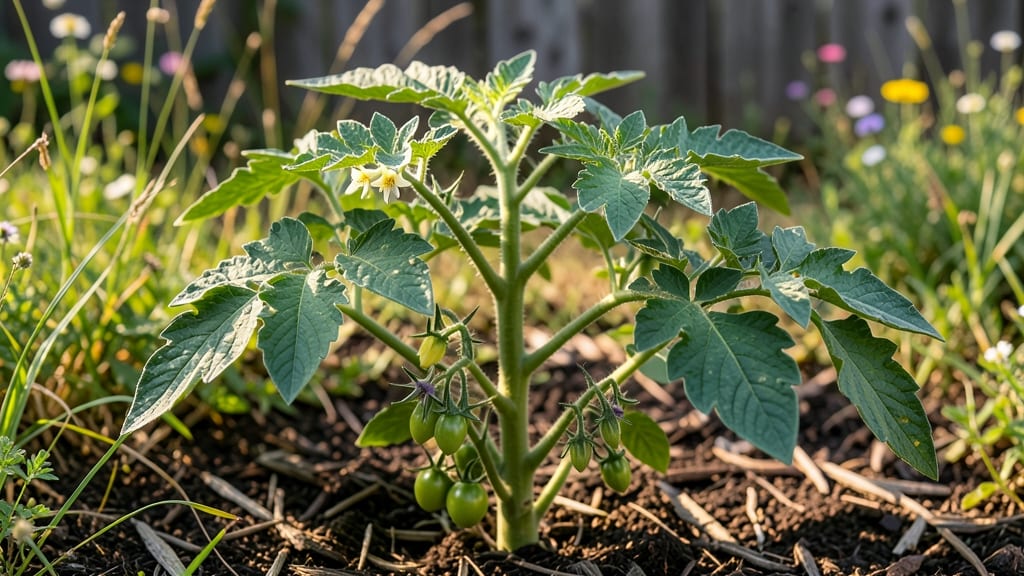
A two-month-old tomato plant is where the real magic begins—those sturdy stems and first true leaves mean it’s time to shift from baby care to growth acceleration. 🌱 I’ve watched my own seedlings transform at this stage, and the difference between a leggy, sad plant and a stocky, thriving one comes down to three key moves: pruning, feeding, and supporting.
This is when you start pinching suckers (those little shoots in the leaf junctions) to direct energy upward, not outward. A balanced fertilizer—half nitrogen, half phosphorus—encourages stronger roots and blooms, while a cage or stake prevents flopping. Most importantly, water deeply but infrequently to avoid shallow roots that invite disease.
By following these steps, you’ll see thicker stems, bushier foliage, and the first signs of flower buds within weeks. The plant will outpace its peers and reward you with a heavier harvest. Here’s exactly how to make it happen without overcomplicating things.
Leggy growth? That’s a red flag—it means your seedling stretched too fast for light. Move it closer to a south-facing window or under a grow light immediately, and reduce watering slightly to slow stem elongation. Yellowing leaves?
Often a sign of overwatering or nutrient imbalance—flush the soil with water and add a balanced fertilizer to reset the plant’s health. The goal at this stage is strength, not speed.
A two-month-old tomato plant should feel sturdy when you gently tug it—if it wobbles, it’s not getting enough support or nutrients. Prune aggressively but carefully: remove any leaves touching the soil to prevent rot, and always cut above a leaf node to encourage new growth.
This is also when pests like aphids or spider mites start showing up. Knock them off with a strong spray of water before they take hold, and introduce beneficial insects like ladybugs if needed.
The plants you nurture now will determine how well they handle fruit later—think of this as their foundation year. By summer, you’ll look back and see how these early choices paid off in heavy vines, abundant blooms, and tomatoes that put store-bought to shame. Let’s get growing!
📚 In This Guide
- What you need
- Instructions
- Tips and common mistakes
- Wrapping up and next steps
What you need
- ● Tomato seedlings: 1-2 healthy, 2-month-old plants (check for sturdy stems and vibrant leaves).
- ● Containers or garden bed: For pots: 5-gallon containers (minimum) or larger (10+ gallons for indeterminate varieties).
- ● For garden beds: Well-draining soil, raised beds, or in-ground plots (6+ inches deep).
- ● High-quality potting mix: 1 bag (sterilized, organic matter-rich, e.g., Miracle-Gro Moisture Control or Fox Farm Ocean Forest).
- ● Fertilizer: Balanced fertilizer: 10-10-10 or 5-5-5 (follow package instructions for dilution).
- ○ Tomato-specific fertilizer: Optional but ideal (e.g., Espoma Tomato-Tone).
- ● Support system: Cages (5-6 ft tall) or stakes (3-4 ft long).
- ● Twine or soft plant ties (for staking).
- ● Watering can or hose: With a gentle spray nozzle (avoid soaking leaves).
- ○ pH testing kit: Optional but helpful (ideal pH: 6.0–6.8).
- ● Mulch: Straw or shredded leaves (to retain moisture and suppress weeds).
- ● Epsom salt: 1 tbsp per gallon of water (monthly for magnesium boost).
- ● Compost or worm castings: For nutrient-rich soil amendments.
- ● Shade cloth: 30–50% coverage (if transplanting in hot climates).
- ● Grow lights: If extending indoor growth (12–16 hours/day).
How to care for a two-month-old tomato plant
This is where tomato plants shift from fragile seedlings to vigorous producers—focus here ensures a bountiful harvest.
🌿 Step 1: Assess Growth and Prune for Structure
Examine your plant for the first true leaves (the second set after the initial cotyledons). At this stage, you’ll see 3-4 main stems emerging. Use clean pruning shears to trim any weak or crossing stems at the base—this prevents disease and directs energy to the strongest growth. I always leave the two most robust stems to encourage a bushier plant later.
Look for suckers (small shoots forming in the leaf axils). These compete with fruit production, so pinch them off early. You’ll spot them as tiny, pale growths between the main stem and a leaf—remove them with your fingers or shears. This might seem harsh, but it’s the best way to avoid overcrowding.
☀️ Step 2: Optimize Light and Airflow
Your two-month-old tomato should now receive 6-8 hours of direct sunlight daily. If leaves start stretching toward the light or look pale, it’s time to move it closer to a south-facing window or under a grow light. I’ve found that 14-16 hours of light (using a timer for grow lights) prevents leggy growth and strengthens stems.
Improve airflow by spacing plants 18-24 inches apart if growing indoors or in containers. Poor circulation invites fungal diseases like early blight. You’ll notice healthier foliage and fewer yellowing leaves when airflow is good—this is your signal the plant is thriving.
💧 Step 3: Water Deeply and Monitor Soil
Water your tomato when the top 1-2 inches of soil feel dry to the touch. At this stage, deep watering encourages strong root development. I use a drip irrigation system or watering can with a narrow spout to avoid wetting leaves, which reduces disease risk. Water in the early morning so foliage dries quickly.
Check the soil’s moisture level by inserting your finger—it should feel slightly damp but not soggy. Overwatering at this stage can lead to root rot, which is harder to fix than underwatering. If the soil stays clumpy when squeezed, it’s too wet; if it crumbles easily, it’s dry enough.
✂️ Step 4: Fertilize for Stronger Growth
Switch to a balanced fertilizer (10-10-10 or 20-20-20) diluted to half-strength. Apply it every 2-3 weeks starting now, as your plant enters its rapid growth phase. I mix the fertilizer with water and apply it directly to the soil, avoiding contact with leaves to prevent burns.
Look for dark green, glossy leaves as a sign your plant is absorbing nutrients well. If you notice yellowing between veins (a classic nitrogen deficiency), increase the fertilizer slightly or add compost to the soil. This is the stage where consistent feeding makes the biggest difference in fruit production later.
🌱 Step 5: Support and Train the Plant
If your tomato is still in a pot or hasn’t been staked, install a 5-6 foot tall stake or cage now. Gently tie the main stem to the support with soft plant ties or old cloth strips—avoid wire or anything that can cut into the stem as it thickens.
For indeterminate varieties, start trellising by weaving the vine gently around the support. This prevents breakage when fruit sets later. You’ll see the plant grow taller and stronger with each passing week, and the support will keep it upright even as it bears weight.
Tips & tricks for two-month-old tomato plant care
Your tomato plant's second month is where real strength begins—these insights will help you avoid common pitfalls and maximize growth potential.
Pruning Precision: When trimming those 3-4 main stems in Step 1, make cuts just above a leaf node (where leaves grow) to encourage new growth from that point. I've learned this the hard way—cutting too close to the stem leaves a stub that can rot. Also, keep your pruning shears clean between cuts to prevent spreading disease from any hidden pathogens on the blades.
Lighting Strategy: The 6-8 hours of direct sunlight in Step 2 is non-negotiable, but here's what nobody tells you—rotate your plant every few days if growing indoors. This prevents uneven growth toward the light source. For grow lights, position them just 6 inches above the plant and adjust as it grows taller. The 14-16 hour light cycle is perfect for preventing legginess, but don't forget to give it complete darkness at night for proper rest.
Watering Wisdom: That top 1-2 inches dry test in Step 3 works, but I've found a better method: stick your finger about 1 inch deep into the soil. If it feels dry at that depth, it's time to water. This deeper check prevents overwatering while ensuring roots get the moisture they need. Also, always water at soil level rather than overhead—this keeps leaves dry and reduces fungal spores that cause early blight.
Fertilizer Timing: The 2-3 week schedule in Step 4 is ideal, but watch your plant's response. If you notice new growth flushing (bright new leaves) within a week, you're feeding too frequently. For organic options, compost tea works wonders—just dilute it to half-strength like the commercial fertilizer. The key is consistency: better to feed slightly less often than to overdo it and burn those delicate roots.
Pro Tips for Tomato Plant 2 Months Old
- Your tomato plant's second month is where real strength begins—these insights will help you avoid common pitfalls and maximize growth potential.
- Pruning Precision: When trimming those 3-4 main stems in Step 1, make cuts just above a leaf node (where leaves grow) to encourage new growth from that point.
- Lighting Strategy: The 6-8 hours of direct sunlight in Step 2 is non-negotiable, but here's what nobody tells you—rotate your plant every few days if growing indoors.
Frequently asked questions
Got questions about your two-month-old tomato plant? You’re not alone! This stage is critical for setting up long-term success. Here are answers to the most common concerns:
How tall should my 2-month-old tomato plant be?
A healthy 2-month-old tomato plant typically stands 12–24 inches tall, depending on the variety (determinate vs. indeterminate). If yours is shorter, check light exposure—tomatoes need 6–8 hours of sunlight daily. Stunted growth could also signal overcrowding or nutrient deficiencies. Prune lower leaves to improve airflow and redirect energy to upward growth.
Why are the leaves on my tomato plant turning yellow?
Yellowing leaves (chlorosis) often mean overwatering, underwatering, or nutrient issues. Check the soil moisture—it should be damp but not soggy. Yellowing lower leaves are normal as the plant matures, but bright yellow or crispy edges signal stress. Test your soil’s pH (aim for 6.0–6.8) and fertilize with a balanced tomato feed if needed.
Can I transplant my 2-month-old tomato plant now?
Transplanting at this stage is ideal if outdoors, but wait until nighttime temps stay above 50°F (10°C) to avoid shock. Harden off seedlings by exposing them to outdoor conditions for 7–10 days before moving them permanently. Choose a spot with full sun and well-draining soil. Bury the stem deeper than before to encourage root growth!
Should I prune my 2-month-old tomato plant?
Light pruning helps focus energy on growth. Remove lower leaves touching the soil to prevent disease and improve airflow. For indeterminate varieties, trim suckers (side shoots) when they’re smaller than a pencil. Avoid heavy pruning—save aggressive trimming for later stages. Pro tip: Use clean, sharp scissors to avoid damaging the plant.
What pests should I watch for at this stage?
Common pests include aphids, spider mites, and hornworms. Inspect leaves daily for tiny webs, holes, or clusters of bugs. Early intervention is key! Spray with neem oil or insecticidal soap for mild infestations. Introduce beneficial insects like ladybugs for natural pest control. Pro tip: Healthy plants resist pests better—prioritize strong roots and proper spacing!
Wrapping up and next steps
Your two-month-old tomato plant is thriving—and that’s just the beginning! 🌱 By now, you’ve mastered the basics of care, from proper lighting to balanced nutrients, setting the stage for a bountiful harvest. Stay consistent with your efforts, and soon you’ll be rewarded with juicy, homegrown tomatoes that outshine store-bought flavors.
Ready for the next level? Prune those suckers, stake your plant, and prep for flowering! Keep nurturing your green friend, and watch it grow into a powerhouse of productivity. You’ve got this! 🍅✨