
Pests and Diseases
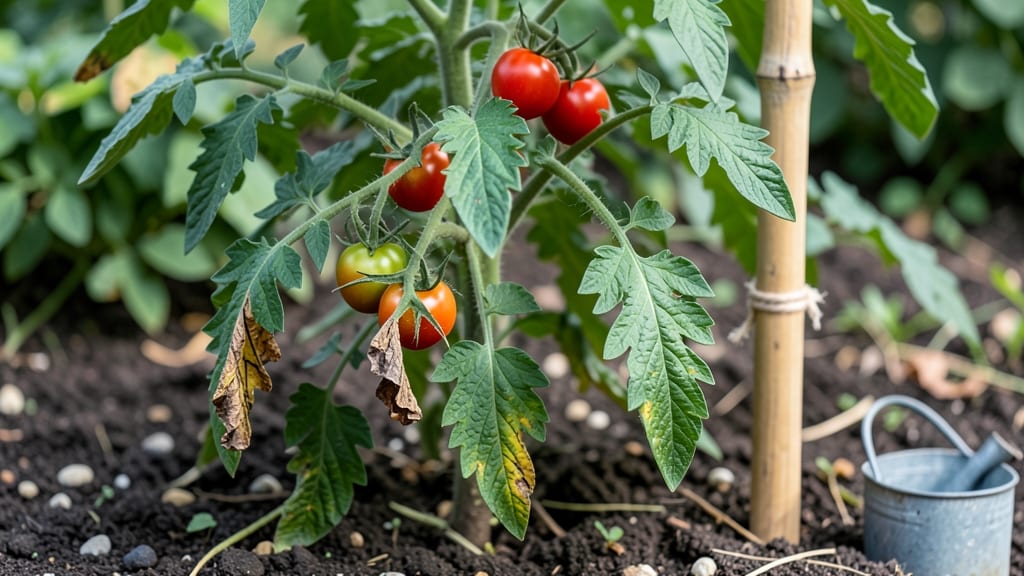
Your tomato plants are in trouble—the leaves are turning brown and curling, and the good news is, most fixes take less than 30 minutes. 🌱 I’ve nursed back dozens of struggling vines by tackling the real culprits: thirsty roots, hungry pests, or sneaky diseases hiding in plain sight.
The key is spotting the right problem fast, because once you do, the solution is almost always simpler than it looks.
Start by checking the undersides of leaves—tiny webs or speckled yellowing mean spider mites, while greasy black spots scream early blight. Overwatering? The soil smells sour and the roots look mushy. Underwatering? The top inch of soil is bone-dry.
Each issue needs a different fix, but the first step is always the same: stop guessing and start observing like a detective. Grab a magnifying glass if you have one—those details hold the clues.
Most fixes are quick once you know what you’re dealing with: neem oil spray for pests, pruning infected leaves for disease, or deep watering for thirsty roots. The plants I’ve saved this way bounce back in 3-7 days with the right care.
You’ll see new green leaves pushing out within a week if you catch it early—proof that even the most wilted tomato plant can make a comeback with the right moves.
Here’s the secret weapon: prevention. After fixing your current crisis, set up a weekly check-in routine—spray neem oil every 10 days, mulch to keep moisture steady, and rotate crops next season.
That’s how you go from panic mode to garden confidence in no time. Let’s turn those brown leaves into a thing of the past.
Root Causes Behind Leaf Stress
When your tomato plant’s leaves start turning brown and curling, it’s often a distress signal from the plant itself. Understanding the underlying causes—whether biological, environmental, or mechanical—is the first step toward saving your crop. Below, we break down the most common triggers, explained in clear, actionable terms.
Tomatoes thrive in warmth, but intense heat or direct sunlight can scorch leaves, causing them to curl and brown at the edges. This happens when:
- Temperatures exceed 90°F (32°C): High heat disrupts photosynthesis, leading to cellular damage. Leaves may appear crispy or bleached.
- Lack of shade: Young plants or those without acclimation to full sun are especially vulnerable. The upper leaves bear the brunt of UV radiation.
- Poor water retention: Hot, dry conditions draw moisture from leaves faster than roots can replace it, causing physiological drought.
💡 Pro Tip: Provide afternoon shade with a cloché (a lightweight fabric cover) or mulch heavily to retain soil moisture. Water deeply in the early morning to reduce evaporation.
While underwatering is a common issue, excessive moisture can suffocate roots and trigger leaf stress. Here’s how it plays out:
- Root rot (Phytophthora spp.): Waterlogged soil cuts off oxygen to roots, causing them to decay. The plant compensates by curling leaves to reduce water loss, but the stress leads to browning.
- Nutrient leaching: Overwatering flushes essential minerals (like nitrogen or potassium) from the soil, weakening the plant’s ability to produce chlorophyll.
- Fungal infections: Stagnant water creates a breeding ground for pathogens like Fusarium or Pythium, which clog root tissues and restrict nutrient uptake.
✨ Actionable Fix:
- Check soil moisture by sticking your finger 2 inches deep—water only if it’s dry.
- Amend heavy clay soil with perlite or compost to improve drainage.
- Ensure containers have drainage holes and elevate pots to prevent water pooling.
Tiny pests can wreak havoc on tomato leaves, causing them to curl and brown as they feed on sap or lay eggs. The most culprits:
| Pest | Damage Signs | Why Leaves React |
|---|---|---|
| Aphids | Sticky residue (honeydew), curled leaves, yellowing | They inject toxins while feeding, disrupting plant hormones (ethylene) that trigger curling. |
| Spider Mites | Fine webbing, bronze-colored spots, dry edges | Pierce cells to suck sap, causing dehydration and necrosis (brown, crispy patches). |
| Whiteflies | White, flying insects; yellow stippling | Their saliva contains proteins that alter leaf structure, leading to curling and premature aging. |
| Tomato Hornworms | Large holes, frass (droppings), sudden wilting | Defoliation stresses the plant, forcing it to curl remaining leaves to conserve energy. |
🔥 Quick Fix: Blast pests off with a forceful spray of water, apply neem oil (1 tsp per quart of water), or introduce beneficial insects like ladybugs or lacewings.
Fungi thrive in humid conditions and can spread rapidly, causing leaves to curl and brown as they disrupt cellular function. Key offenders:
- Early Blight (Alternaria solani):
- Starts with target-like brown spots (concentric rings) on lower leaves.
- Curls leaves inward to trap moisture, accelerating spore spread.
- Thrives in warm, wet conditions (75–85°F / 24–29°C).
- Late Blight (Phytophthora infestans):
- Causes greasy, brown patches that spread quickly in high humidity.
- Leaves curl downward and develop a white mold on undersides.
- Can destroy plants in 5–7 days if untreated.
- Septoria Leaf Spot (Septoria lycopersici):
- Small, dark brown spots with gray centers appear, often with yellow halos.
- Leaves curl to limit air circulation, but the disease progresses regardless.
🌡️ Prevention:
- Space plants for airflow (18–24 inches apart).
- Water at soil level (avoid overhead sprinkling).
- Apply copper fungicide or baking soda spray (1 tbsp baking soda + 1 quart water + drop of soap) every 7–10 days.
Tomatoes are heavy feeders, and a lack of key nutrients can cause leaves to curl and brown as the plant prioritizes survival over fruit production. Watch for these signs:
| Deficiency | Leaf Symptoms | Cause |
|---|---|---|
| Nitrogen (N) | Older leaves turn yellow (chlorosis), then brown and curl | Nitrogen fuels leaf growth; without it, leaves senesce prematurely. |
| Potassium (K) | Leaf edges brown and crisp (scorching), curling upward | Potassium regulates water and disease resistance. Low levels lead to cellular dehydration. |
| Magnesium (Mg) | Interveinal yellowing (between veins), leaves curl upward | Magnesium is central to chlorophyll; deficiency starts in older leaves. |
| Calcium (Ca) | New leaves curl and distort (cup-shaped), brown tips | Calcium strengthens cell walls; young leaves suffer first due to poor translocation. |
💪 Fix It Fast:
- Test soil with
Quick Fixes for Reviving Your Tomatoes
When your tomato plant’s leaves start turning brown and curling, it’s a sign your plants are crying out for help. 🌱💦 The good news? Most issues have simple, actionable solutions—if you act fast.
Below, we’ll break down the most common causes and the exact steps to nurse your tomatoes back to health, plus prevention tips to keep future harvests thriving.
Signs: Yellowing leaves, brown edges, soggy soil, or leaves curling upward like a wave.
How to Fix It: 🔹 🚰 Stop Watering Immediately – Let the top 1–2 inches of soil dry out before watering again. Stick your finger in the soil; if it’s damp past your first knuckle, wait. 🔹 🏗️ Improve Drainage – If your pots lack drainage holes, add a layer of gravel or perlite at the bottom. For in-ground plants, mix compost or sand into heavy clay soil to loosen it. 🔹 🌡️ Adjust Watering Schedule – Water deeply once or twice a week (depending on climate) in the morning so leaves dry quickly. Avoid overhead sprinklers—they encourage fungal diseases. 🔹 🌿 Prune Damaged Leaves – Snip off brown or mushy leaves with clean pruners to prevent rot from spreading.
💡 Prevention Tip: Use a moisture meter or the "squeeze test"—gently press the soil; if water drips out, you’re overdoing it.
Signs: Leaves curl upward, crispy brown edges, or a bleached, papery texture (like sunburn).
How to Fix It: 🔹 🌳 Provide Temporary Shade – Use shade cloth (30–50%) or move potted plants to a spot with afternoon shade (1–4 PM is critical in hot climates). 🔹 💦 Boost Hydration – Water early in the morning to reduce evaporation. Mulch with straw or grass clippings to retain moisture. 🔹 🌿 Trim Exposed Leaves – If leaves are already damaged, prune them to redirect energy to healthy growth. 🔹 🌱 Choose Heat-Tolerant Varieties – Next season, opt for ‘Solar Fire,’ ‘Heatmaster,’ or ‘Black Krim’ tomatoes, bred to handle high temps.
💡 Prevention Tip: Drip irrigation keeps roots cool and delivers water directly—no wasted evaporation!
Signs: Curling leaves with tiny holes, webbing, or sticky residue (aphids, spider mites, or whiteflies).
How to Fix It: 🔹 🔍 Identify the Culprit – Flip leaves to spot pests:
- Aphids: Green/black bugs clustered on new growth.
- Spider Mites: Tiny red/yellow dots + fine webs.
- Whiteflies: White moth-like insects when disturbed.
🔹 🚿 Blast Them Off – Spray leaves with a strong stream of water to knock off pests. Repeat every 2–3 days. 🔹 🧴 Use Natural Pesticides –
- Neem oil (1 tsp + 1 quart water + drop of dish soap) – Spray evening (avoids burning leaves).
- Insecticidal soap (store-bought or DIY: 2 tbsp soap + 1 quart water).
- Ladybugs or lacewings (release beneficial insects to eat pests naturally).
🔹 🍎 Remove Infested Leaves – Drop them in soapy water (not compost) to kill pests.
💡 Prevention Tip: Reflective mulch (aluminum foil or silver plastic) confuses pests like whiteflies—try it around plants!
Signs: Brown, crinkly leaves with yellow spots, white powder (mildew), or black mold.
How to Fix It: 🔹 🌬️ Improve Airflow – Space plants 18–24 inches apart and prune suckers to reduce humidity. 🔹 💧 Water at the Base – Avoid wetting leaves. Use a watering wand or drip system. 🔹 🍄 Apply Fungicide –
- Baking soda spray (1 tsp baking soda + 1 quart water + drop of soap) – Spray weekly.
- Copper fungicide (follow label instructions).
🔹 🔪 Prune & Dispose – Cut off infected leaves and sterilize pruners with rubbing alcohol. 🔹 🌿 Rotate Crops – Don’t plant tomatoes in the same spot next year (fungi linger in soil).
💡 Prevention Tip: Plant resistant varieties like ‘Mountain Merit’ (blight-resistant) or ‘Defiant PhR’.
Signs: Yellowing between veins (nitrogen), purple stems (phosphorus), or brown leaf edges (potassium).
How to Fix It: 🔹 📊 Test Your Soil – Use a DIY soil test kit (available at garden centers) to check pH and nutrients. 🔹 🍽️ Fertilize Smartly –
- Nitrogen (leafy growth): Use fish emulsion or compost tea.
- Potassium (strength): Try banana peel tea (soak peels in water for 2 weeks) or Epsom salt (1 tbsp per gallon of water).
- Balanced feed: 5-10-10 fertilizer (follow package rates).
🔹 🌿 Side-Dress Plants – Sprinkle compost or worm castings around the base (not touching stems) and water in.
💡 Prevention Tip: Mulch with compost every 4–6 weeks to slowly release nutrients.
If your tomato is severely stressed (e.g., root rot or extreme pest damage), it may not recover. Don’t waste energy on it—start fresh! 🔹 🌱 Take Healthy Cuttings – If the main stem is still green, cut a 4–6 inch section, dip in rooting hormone, and propagate in water. 🔹 🛒 Buy a New Plant – Sometimes, a healthy transplant yields better results than reviving a struggling one.
🎯 Pro Tip: Keep a garden journal to track watering, pests, and fertilizing—this helps you spot patterns and prevent future issues!
With these fixes, your tomato plants should perk up in 1–2 weeks. Stay consistent, and soon you’ll be back to enjoying juicy, vine-ripened tomatoes—no brown leaves in sight! 🍅🌿
Frequently asked questions
Why do my tomato leaves curl downward instead of upward?
Downward curling usually signals overwatering or fungal diseases like late blight. Check for greasy brown patches on leaves—this is a classic sign of late blight. If the soil feels soggy, your plant may have root rot. The fix? Improve drainage and remove infected leaves immediately.
Can I still harvest tomatoes if the leaves are curling?
Yes, but focus on ripe tomatoes already on the vine. Curling leaves often mean the plant is stressed, so it may stop producing new fruit. Harvest what you can, then address the root cause (usually water, pests, or disease) to revive the plant for next season.
How do I tell if my tomato plant has spider mites vs. heat stress?
Spider mites leave fine webbing on leaf undersides and cause bronze-colored spots, while heat stress creates crispy, dry edges without webbing. Hold a white paper under leaves—mites will scatter if present. Heat-stressed leaves often curl upward during the hottest part of the day.
Will pruning brown leaves help my tomato plant recover?
Pruning damaged leaves improves airflow and redirects energy to healthy growth. Use clean pruners and remove leaves up to 12 inches from the soil**. Never prune more than 20% of the foliage at once—this can stress the plant further.
Can I save a tomato plant with root rot?
It depends on how severe it is. If only the outer roots are affected, you may save it by improving drainage and stopping watering. For advanced rot (mushy stems, foul smell), the plant is likely beyond saving. Try propagating healthy cuttings from unaffected stems instead.