
Plants
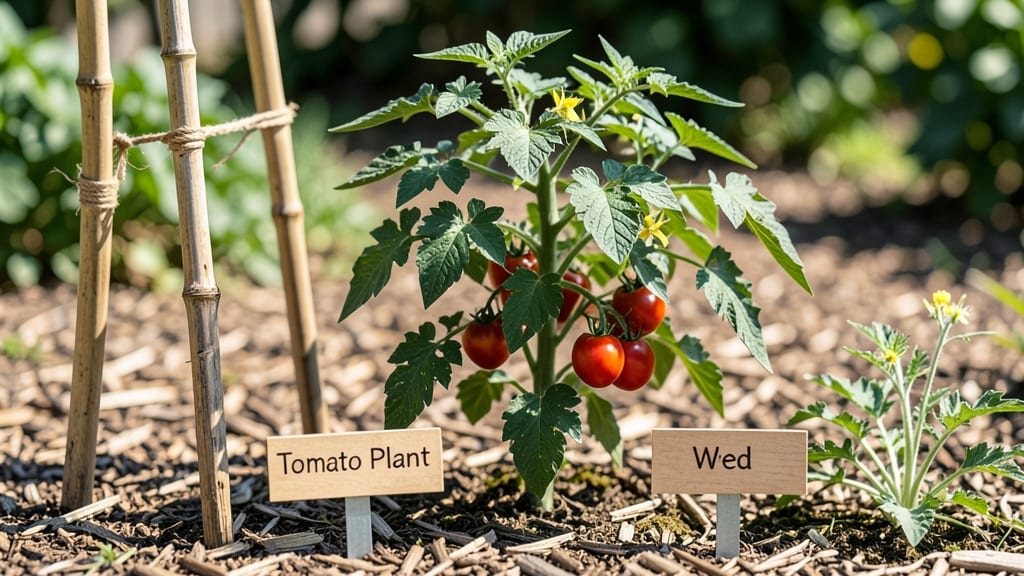
Identifying a tomato plant or weed at first glance can save your harvest. 🌱 I’ve pulled up "volunteer" tomato plants that turned out to be poisonous nightshade—mistakes that cost me more than a season of confusion. The key lies in leaf shape, growth habit, and even the smell when crushed.
Tomato leaves are deep green, jagged, and grow in a staggered pattern along the stem. Weeds like nightshade have hairy stems, smaller leaves, and a bitter aroma. Check the roots: tomato roots spread outward, while weeds often have a single taproot.
A quick 10-second inspection at the base can prevent costly errors. Once you spot the difference, act fast. Mulch heavily to block weed seeds, hand-pull any lookalikes, and keep your soil moist—dry soil stresses tomato roots and makes them more vulnerable to weed competition.
I’ve saved entire beds this way. This works for backyard gardens, containers, or raised beds. The sooner you master this, the sooner you’ll enjoy juicy homegrown tomatoes without the guesswork. Let’s get those weeds out for good!
How Plants Get Confused
When your garden looks like a botanical puzzle—where tomatoes and weeds seem to blend into one—it’s usually due to a mix of nature’s tricks and gardener missteps. Understanding these causes helps you spot the difference (and keep your harvest thriving). Here’s why it happens:
Tomatoes and some weeds share similar growth patterns, making them hard to distinguish at first glance. Both can:
- Sprout quickly: Tomato seedlings and weeds like solanum nigrum (black nightshade) or physalis (ground cherry) emerge fast in warm, moist soil.
- Develop hairy stems: Some tomato varieties (e.g., 'Cherokee Purple') have fuzzy stems, mimicking weeds like lamb’s quarters (Chenopodium album).
- Grow in clusters: Weeds such as portulaca oleracea (purslane) spread low to the ground, resembling tomato suckers or volunteer plants.
Why it matters: Without close inspection, you might pull out a tomato you thought was a weed—or worse, let a toxic lookalike (like deadly nightshade) thrive. 🚨
When soil lacks nutrients or is too compacted, plants (and weeds) struggle to establish healthy roots, leading to stunted, weak growth that’s easy to misidentify. Key triggers:
- Low organic matter: Weeds like amaranthus (pigweed) and tomatoes both thrive in fertile soil—but if your garden is nutrient-poor, both may grow leggy and spindly.
- Excess moisture: Overwatering causes tomato seedlings to develop weak stems, while weeds like sagina procumbens (pearlwort) spread aggressively in damp areas.
- Compacted soil: Roots can’t penetrate deeply, so both tomatoes and weeds may grow in shallow, tangled mats.
Actionable fix: Test your soil pH (ideal for tomatoes: 6.0–6.8) and amend with compost. Aerate compacted areas to encourage stronger root growth. 💡
When pests or pathogens attack, both tomatoes and weeds can develop similar symptoms—yellowing leaves, stunted growth, or odd textures—that make them look identical. Common culprits:
| Issue | Tomato Symptom | Weed Symptom |
|---|---|---|
| Aphids/Spider Mites | Curled, sticky leaves (honeydew) | Yellowing, distorted leaves (e.g., malva neglecta) |
| Fungal Blight (e.g., early blight) | Brown spots with yellow halos | Similar spots on solanum dulcamara (bittersweet nightshade) |
| Root Rot | Wilted stems, blackened roots | Weeds like convolvulus arvensis (field bindweed) also wilt in waterlogged soil |
Why it happens: Stressed plants (tomato or weed) become more vulnerable to pests, creating a vicious cycle of misidentification. 🐛
When tomatoes and weeds grow too close, they compete for sunlight, leading to:
- Elongated stems: Tomatoes stretch toward light (etiolation), while weeds like galium aparine (cleavers) cling to stems, making both look "weedy."
- Small, pale leaves: Shade stress causes tomatoes and weeds to produce similar underdeveloped foliage.
- Succession planting confusion: If you replant tomatoes in the same spot without clearing weeds first, new seedlings may emerge alongside old weed roots.
Solution: Thin seedlings early, mulch to block weed seeds, and prune tomato suckers to improve airflow. ✂️
Pro tip: Always check the leaf arrangement (tomatoes have compound leaves; most weeds have simple leaves) and root structure (tomato roots are fibrous; weed roots often tap into deeper layers). 🔍
Practical fixes for garden confusion
If you’ve ever stared at your garden, wondering, “Is this a tomato plant or an unwanted weed?”—you’re not alone. 🌱🤔 The good news? Most “weed” problems in tomato patches are easy to solve with the right approach.
Below, we break down the most common causes of confusion and provide step-by-step fixes, plus prevention tips to keep your garden thriving.
Sometimes, what looks like a weed is actually a volunteer tomato plant—a seedling that sprouted from last year’s fallen fruit. These can be a blessing or a nuisance, depending on whether they’re in the right spot.
How to Fix It
- ✅ Confirm the Plant
- Check for compound leaves (3-9 leaflets) and hairy stems—classic tomato traits.
- Look for yellow flowers (tomatoes bloom yellow, not white or purple like many weeds).
- 🌱 Relocate or Transplant
- If it’s in a bad spot (e.g., crowded or shaded), gently dig it up and replant it in your tomato bed.
- Use a small trowel to avoid damaging roots—water it well after transplanting to reduce shock.
- 🚫 Remove If Unwanted
- If it’s truly in the way, pull it early (before it establishes deep roots) or use a weeding knife for stubborn sprouts.
💡 Prevention Tips
Stop volunteer tomatoes from popping up unexpectedly:
- 🍅 Clean up fallen fruit after harvest—compost or discard overripe tomatoes to prevent seed spread.
- 🌿 Mulch heavily around tomato plants to block light from reaching buried seeds.
- 📅 Plant tomatoes in designated beds and avoid tossing seeds willy-nilly in the garden.
Some “weeds” are actually beneficial plants (like comfrey or clover), while others are competitors (e.g., purslane, pigweed, or morning glories). The key is acting fast before they steal nutrients or harbor pests.
How to Fix It
- 🔍 Identify the Culprit
- Use a weed-identification app (like PlantNet or iNaturalist) or compare leaves to a guide.
- Common tomato-bed weeds:
Weed Looks Like Danger Level Purslane Succulent, red-tinged stems, yellow flowers ⚠️ Moderate (spreads fast) Pigweed Narrow leaves, red stems, grows tall ❌ High (hosts pests) Morning Glory Heart-shaped leaves, purple flowers ⚠️ Moderate (vines can strangle plants)
- 👨🍳 Manual Removal (Best for Small Patches)
- Pull weeds when soil is moist (they come out easier).
- Use gloves—some weeds (like stinging nettle) have irritating hairs.
- For deep roots, use a weeding fork to loosen soil first.
- 🔪 Herbicide-Free Control
- 🌡️ Boiling water: Pour on stubborn weeds (avoid tomato plants!).
- 🎯 Vinegar spray: Mix 1 gallon white vinegar + 1 oz dish soap + 1 tbsp salt. Spray on leaves (reapply after rain).
- 🌱 Smothering: Lay cardboard + mulch over weed-heavy areas for 4-6 weeks.
💡 Prevention Tips
Keep weeds from taking over:
- 🌿 Mulch early and often—use straw, grass clippings, or shredded leaves (2-3 inches thick).
- 📊 Plant densely—tomatoes shade out weeds when spaced 18-24 inches apart.
- ✨ Use landscape fabric under mulch for high-weed areas (remove fabric before planting next year).
- 🕰️ Inspect weekly—weeds grow fast in warm soil!
Some “weedy” plants (like nightshade or datura) are toxic to tomatoes. If you spot purple flowers, thorny stems, or glossy leaves, act quickly.
How to Fix It
- 🚨 Remove Immediately
- Wear gloves—some plants (like deadly nightshade) are poisonous.
- Pull roots and all—even small fragments can regrow.
- 🗑️ Dispose of in the trash (don’t compost—seeds may survive).
- 🔍 Check for Damage
- Inspect tomato leaves for chew marks, wilting, or spots—pests like aphids or hornworms may hitchhike on weeds.
- Spray tomatoes with neem oil or introduce ladybugs if pests are present.
💡 Prevention Tips
Avoid toxic “weeds” in the first place:
- 🌱 Test soil pH—tomatoes prefer 6.0-6.8; weeds like nightshade thrive in alkaline soil.
- 🌿 Rotate crops—don’t plant tomatoes in the same spot yearly (reduces weed seed banks).
- 🔦 Use black plastic mulch early in the season to block weed seeds from germinating.
With these fixes, your tomato patch will stay weed-free, productive, and stress-free. The key? Stay vigilant, act fast, and turn “weeds” into compost or relocate them to a “wildflower” section of your garden. Happy gardening! 🍅✨
Frequently asked questions
How can I tell if a young plant is a tomato or a weed at first glance?
Look at the leaves first—tomato plants have compound leaves (3-9 leaflets) arranged staggered along the stem, while most weeds have simple leaves. Check the stem too: tomato stems are often hairy, while weeds like nightshade have smooth or spiky stems. Crushed tomato leaves smell slightly sweet; many weeds smell bitter or unpleasant.
What are the most common weeds that look like tomato plants?
The biggest lookalikes are black nightshade (smaller leaves, purple berries) and ground cherry (tiny yellow flowers, papery husks). Other troublemakers include purslane (succulent stems) and pigweed (narrow leaves with red stems). Always check for flowers or fruit—tomatoes bloom yellow, while weeds often have white or purple blooms.
Is it safe to eat tomatoes that grew near weeds I didn't remove?
Only if you're 100% certain the weeds weren't toxic (like deadly nightshade or datura). Some weeds can contaminate soil with pests or diseases, so inspect your tomatoes for unusual spots, wilting, or pests. When in doubt, cook the tomatoes thoroughly or peel them before eating to reduce risk.
How do I prevent weeds from taking over my tomato patch next season?
Start with a 3-inch layer of mulch (straw or grass clippings) around plants to block light. Plant tomatoes densely (18-24 inches apart) so they shade out weeds, and use landscape fabric under mulch in high-weed areas. After harvest, remove all plant debris and test soil pH—tomatoes prefer 6.0-6.8, while many weeds thrive in alkaline soil.
What's the fastest way to remove weeds without chemicals?
Pull them when soil is moist (they come out easier) or use a weeding fork to loosen deep roots. For stubborn weeds, try a vinegar spray (1 gallon white vinegar + 1 oz dish soap) or smother them with cardboard + mulch for 4-6 weeks. Always wear gloves—some weeds (like stinging nettle) have irritating hairs.