
Plants
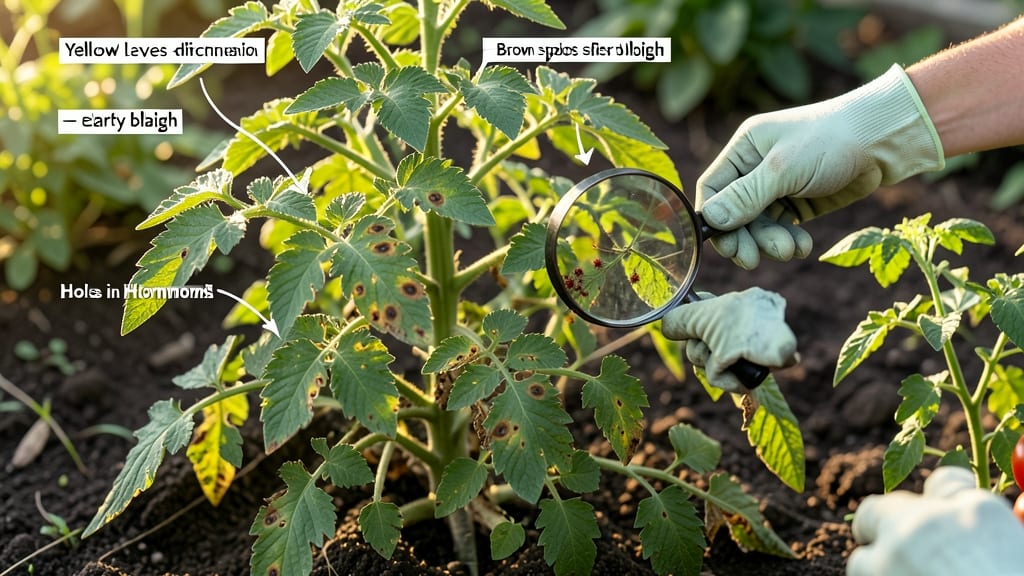
Your tomato plant troubleshooting is screaming for help—yellowing leaves, drooping branches, or flowers falling off before they set fruit. 🌱 I’ve nursed more tomato plants back to health than I’d like to admit, and these quick fixes work when store-bought remedies fail.
The key is acting fast before the problem spirals, whether it’s fungal blight, hungry pests, or something as simple as thirst.
Most issues boil down to three culprits: watering gone wrong, pests feasting unseen, or nutrient starvation. Aphids cluster on undersides of leaves, hornworms strip plants overnight, and blight starts as brown spots that spread like wildfire.
The good news? Each has a targeted fix—from neem oil sprays to adjusting water schedules—that stops the damage within days, not weeks.
By the end of this, you’ll spot problems early (before they ruin your harvest) and know exactly what to do—whether it’s pruning diseased branches, introducing beneficial nematodes, or giving roots a calcium boost.
No more guessing: just clear steps that get your plants back to producing juicy, vine-ripened tomatoes in no time.
Works for backyard gardens, containers, or even a single struggling plant on your patio. Let’s turn those wilting leaves into lush, productive vines again—no green thumb required, just the right moves at the right time.
Root Causes Behind Tomato Woes
When your tomato plants start acting up—drooping leaves, lost blossoms, or stunted growth—it’s usually a cry for help from the plant itself. Understanding why these problems occur is half the battle in saving your harvest.
Below, we break down the science behind the most common tomato plant struggles, so you can diagnose and fix them like a pro.
Tomatoes thrive on consistency, but too much water—or waterlogged soil—can suffocate roots and invite fungal diseases like Phytophthora or Fusarium wilt. Here’s why it happens:
- Root asphyxiation: Roots need oxygen. Overwatering displaces air in the soil, forcing roots to suffocate. This triggers ethylene production, causing leaves to wilt or turn yellow.
- Nutrient leaching: Excess water washes away essential nutrients (like nitrogen, potassium, and calcium) that tomatoes need to grow strong stems and set fruit.
- Fungal infections: Damp soil creates the perfect breeding ground for pathogens. Phytophthora (a water mold) clogs xylem vessels, blocking water uptake and leading to sudden wilting.
Pro tip: Stick your finger 2 inches into the soil—if it’s soggy, hold off on watering. Use raised beds or containers with drainage holes to prevent waterlogging.
Tomatoes are heavy feeders, and if your soil lacks key nutrients, they’ll show it through stunted growth, yellowing leaves, or blossom end rot. Here’s the breakdown:
| Nutrient Deficiency | Symptoms | Why It Happens |
|---|---|---|
| Nitrogen (N) | Pale yellow leaves (starting at the bottom) | Nitrogen is critical for chlorophyll production. Without it, leaves can’t photosynthesize efficiently, leading to weak stems and poor fruit set. |
| Potassium (K) | Brown leaf edges, weak stems, increased disease susceptibility | Potassium regulates water balance and disease resistance. A deficiency weakens the plant’s cellular structure, making it prone to wilting and pathogens. |
| Calcium (Ca) | Blossom end rot (black, rotten spots on fruit), distorted new growth | Calcium is immobile in plants—once it’s used, it’s gone. Young fruit and growing tips suffer first when calcium isn’t available, often due to uneven watering or poor soil pH. |
| Magnesium (Mg) | Interveinal chlorosis (yellowing between leaf veins) | Magnesium is the center of the chlorophyll molecule. Without it, leaves can’t produce enough energy, leading to yellow patches. |
Pro tip: Test your soil pH (ideal: 6.0–6.8) and amend with compost or a balanced fertilizer (like 10-10-10). For calcium, side-dress with crushed eggshells or gypsum.
Tomatoes are warm-season plants, but they’re not fans of extremes. Heatwaves, cold snaps, or sudden temperature swings can throw them into distress:
- Heat stress: Temperatures above 90°F (32°C) cause blossom drop because high heat disrupts pollen production and fertilization. Leaves may also scorch (brown, crispy edges).
- Cold stress: Below 50°F (10°C), tomato growth slows or stops. Flowers may fail to pollinate, and leaves can develop dark, water-soaked spots (a sign of cold damage).
- Frost damage: Ice crystals form in plant cells, rupturing them. You’ll see blackened, mushy leaves and stems—irreversible damage.
Pro tip: Use shade cloth during heatwaves and row covers for early/late-season planting. Mulch with straw to regulate soil temperature.
Tomatoes are a buffet for pests and pathogens. Here’s how they hijack your plants:
- Pests (e.g., aphids, hornworms, spider mites): They sap nutrients, inject toxins, or physically damage leaves/stems. Aphids excrete honeydew, which attracts sooty mold—a fungal growth that blocks sunlight.
- Fungal diseases (e.g., early blight, late blight): Spores thrive in humid conditions. Early blight (caused by Alternaria solani) creates concentric rings on leaves, while late blight (a cousin of the Irish potato famine pathogen) causes rapid, greasy-looking brown spots.
- Bacterial infections (e.g., bacterial spot, wilt): Bacteria like Xanthomonas or Pseudomonas enter through wounds (e.g., from hail or pruning). They clog vascular tissue, leading to wilting, yellowing, or oozing lesions.
Pro tip: Rotate crops yearly, remove infected debris, and use neem oil or copper fungicide preventatively. Handpick pests early!
Even after careful nurturing, tomatoes can rebel post-transplant. Here’s why:
- Root damage: Disturbing roots during transplanting severs fine feeder roots, reducing the plant’s ability to absorb water and nutrients. This triggers wilting as the plant struggles to recover.
- Environmental whiplash: Moving plants from a greenhouse or seed tray to outdoor conditions (or vice versa) can cause stress. Sudden wind, sun exposure, or temperature changes shock the plant’s systems.
- Poor acclimation: If seedlings aren’t hardened off (gradually exposed to outdoor conditions), their delicate leaves burn in direct sunlight, and roots fail to adapt to soil changes.
Pro tip: Transplant on a cloudy day, bury stems deeper than the original soil line (to encourage new root growth), and water thoroughly before and after.
Quick Fixes for Common Tomato Plant Problems
---
Got a tomato plant acting up? Don’t panic—most issues have simple, effective solutions. Below, we’ve mapped out practical fixes for the most common tomato plant troubles, along with prevention tips to keep your plants thriving.
Whether it’s wilting leaves, blossom drop, or pests, these steps will help you turn things around fast—without losing your garden sanity!
---
Fix It: - 🔥 Check the soil first: Stick your finger 1–2 inches deep. If it’s soggy, your plant is drowning. Let the top inch dry out before watering again. - 🍳 Adjust your watering routine: Water deeply 2–3 times per week (adjust for climate) and avoid wetting the leaves to prevent fungal diseases. - 💡 Boost nutrients: Yellowing lower leaves often mean nitrogen deficiency. Feed with a balanced fertilizer (10-10-10) or compost tea every 2–3 weeks.
Prevent It: ✔ Use well-draining soil (mix in perlite or sand if needed). ✔ Water in the early morning to reduce evaporation and fungal risk. ✔ Mulch around the base to retain moisture and regulate soil temp.
---
Fix It: - 🌡️ Cool things down: If temps hit above 90°F (32°C), provide shade cloth (30–50% coverage) or move pots to a cooler spot. - 💧 Hydrate properly: Blossom drop often happens when plants can’t keep up with water needs. Water at the base, not the leaves, and keep soil consistently moist (but not soggy). - 🎯 Fertilize lightly: Too much nitrogen = lush leaves, no fruit. Switch to a low-nitrogen, high-phosphorus fertilizer (like 5-10-10) to encourage flowering.
Prevent It: ✔ Avoid over-fertilizing—stick to a slow-release formula or organic compost. ✔ Train vines to climb a trellis for better airflow and less stress. ✔ Prune suckers (side shoots) to redirect energy to fruit production.
---
Fix It: - 🔪 Manual removal: Hornworms? Pick them off by hand (they’re big and easy to spot!). Aphids? Blast them off with a strong spray of water. - 🍳 Soap spray solution: Mix 1 tbsp mild liquid soap + 1 quart water in a spray bottle. Test on a few leaves first—it’s safe but can burn tender plants. - 🌿 Natural predators: Encourage ladybugs, lacewings, or birds by planting marigolds, basil, or dill nearby.
Prevent It: ✔ Inspect plants weekly—catch pests early! ✔ Rotate crops yearly to disrupt pest life cycles. ✔ Use row covers for young plants to block flying insects.
---
Fix It: - 💧 Deep watering: If the soil is dry, soak the root zone (not just the surface) until water runs out the drainage holes. - 👨🍳 Check for disease: Fungal wilting? Remove affected leaves and spray with neem oil (1 tsp per quart of water). Bacterial wilt? Sadly, there’s no cure—pull and replace the plant. - 🌡️ Adjust sunlight: Too much sun can stress plants. Provide afternoon shade if leaves look crispy.
Prevent It: ✔ Mulch heavily to retain moisture. ✔ Avoid overhead watering—use a drip irrigation system instead. ✔ Space plants properly for good airflow (prevents fungal spread).
--- Pro Tip: 💡 When in doubt, observe! Wilting could mean underwatering, overwatering, disease, or even root-bound plants. Dig gently to check roots—healthy roots are white/firm, while rotted roots smell bad and are mushy.
--- Need a reset? If your tomato plant is beyond saving, don’t waste time—pull it, compost it (if pest-free), and start fresh with a new plant or seeds. Sometimes, cutting losses is the fastest way to a bigger, better harvest next time! 🍅✨
Frequently asked questions
Why are my tomato leaves turning yellow but the plant still looks healthy?
Yellowing leaves usually signal a nitrogen deficiency or overwatering. Check the soil—if it's soggy, reduce watering. For nitrogen, use a balanced fertilizer (10-10-10) or compost tea every 2-3 weeks. Start with older leaves first, as the plant redistributes nutrients to new growth.
How do I tell if my tomato plant has early blight vs. late blight?
Early blight shows as concentric brown rings on older leaves, while late blight creates greasy-looking dark spots that spread rapidly. Late blight is more aggressive and can destroy plants in days. Remove infected leaves immediately and spray with copper fungicide or neem oil to slow spread.
Can I save a tomato plant with blossom end rot?
Yes, but you'll need to prevent new cases. Remove affected fruit immediately. Improve calcium levels by adding crushed eggshells or gypsum to the soil. Water consistently—uneven moisture triggers this problem. For severe cases, use a calcium nitrate solution (1 tbsp per gallon of water) every 2 weeks.
What's the fastest way to get rid of hornworms on my tomato plants?
Handpick them in the morning when they're sluggish (they're huge and easy to spot!). Drop them in soapy water. For prevention, introduce parasitic wasps (they naturally control hornworms) or plant basil nearby—its scent repels them. Check plants daily during peak season (late summer).
Is it too late to fix my tomato plant if it's already wilting?
Not necessarily! First, check the roots—if they're healthy (white/firm), the plant may recover. Water deeply at the base and provide afternoon shade for 3-5 days to reduce stress. If roots are mushy/smelly, the plant is likely beyond saving. In that case, remove it and start fresh with a new plant. Sometimes cutting losses saves your whole garden!