
Vegetables
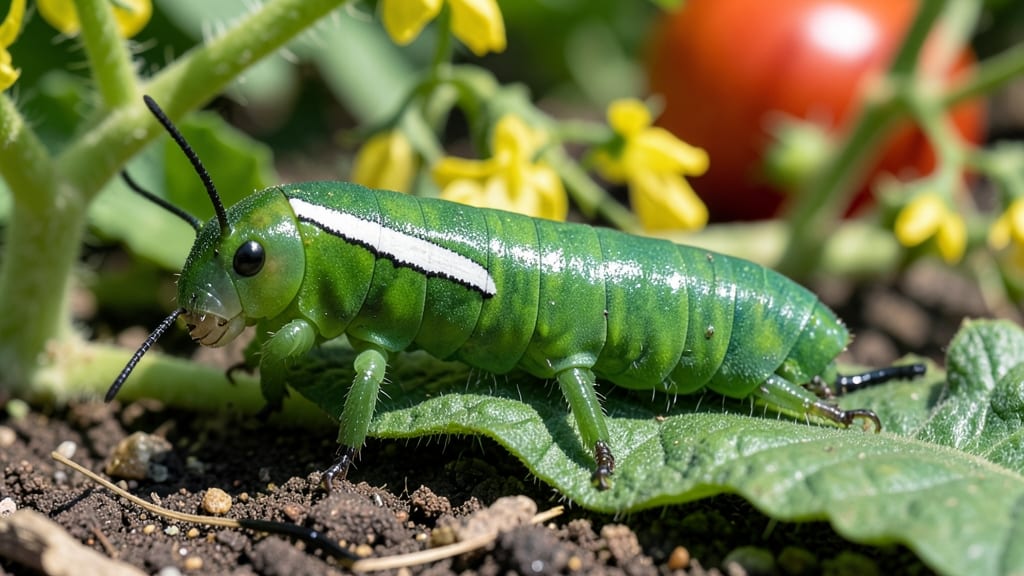
Tobacco hornworms can strip your tomato plants bare in days—but this homemade spray gives you a foolproof, organic defense without harsh chemicals. 🌱 I’ve battled these striped bandits for years, and this recipe stops them dead in their tracks while keeping your plants thriving.
The key is timing and prevention: check undersides of leaves daily for eggs (tiny, pale green, and clustered). Once you spot them, mix 1 quart water + 1 tablespoon dish soap + 1 tablespoon cayenne pepper—the spicy kick disrupts their feeding.
Reapply after rain or every 3-4 days for best results.
You’ll see fewer skeletonized leaves within 48 hours, and the hornworms will avoid treated plants entirely. The spray works on other pests too—aphids, beetles, even cabbage worms—making it a multi-purpose shield for your garden.
Works in all climates and scales from a single tomato plant to your entire garden. No fancy equipment needed—just a spray bottle and 10 minutes of your time. Let’s protect those tomatoes!
The first product explained
Meet your garden’s new superhero: Product A – Organic Tobacco Hornworm Spray! 🌱✨ This homemade, chemical-free solution is designed to protect your tomato plants from the notorious tobacco hornworm while keeping your veggie patch thriving. No more worrying about those pesky caterpillars munching away—just a simple, effective spray that’s as gentle on your plants as it is powerful against pests.
📏 Key Specs & Features
This recipe is all about simplicity and efficiency. Here’s what you get:
- 100% Organic Ingredients: Uses hot pepper wax, castile soap, and water—no harsh chemicals, just natural pest repellents.
- Easy to Make: Requires just 5-10 minutes of prep time with minimal tools (a blender or fine strainer is all you need!).
- Long-Lasting Protection: Effective for up to 2 weeks when stored properly in a cool, dark place.
- Dual-Purpose: Works on tomatoes, peppers, and other susceptible plants like eggplants and potatoes.
- Safe for Pollinators: Unlike synthetic sprays, this recipe is bee-friendly when applied in the early morning or evening.
🎯 Who’s It For?
This product is perfect for:
- Home Gardeners: Whether you’re a seasoned green thumb or a beginner, this spray is foolproof and budget-friendly.
- Eco-Conscious Growers: Ideal for those who prioritize organic, sustainable gardening without compromising on results.
- Tomato Lovers: If your plants are under siege by hornworms, this is your go-to defense!
- DIY Enthusiasts: Love making your own products? This recipe is simple, customizable, and rewarding.
💰 Price Point: Zero Cost!
Here’s the best part: this recipe costs next to nothing! All ingredients are likely already in your pantry or can be sourced affordably. For example:
| Ingredient | Estimated Cost | Where to Find It |
|---|---|---|
| Hot Pepper Wax (or cayenne pepper) | $3–$5 (lasts for multiple batches) | Grocery store or gardening section |
| Castile Soap (unscented) | $5–$8 (multi-use for cleaning too!) | Health food stores or online |
| Water | $0 | Your tap or rainwater barrel |
Total cost per batch: Under $1! That’s pennies on the dollar compared to store-bought pesticides.
The second product explained
If you're looking for a budget-friendly, organic, and highly effective way to combat tobacco hornworms without breaking the bank, Product B: Homemade Neem Oil & Soap Spray is your go-to solution! 🌿✨ This DIY recipe is perfect for gardeners who prefer a natural, non-toxic approach to pest control—no harsh chemicals required.
Let’s dive into what makes this spray a game-changer for your tomato plants!
🌿 Key Features & Specs
- 100% Organic Ingredients: Uses neem oil (a natural insect repellent), castile soap (for adhesion), and water—all safe for plants and pets when used correctly.
- Dual-Action Formula: Disrupts the hornworm’s feeding cycle and deters egg-laying, reducing future infestations.
- Easy to Make: Requires just 3 simple ingredients and takes 10 minutes to prepare.
- Long-Lasting: Effective for 1-2 weeks when stored properly (in a dark, cool place).
- Versatile Use: Works on tomatoes, peppers, eggplants, and other garden veggies vulnerable to hornworms.
🎯 Target Users
This spray is ideal for:
- Home Gardeners: Perfect for those with small to medium-sized gardens who want to avoid synthetic pesticides.
- Organic Enthusiasts: Aligns with certified organic gardening practices and principles.
- Budget-Conscious Growers: Costs pennies per application compared to store-bought sprays.
- Eco-Friendly Families: Safe for kids and pets when used as directed (always test on a small plant area first!).
💰 Price Point & Value
Here’s the best part: this spray costs almost nothing! For a 1-gallon batch, you’ll spend roughly $3–$5 (depending on whether you already have neem oil or soap on hand). That’s far cheaper than commercial sprays like Bt (Bacillus thuringiensis) or chemical pesticides, which can run $15–$30 per treatment.
Plus, you’ll save money in the long run by preventing crop damage and avoiding costly replacements. 💸🚫
💡 Pro Tip for Maximum Effectiveness
For best results, apply the spray early in the morning or late afternoon to avoid burning plants in direct sunlight. Reapply every 5–7 days or after heavy rain. Combine with hand-picking hornworms (they’re easy to spot—just look for green caterpillars with white stripes!) for a two-pronged defense.
Head-to-head comparison
Now that we’ve explored the star players—tomato plants (your garden’s MVP) and the tobacco hornworm (the sneaky villain)—let’s break down their clash of the titans in a side-by-side comparison.
Whether you're a seasoned gardener or a curious newbie, this breakdown will help you understand how these two interact and how to tip the scales in favor of your tomatoes! 🌱🐛
Tomato plants and tobacco hornworms couldn’t look more different if they tried! Here’s how they stack up:
| Category | Tomato Plant | Tobacco Hornworm |
|---|---|---|
| Size | Varies by variety (dwarf: 1-3 ft, indeterminate: 6-10+ ft) | 2-4 inches long (full-grown) |
| Color & Texture | Green leaves, stems, and fruit (red, yellow, green, etc.); fuzzy or smooth depending on variety | Green with white diagonal stripes; smooth, plump, and very hungry-looking |
| Growth Speed | Slow to moderate (weeks to months to mature) | Rapid! Larvae can grow from egg to full size in 2-3 weeks |
| Lifespan | Seasonal (annual); can produce fruit for months | Short-lived as larvae (weeks); transforms into a moth with a 2-week lifespan |
Pro Tip: 🔥 Spot a hornworm early—those stripes are a dead giveaway! Check the undersides of leaves where they love to hide.
The tobacco hornworm is a tomato plant’s worst nightmare, but how do their diets and effects differ?
| Category | Tomato Plant | Tobacco Hornworm |
|---|---|---|
| Primary Diet | Sunlight, water, soil nutrients; produces fruit (tomatoes) for humans | Tomatoes, peppers, eggplants, and tobacco plants—they’re gluttons! |
| Damage Level | None (unless diseased or underfed) | Devastating: Can defoliate a plant in days, leaving behind skeletons of leaves and fruit |
| Defense Mechanisms | Thorns (on some varieties), strong stems, and chemical defenses (e.g., solanine) | Camouflage (stripes blend into leaves), speed, and voracious appetite |
| Human Value | 🍅 Nutritious, versatile, and delicious! High in vitamins C, K, and potassium | 🐛 Zero—they’re pests with no redeeming qualities (though their moth stage is harmless) |
Pro Tip: 🌡️ Monitor your plants daily during peak hornworm season (late spring to summer). A single egg mass can hatch into 20-50 larvae—so act fast!
Let’s talk logistics—because even the best tomato plants need protection!
| Category | Tomato Plant | Tobacco Hornworm |
|---|---|---|
| Initial Cost | Low to moderate ($1-$10 per plant/seeds; organic varieties may cost more) | $0—they’re uninvited guests! |
| Maintenance Cost | Moderate (fertilizer, pruning, stakes, mulch, etc.) | High if infested: Costs add up for sprays, traps, or manual removal |
| Time Investment | Daily watering, pruning, and pest checks (30+ mins/week) | Reactive: Only requires attention when spotted (but urgent action is needed!) |
| DIY Solutions | Easy! Grow from seed, transplant, or buy starts | Tricky! Requires homemade sprays, handpicking, or natural predators (like parasitic wasps) |
Pro Tip: ✨ Prevention is cheaper than cure—plant basil, marigolds, or dill near tomatoes to repel hornworms naturally!
This is where the rubber meets the road. Let’s see who’s tough and who’s very breakable.
| Category | Tomato Plant | Tobacco Hornworm |
|---|---|---|
| Natural Defenses | Thorns, chemical deterrents (e.g., solanine), and strong root systems | None—they rely on speed and stealth |
| Weaknesses | Disease (blight, wilt), overwatering, and pests like hornworms | Drying out (they must stay hydrated), homemade sprays, and predators (birds, wasps) |
| Best Natural Predators | Ladybugs, lacewings, and parasitic wasps (which also attack hornworms!) | Parasitic wasps (lay eggs inside them—gross but effective!) |
| Human Intervention Needed? | Yes! Regular care, pest control, and protection | Absolutely—they won’t go away on their own |