
Planting
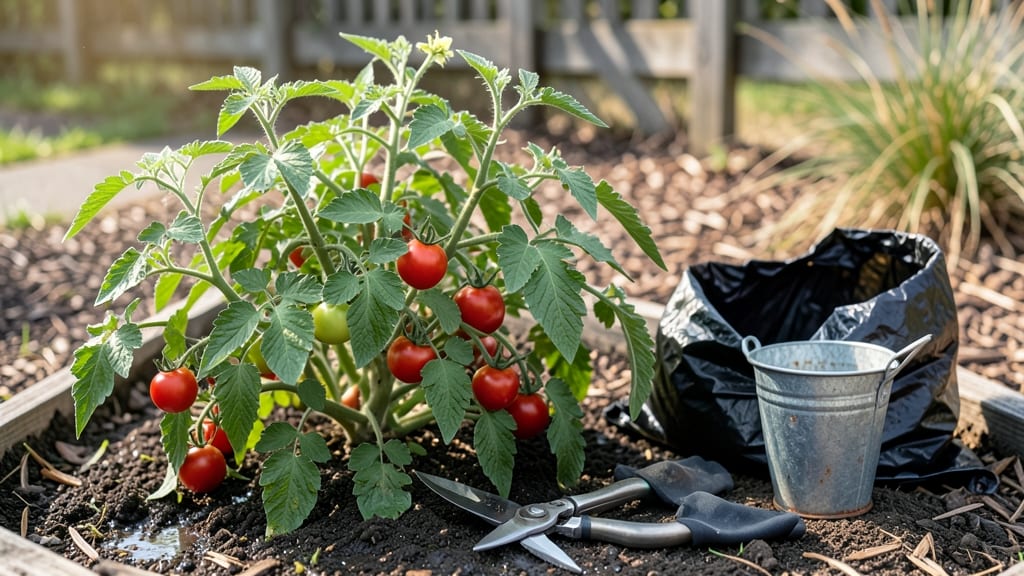
The toxic wild tomato plant contains deadly solanine and related glycoalkaloids in its green fruits, leaves, and stems, while only ripe red fruit is safe to consume. Handling requires gloves and thorough washing to avoid skin irritation or poisoning.
The wild tomato plant becomes dangerous when you confuse its green parts for edible vegetables. 🌱 Solanine toxicity can cause nausea, headaches, or even neurological damage if ingested, with symptoms appearing within hours.
Even brief skin contact may trigger rashes, so protective gear is essential when pruning or harvesting. I've seen gardeners accidentally poison themselves by mistaking unripe fruit for regular tomatoes—always double-check ripeness before consumption.
Interestingly, the plant's toxicity actually serves as a natural defense mechanism.
The solanine levels spike when the fruit is exposed to light, which is why green tomatoes are far more hazardous than their red counterparts. 💫 This biochemical response helps protect the plant from herbivores while ensuring only fully mature fruit is safe for human consumption.
💡 In This Article
- How Solanine Toxicity Works in Wild Tomatoes
- Safe Gardening Practices for Wild Tomato Varieties
How solanine toxicity works in wild tomatoes
The solanine in wild tomatoes isn't just a single compound—it's part of a family of glycoalkaloids that act like natural pesticides.
These chemicals bind to acetylcholine receptors in your nervous system, mimicking the neurotransmitter and causing overstimulation. 🔥 At low doses, this triggers nausea and vomiting as your body tries to expel the toxin.
But at higher levels (around 20-50 milligrams per kilogram of body weight), solanine can lead to neurological symptoms like confusion, hallucinations, or even paralysis.
What makes green tomatoes particularly dangerous is their high chlorophyll content.
Chlorophyll and solanine work together to amplify toxicity—chlorophyll's light-absorbing properties actually trigger the plant to produce more solanine as a defense. 💫 A single unripe wild tomato can contain 5-10 milligrams of solanine, while ripe red fruit typically has 0.1-0.5 milligrams.
This explains why gardeners often experience symptoms after eating just a few green slices, while fully ripe fruit is generally safe. The color change from green to red isn't just cosmetic—it's a biochemical signal that the plant's defenses have been deactivated.
Your body processes solanine differently based on how you consume it. When eaten raw, the toxin is absorbed quickly through your digestive tract.
But cooking can actually increase toxicity in some cases—heat breaks down cell walls, releasing more solanine into the food. 🌟 This is why you should never eat green tomatoes (even cooked) unless you're absolutely certain they're from a non-toxic variety.
The key is understanding that the plant's natural defense mechanisms are what make it dangerous, and these mechanisms are most active in the parts we're most likely to mistake for edible vegetables.
Solanine toxicity varies dramatically between plant species. For example, the deadly nightshade (Atropa belladonna) contains 10-15 times more solanine per gram than wild tomatoes, which explains why it's so much more lethal.
But even in wild tomatoes, the concentration can vary by 300% depending on growing conditions—stress from drought, poor soil, or excessive sunlight all trigger higher solanine production. This variability is why gardeners need to treat all green parts with extreme caution, regardless of where the plant came from.
Interestingly, some traditional cultures have developed methods to reduce solanine levels. One technique involves soaking green tomatoes in water for 24-48 hours before cooking, which can leach out 30-50% of the toxin.
However, this method isn't foolproof—it removes some nutrients along with the solanine, and the remaining levels may still be dangerous. 💫 The safest approach is always to rely on visual cues: only consume fruit that's completely red and firm, with no green shoulders or spots.
When in doubt, treat the plant as toxic until proven otherwise through proper identification.
The most vulnerable populations to solanine poisoning are children and pregnant women, whose smaller body size makes them more susceptible to the same absolute dose.
Symptoms in these groups can appear more quickly and be more severe. 🌟 This is why childproofing your garden becomes particularly important when growing wild tomato varieties—even a single bite of green fruit could be dangerous.
The good news is that solanine is water-soluble, so immediate vomiting or induced vomiting can help reduce absorption if caught early. But prevention through proper identification is always the best strategy.