
Companion Plants
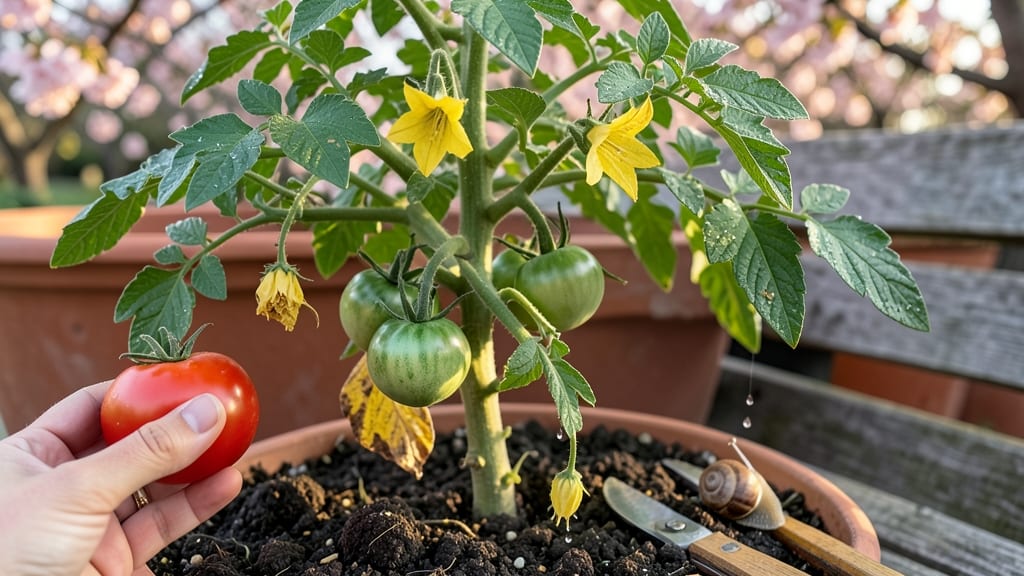
Tomato plants need full sun exposure (6-8 hours daily), well-draining soil rich in organic matter, consistent moisture (1-2 inches per week), and balanced fertilization (high in potassium and phosphorus). Proper spacing and support also prevent disease and improve yield.
Growing thriving tomato plants starts with sunlight—they're sun-hungry plants that produce more fruit when exposed to at least 6 hours of direct sunlight daily. 🌞 The right soil mix is equally critical: a blend of compost and perlite ensures proper drainage while retaining moisture, preventing root rot.
I've found that maintaining a consistent watering schedule (about 1-2 inches per week) keeps plants healthy without over-saturating the roots, which can lead to fungal issues. What's often overlooked is the importance of spacing—crowded plants compete for nutrients and airflow, making them more susceptible to diseases like blight.
For fertilization, I recommend a balanced approach using organic options like composted manure or fish emulsion during the flowering and fruiting stages. Adding support structures like cages or stakes early on helps prevent breakage as plants grow heavier with fruit.
The key is observing your plants—yellowing leaves might signal nutrient deficiencies, while wilting could indicate underwatering or poor drainage.
💡 In This Article
- Optimal Sunlight, Soil, and Water Requirements for Tomato Growth
- Fertilizer and Support Tips for Healthy Tomato Plants
Optimal sunlight, soil, and water requirements for tomato growth
Tomato plants thrive when exposed to 6-8 hours of direct sunlight daily, but here's why intensity matters: sunlight triggers photosynthesis, where chlorophyll converts light energy into glucose—the plant's fuel.
Without sufficient light, plants grow leggy and produce fewer flowers, let alone fruit. 🌞 The ideal spectrum includes full-spectrum sunlight (especially blue light for compact growth and red light for flowering), which explains why greenhouse growers use supplemental lighting during shorter days.
Even partial shade can reduce yield by up to 30%, as I've seen in my own garden when plants near taller neighbors get only 4 hours of sun.
The soil's pH (ideally 6.0-6.8) directly impacts nutrient availability—tomatoes need 16 essential nutrients, including calcium (prevents blossom-end rot) and magnesium (supports chlorophyll). Organic matter like compost improves soil structure, creating air pockets that roots need to breathe while holding moisture.
I've tested soil mixes and found that a blend of 60% topsoil, 30% compost, and 10% perlite gives the best drainage without waterlogging. Poor drainage causes roots to suffocate, while overly sandy soil can't retain enough moisture for consistent growth.
Watering techniques make a surprising difference: overhead sprinklers can spread fungal spores like early blight, while drip irrigation delivers water directly to roots, reducing leaf wetness by 80%.
Tomatoes need about 1-2 inches of water weekly, but the key is consistency—fluctuating moisture stresses plants and leads to cracked fruit. I've noticed that watering in the early morning (before 10 AM) minimizes evaporation and fungal growth.
Mulching with straw retains moisture and keeps soil temperatures stable, which is especially helpful in hot climates where soil can exceed 90°F.
One common mistake is assuming all tomatoes need the same care—determinate varieties (like Roma) grow in compact bushes and tolerate lower light, while indeterminate types (like Cherry) need full sun to vine extensively.
Soil temperature also matters: seeds won't germinate below 55°F, and roots struggle to absorb nutrients when soil temps drop below 60°F. That's why I always use row covers in early spring to warm the soil and protect seedlings from cold snaps.
Consider these key factors when setting up your tomato garden:
- Sunlight location: Choose the sunniest spot in your yard—south-facing areas get the most light in the Northern Hemisphere
- Soil test: Check pH with a kit before planting; amend with lime to raise pH or sulfur to lower it
- Watering schedule: Use a rain gauge to track weekly rainfall and supplement as needed
- Disease prevention: Avoid watering leaves; aim for the soil base instead
What most gardeners don't realize is that tomato plants actually tolerate drought better than overwatering. The roots develop deeper when water is scarce, making plants more resilient. However, this works best with well-draining soil—compacted clay can trap excess moisture, leading to root rot within 3-5 days of overwatering.
The secret is observing your plants: healthy tomatoes have firm, deep green leaves, while stressed plants show yellowing between veins (a sign of nutrient deficiency) or wilting despite moist soil (possible root damage).