
Pests and Diseases
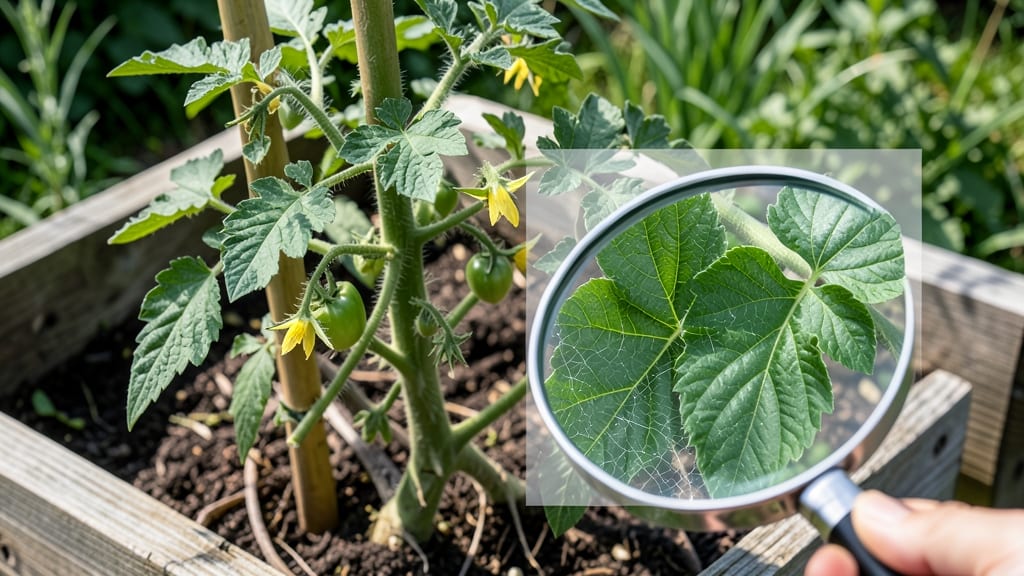
White lines on tomato leaves mean your plants are under attack—likely from spider mites, but sometimes fungal infections or environmental stress. 🌱 I’ve seen this ruin entire harvests, but there’s a way to turn things around before it’s too late.
The first step is identifying what’s really happening, because treatments vary wildly depending on the cause.
Start by checking the undersides of leaves for tiny webs or speckling (spider mites), or look for powdery white residue (fungal issues). Environmental stress often shows up with yellowing between veins first.
Once you know the culprit, you can act fast—whether it’s a targeted spray, adjusting watering habits, or even pruning affected foliage to save the plant.
📚 In This Guide
- What you need
- Instructions
- Tips and common mistakes
- Wrapping up and next steps
What you need
- ● Hand lens or magnifying glass (10x magnification, for close-up inspection of leaf patterns)
- ● Pruning shears or sharp scissors (sterilized with rubbing alcohol to prevent cross-contamination)
- ● Disposable gloves (nitrile or latex, for hygiene while handling infected plants)
- ● Spray bottle (16 oz, for applying DIY treatments or fungicides)
- ● Neem oil or insecticidal soap (16 oz bottle, organic option for fungal/bacterial control)
- ○ Copper fungicide (optional but effective for severe cases; follow label instructions)
- ● Plastic bags or zip-top bags (2–3 gallon-sized, for collecting leaf samples)
- ● Rubbing alcohol (70% isopropyl) (small bottle, for sterilizing tools)
- ● Paper towels or cloth rags (for cleaning tools and wiping leaves)
- ● Garden twine or stakes (if pruning heavily to support plant structure)
- ● Smartphone with a plant-disease ID app (e.g., PlantSnap or PictureThis for quick diagnosis)
- ● pH testing kit (to check soil acidity, which can affect disease severity)
- ● Baking soda solution (1 tbsp baking soda + 1 quart water + few drops of dish soap, for mild fungal issues)
- ● Compost or mulch (to improve soil health and reduce future outbreaks)
- ● Label markers (to tag treated plants and track progress)
Diagnosing and treating white lines on tomato leaves
Here's how I identify and manage this common tomato issue—step by step.
🌿 Step 1: Confirm the Problem Is Viral (Not Fungal or Environmental)
The first move is to rule out other causes. White lines on tomato leaves are often caused by the Tomato Mosaic Virus (ToMV) or Tobacco Mosaic Virus (TMV), but they can also mimic fungal issues like powdery mildew or environmental stress. Look closely for these key signs: irregular white or yellow lines that follow leaf veins, stunted growth, and puckered or distorted leaves. Unlike powdery mildew, viral lines won't have a powdery coating, and the damage won't wash off.
Check the undersides of leaves for tiny yellow or white specks—these are often spider mite activity, which can stress plants and make them more susceptible to viruses. If you see these, note it for later treatment. Viral symptoms often appear first on older leaves, so start your inspection there. I always examine the plant under bright light to see the patterns clearly.
🔍 Step 2: Identify the Source of Infection
Viruses spread through infected seeds, contaminated tools, or sap-sucking insects like aphids or whiteflies. Inspect nearby plants for similar symptoms—if other tomatoes or peppers show the same white lines, you're dealing with a systemic issue. Check your gardening tools, especially pruners, for any sap residue, which can carry the virus from plant to plant.
If you've recently added compost or manure, that could be a source. Some organic materials contain infected plant debris. I always wear gloves when handling infected plants and disinfect tools with a 10% bleach solution (1 part bleach to 9 parts water) after each use. This step is critical—once the virus spreads, there's no cure, only containment.
✂️ Step 3: Remove Infected Plants and Prevent Spread
If the white lines confirm a viral infection, remove the affected plant immediately. Don't compost it—viruses can survive in organic matter. Seal the plant in a plastic bag and dispose of it in the trash. This is the hardest part, but it's the only way to stop the spread. If you're growing in containers, discard the soil or sterilize it by baking it in the oven at 200°F for 30 minutes.
Quarantine healthy tomato plants for 2 weeks to monitor for new symptoms. Keep them away from other susceptible crops like peppers, eggplants, and tobacco. I also recommend rotating crops next season—don't plant tomatoes or nightshades in the same spot where infected plants grew. The virus can persist in the soil for years.
💧 Step 4: Strengthen Remaining Plants to Resist Infection
Boost the health of your remaining tomato plants to help them fight off secondary infections. Start with balanced fertilization—use a 10-10-10 or 5-5-5 NPK ratio to encourage strong, resilient growth. Water at the base of the plant in the early morning to reduce humidity around leaves, which can encourage fungal growth that weakens plants.
Introduce beneficial insects like ladybugs or lacewings to control aphids and whiteflies, which spread viruses. I also spray a neem oil solution (2 tablespoons per gallon of water) every 7-10 days as a preventive measure. Avoid overhead watering, which can spread viruses through splashing. Healthy plants are less likely to show symptoms even if exposed.
🌱 Step 5: Implement Long-Term Prevention Strategies
Prevent future outbreaks by focusing on cleanliness and resistance. Start with disease-resistant tomato varieties like 'Defiant PhR' or 'Mountain Merit.' These are bred to tolerate common viruses and fungal diseases. Always buy seeds from reputable suppliers to avoid infected stock.
Rotate crops annually—don't plant tomatoes in the same spot two years in a row. Solarize the soil in the off-season by covering it with clear plastic for 4-6 weeks to kill viruses and pathogens. I also keep a separate set of tools for tomato plants and disinfect them regularly. This disease is stubborn, but these steps dramatically reduce the risk of recurrence.
Tips & tricks for managing tomato leaf viral symptoms
These targeted strategies will help you diagnose with confidence and contain outbreaks effectively.
Visual Confirmation: In Step 1, when checking for white lines, use a bright LED flashlight to examine leaves at a 45-degree angle. The contrast between healthy green and viral white patterns becomes much clearer under direct light—this helps distinguish viral symptoms from environmental stress marks. I've caught early infections this way that would have gone unnoticed in natural light.
Tool Disinfection Protocol: For Step 2's bleach solution, I recommend using a dedicated spray bottle labeled "Tomato Tools Only" to avoid cross-contamination with other garden equipment. After disinfecting, rinse tools thoroughly with clean water and let them air dry completely before use. The 10% bleach solution should sit on tools for at least 5 minutes to ensure full pathogen kill.
Soil Sterilization Shortcut: When sterilizing container soil at 200°F in Step 3, place the pot on a baking sheet lined with aluminum foil for easy cleanup. The foil prevents messes from any potential soil spills during the 30-minute baking process. This method kills not just viruses but also fungal spores and weed seeds in the soil.
Quarantine Monitoring: During the 2-week quarantine in Step 3, I suggest marking healthy plants with colored flags or ribbons to easily identify them during daily inspections. This visual cue helps prevent accidental cross-contamination when moving between plants. The quarantine period is crucial—viral symptoms can appear suddenly after initial signs seem to stabilize.
Pro Tips for White Lines On Tomato Leaves
- These targeted strategies will help you diagnose with confidence and contain outbreaks effectively.
- Visual Confirmation: In Step 1, when checking for white lines, use a bright LED flashlight to examine leaves at a 45-degree angle.
- Tool Disinfection Protocol: For Step 2's bleach solution, I recommend using a dedicated spray bottle labeled "Tomato Tools Only" to avoid cross-contamination with other garden equipment.
Frequently asked questions
about white lines on tomato leaves can help you act fast and save your plants! Here are some common concerns and quick answers to get you back on track.What causes white lines on tomato leaves?
White lines on tomato leaves are most often caused by Tobacco Mosaic Virus (TMV) or Tomato Mosaic Virus (ToMV). These viruses spread through contaminated tools, infected plants, or even human hands. Fungal diseases like powdery mildew can also create white, powdery streaks—but they’re less likely to form distinct lines.
Can I save my tomato plant if it has white lines?
Unfortunately, once a tomato plant is infected with a virus like TMV, there’s no cure. The best approach is to remove and destroy the infected plant immediately (don’t compost it!) to prevent spread. Focus on saving nearby healthy plants by practicing strict hygiene and quarantine protocols.
How long does it take for white lines to appear after infection?
White lines from viral infections like TMV can appear within 1-3 weeks of exposure, depending on plant health and virus strain. Early symptoms may include yellowing, mottling, or stunted growth before the distinct white lines form. Act fast—catching issues early improves your chances of containing the problem.
How do I prevent white lines from spreading to other plants?
Prevention is key! Follow these steps to protect your garden:
- Disinfect tools with rubbing alcohol between plants.
- Wash hands thoroughly after handling infected plants.
- Avoid overhead watering to reduce splash spread.
- Use resistant varieties like ‘Defiant PhR’ or ‘Mountain Merit’ tomatoes.
- Remove weeds and debris that may harbor viruses.
Will white lines affect the taste or safety of my tomatoes?
While viral infections like TMV won’t make your tomatoes toxic, they can reduce yield, quality, and flavor. Infected fruits may be smaller, misshapen, or have bitter tastes. Always harvest and eat only from healthy plants to ensure the best flavor and nutrition!
Wrapping up and next steps
Don’t let those white lines on tomato leaves stress you out—you’re now equipped with the knowledge to tackle the issue head-on! Whether it’s Tobacco Mosaic Virus, fungal infections, or environmental factors, early action makes all the difference. 🌱
Start by inspecting your plants regularly and removing affected leaves to prevent the spread. If you suspect a viral issue, consider quarantining infected plants and disinfecting tools to keep your garden healthy. You’ve got this—happy gardening, and may your tomatoes thrive! 🍅✨