
Companion Plants
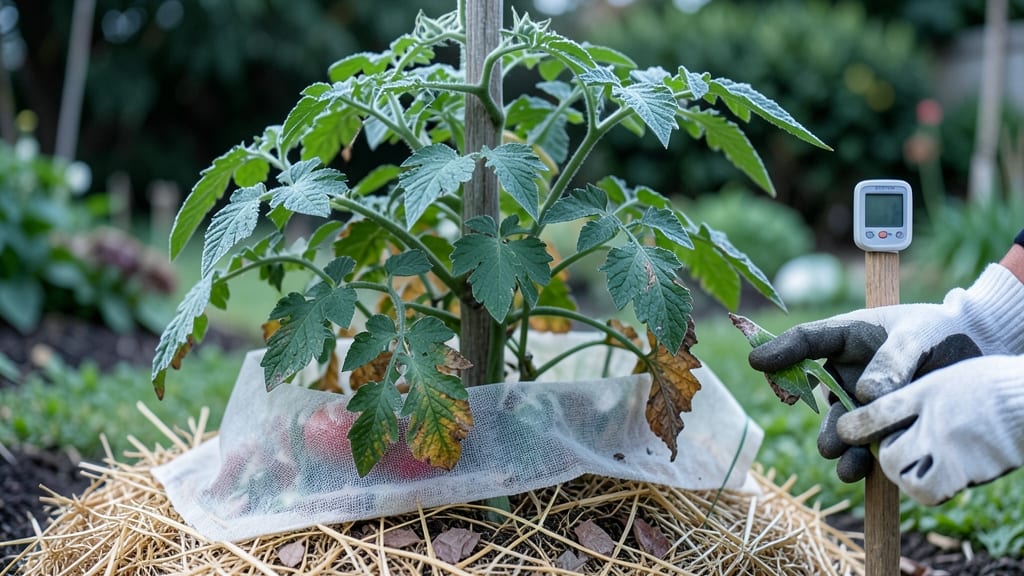
The coldest temp for tomato plants they can survive without serious damage is 32°F—but with the right tricks, you can push those limits and keep your 🍅 thriving even in cooler climates.
Imagine planting your seedlings in early spring, only to watch a late frost turn them into crispy black leaves overnight. That heartbreak happens every year to gardeners who don’t know the exact cold tolerance of their tomato varieties.
Most tomatoes struggle below 50°F, but some cold-resistant types handle 40°F with minimal protection. The key isn’t just the temperature—it’s how long the chill lasts and whether your plants are young or mature.
In this guide, I’ll break down the exact cold thresholds for different tomato types, show you how to shield your plants from frost, and share 5 proven tricks to extend your growing season—no matter where you live.
Tomato plant cold tolerance: exact temperature limits by variety type
Most tomato varieties struggle below 50°F (10°C), but some cold-resistant types can handle brief dips to 32°F (0°C). Understanding these limits helps you choose the right varieties for your USDA hardiness zone and protect your plants during unexpected chills.
Daytime temperatures matter too—cool but sunny days are less damaging than cold nights combined with frost.
Heirloom tomatoes, like Brandywine or Cherokee Purple, are heat-loving but frost-sensitive, while hybrids like 'Mountain Merit' or 'Stupice' are bred for extended season resilience.
Cold-hardy varieties, such as 'Cold Set' or 'Glacier', can survive temperatures near freezing for short periods, making them ideal for Zones 4-6. Always check seed packets for exact cold tolerance ratings—they’re your best guide.
For Zones 4-6, focus on cold-resistant varieties like 'Glacier' or 'Stupice', which can handle brief exposures to 32°F (0°C). These types often pause growth in cold but resume when temps rise.
In Zones 7-9, heirlooms and hybrids thrive, but late spring frosts can still damage young plants. Always monitor nighttime temps—below 40°F (4°C) risks stunted growth or death.
Daytime temperatures play a critical role. While 50°F (10°C) days are manageable for most tomatoes, consistent cool weather slows flowering and fruiting. Cold-hardy varieties may produce smaller yields in cold climates but are your best bet for early spring or late fall planting.
Pair them with row covers or cloches to extend their cold tolerance by 5-10°F.
If you’re in Zone 10 or 11, heat tolerance becomes the bigger concern, but early morning chills can still stress plants. Heirlooms like 'Black Krim' handle warm nights better than cool ones, so choose varieties bred for your specific climate extremes.
Always harden off seedlings gradually to build cold resistance before transplanting.
Pro tip: Soil temperature matters more than air temp. Tomatoes won’t germinate in cold soil below 60°F (15°C), even if air temps are mild. Use black plastic mulch or cold frames to warm soil faster in early spring.
For container growing, move pots to sheltered spots at night to protect roots from radiant frost.
In Zones 4-5, plant cold-hardy varieties after the last frost and use row covers for extra protection.
For Zones 6-9, start seeds indoors 6-8 weeks early and transplant after soil warms to 60°F (15°C). Never rush planting—cool soil stunts root growth, making plants vulnerable to cold stress. Always check local frost dates and adjust planting times accordingly.
Remember: Tomatoes are tropical plants at heart, so any frost exposure risks damage. Even cold-hardy varieties can’t survive prolonged freezing. If a hard frost warning appears, cover plants immediately with row covers or blankets. Remove covers by midday to prevent overhe
How to protect tomato plants from frost: 5 proven survival tricks
Frost can turn your thriving tomato plants into crispy reminders of what not to do. Even cold-hardy varieties like 'Stupice' or 'Mountain Merit' have limits—typically around 32°F (0°C) for short exposures.
But with the right strategies, you can push those limits and extend your growing season by weeks. The key is combining physical protection with smart timing and soil management.
My go-to method for late spring or early fall is a combination of row covers and mulching. These two tactics work together to insulate roots while trapping warmth at the plant level. For seedlings, I never skip the cloche trick—it's like giving them a tiny greenhouse.
Let's break down the five survival tricks that have saved my tomato plants from frost multiple times, even in Zone 5.
🌱 Coldest Temp for Tomato Plants: Survival Thresholds
- 32°F (0°C): Maximum safe temp for established plants (24 hours exposure). Leaves may wilt but recover.
- 28°F (-2°C): Critical threshold—most varieties suffer permanent damage. Seedlings die.
- 25°F (-4°C): Lethal for all tomato types. Roots and stems freeze solid.
- Zone 4-5 Tip: Use black plastic mulch to raise soil temps by 5-8°F during cold snaps.
- Emergency Hack: Coffee grounds mulch (1 inch thick) adds 2°F extra warmth overnight.
First up is row covers, my absolute favorite for protecting mature plants. These lightweight fabrics (like Reemay) let sunlight through while trapping heat. I always secure them with bricks or clips to prevent wind damage.
For seedlings, I swap row covers for mini cloches—those plastic domes you can find at garden centers. They create a microclimate that can raise temperatures by 10°F or more.
Don't underestimate the power of mulching. A thick layer (3-4 inches) of straw or shredded leaves insulates roots from temperature swings. I mix in compost for extra warmth—it decomposes slowly, releasing heat.
For container tomatoes, I use black plastic mulch wrapped around the pot. It absorbs sunlight and radiates heat back to the roots, which is a game-changer in Zone 6 springs.
Timing is everything when it comes to planting. I always wait until soil temperatures hit 60°F and check the 10-day forecast for cold snaps. For early starts, I use biodegradable pots and plant them directly into the ground with the pot intact.
The extra insulation gives roots time to establish before facing frost risks. If a cold snap is forecasted, I cover plants with old bedsheets or cardboard—whatever I have on hand.
For emergency frost protection, I've had success with DIY plant blankets. Layer a row cover over a bubble wrap layer (shiny side out) and top with a tarpaulin. The bubble wrap reflects sunlight during the day, and the tarpaulin traps heat at night.
I secure everything with clothespins or rocks to keep it in place. Remove covers by 10 AM to prevent overheating—tomatoes hate humidity buildup.
Remember, prevention is easier than recovery. Start by choosing cold-tolerant varieties like 'Glacier' or 'Siberian' for your region. Combine that with proper mulching and protective covers, and you'll be harvesting tomatoes weeks longer than your neighbors.
The extra effort pays off with bigger yields and healthier plants that bounce back from near-frost conditions. 🌱