
Plants
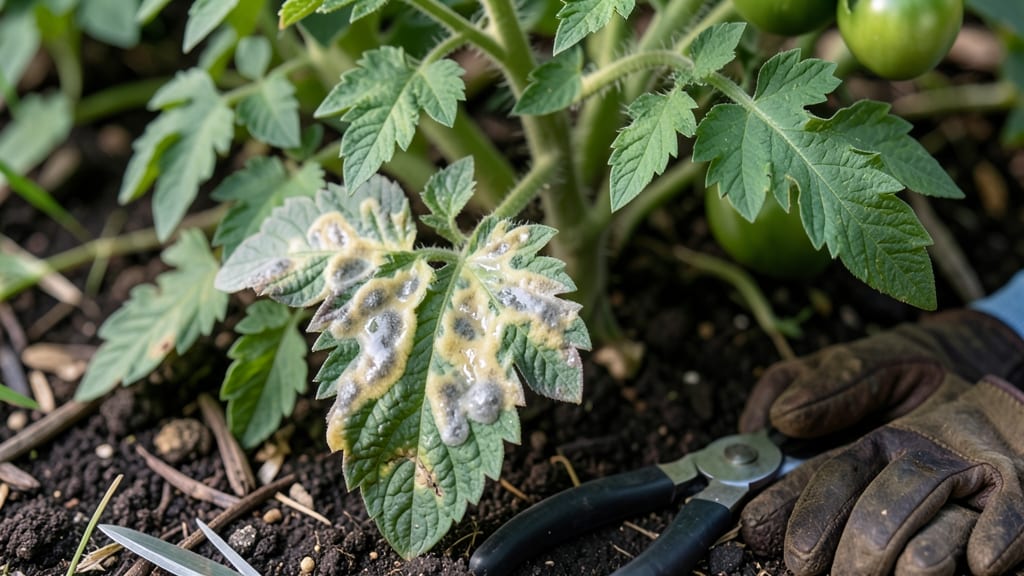
Slime mold on tomato plants turns your lush vines into a neon-orange nightmare—🌱 and I’ve seen it ruin entire harvests in just days. The good news? This isn’t a fungus or disease—it’s a harmless (but messy) organism that thrives in damp, shaded conditions.
Most gardeners panic thinking it’s a plant killer, but with the right approach, you can clear it up without harming your tomatoes or the soil.
The first step is identifying it correctly—slime mold looks like splotchy, bright orange or yellow goo, often in circular patches. It doesn’t harm the plant directly, but it’s a sign your garden is too humid, which can invite real problems like blight.
The fix? Reduce moisture by spacing plants properly, avoiding overhead watering, and improving airflow with pruning or trellises. I’ve cleared outbreaks in 3-5 days just by adjusting these habits.
For stubborn cases, a simple spray of 1 tablespoon hydrogen peroxide per quart of water (spray in the morning) dissolves the slime without chemicals. Follow up by removing mulch from under plants and letting the soil dry between waterings.
Your tomatoes will recover faster than you think—and you’ll keep that harvest safe for the table.
This isn’t just a quick fix; it’s a lesson in garden hygiene. Slime mold loves decaying matter, so clean up fallen leaves and debris regularly. With these steps, you’ll break the cycle for good—and next season, your plants will stay healthy and productive.
Root Causes Of Fungal Growth
Slime mold on tomato plants isn’t just a random nuisance—it’s a symptom of specific environmental and cultural conditions that create the perfect breeding ground for this fungal-like organism. Understanding these triggers is the first step to preventing and treating outbreaks before they ruin your harvest.
Let’s break down the key factors that turn your tomato garden into a slime mold haven.
Slime mold thrives in excess moisture, whether from rain, overhead watering, or poor drainage. Here’s why:
- High humidity (above 70%) creates a damp, sticky environment where slime mold spores germinate. The organism feeds on organic debris (like dead leaves or mulch) and releases enzymes that break down plant tissue.
- Prolonged leaf wetness (overnight dew or frequent watering) prevents leaves from drying, giving slime mold a 24/7 buffet. Tomato leaves, especially lower ones, become prime real estate for spore growth.
- Poor air circulation in dense foliage traps moisture, accelerating mold spread. Crowded plants or thick mulch layers worsen the problem.
💡 Pro Tip: Aim for early-morning watering (before 10 AM) to let foliage dry by evening. Use a soaker hose or drip irrigation to avoid wetting leaves.
Slime mold doesn’t just appear out of thin air—it feeds on decaying plant material. Common culprits include:
- Dead leaves or fruit on the soil surface: These provide a food source and a moist microclimate for spores.
- Thick mulch layers (especially straw or wood chips): While mulch conserves moisture, it can also smother soil and trap humidity if piled too high.
- Weeds or grass clippings near tomato plants: These introduce additional organic matter that slime mold colonizes.
Why it matters: Slime mold produces plasmodia (a creeping, blob-like feeding stage) that spreads by consuming organic debris. Once established, it can jump to healthy plants via wind or water splashes.
Slime mold is most aggressive in cool, damp weather, typically between 50–75°F (10–24°C). Here’s how temperature plays a role:
| Temperature Range | Slime Mold Activity | Risk Level |
|---|---|---|
| Below 50°F (10°C) | Dormant; growth slows | Low |
| 50–75°F (10–24°C) | Optimal growth; spores germinate rapidly | ⚠️ High |
| Above 80°F (27°C) | Growth slows; heat stress may kill spores | Moderate |
Seasonal peaks: Slime mold often flares up in spring and fall, when temperatures are mild but humidity remains high. Greenhouse-grown tomatoes are especially vulnerable year-round due to controlled, moist environments.
While slime mold isn’t a true fungus (it’s a protist), its spread is accelerated by improper garden maintenance. Key contributors:
- Excess nitrogen fertilizer: Over-fertilizing (especially with manure or high-nitrogen blends) promotes lush, soft growth that’s more susceptible to mold. It also increases sap flow, making leaves stickier and more attractive to spores.
- Lack of pruning: Overgrown tomato plants with shady, crowded foliage trap moisture and limit airflow, creating ideal slime mold conditions.
- Reusing contaminated soil: If slime mold appeared last season, spores may persist in the soil or compost. Planting tomatoes in the same spot without remediation risks reinfection.
💡 Pro Tip: Use a balanced fertilizer (10-10-10 or 5-5-5) and prune regularly to improve airflow. Solarize soil (cover with clear plastic for 4–6 weeks) to kill lingering spores before replanting.
By addressing these root causes—moisture, debris, temperature, and hygiene—you can starve slime mold of the conditions it needs to thrive. The next step? Natural treatments to kick it out for good.
Quick Fixes for Fungal Foes
Slime mold on tomato plants might look like a slimy, grayish-green nightmare, but don’t panic—there are practical, natural ways to tackle it and keep your garden thriving! 🌱 The key is to address the root cause while preventing future outbreaks.
Below, we’ve mapped out targeted solutions based on the most common triggers, from overwatering to poor airflow, so you can act fast and restore your plants to their healthy glory.
Slime mold thrives in damp, soggy conditions, so if your soil is staying too wet, it’s time to drain the drama.
- 👨🍳 Adjust Your Watering Routine Water your tomato plants early in the morning (before 10 AM) to allow foliage to dry quickly. Avoid overhead sprinkling—use a soaker hose or drip irrigation to deliver water straight to the roots. Aim for 1–1.5 inches of water per week, including rainfall.
- 🥘 Improve Soil Drainage If your garden soil is clay-heavy or compacted, amend it with compost, perlite, or coarse sand to boost aeration. For container-grown tomatoes, ensure pots have drainage holes and use a well-draining potting mix.
- ⏰ Space Plants for Airflow Crowded tomato plants trap moisture, creating the perfect slime mold buffet. Prune suckers (those little shoots between the stem and branches) and thin out leaves to improve airflow. If plants are too close, transplant or space them 18–24 inches apart.
If slime mold has already taken hold, natural fungicides can help smother the spores without harsh chemicals.
- 🔪 Baking Soda Spray (Mild & Effective) Mix 1 teaspoon of baking soda + 1 teaspoon of vegetable oil + 1 quart of water in a spray bottle.
Add a drop of dish soap as a surfactant. Spray affected leaves (and undersides!) in the morning on dry foliage. Reapply every 7–10 days or after rain.
- 🌡️ Hydrogen Peroxide Rinse (Oxygen Boost) Combine 1 tablespoon of 3% hydrogen peroxide + 1 quart of water in a spray bottle. Lightly mist the top and bottom of leaves—the oxygen helps suffocate fungal spores. Use once a week as a preventive measure.
- 🎯 Neem Oil (Preventative Powerhouse) Neem oil disrupts fungal growth and deters future slime mold. Mix 1 teaspoon of neem oil + 1 teaspoon of mild soap + 1 quart of water. Spray evenly on leaves (avoid direct sun) every 2 weeks during growing season.
Once you’ve banished slime mold, keep it from crashing the party with these pro moves:
- 🔥 Mulch the Right Way Use straw or wood chips (not thick layers) to reduce soil splashing onto leaves. Keep mulch 2–3 inches away from the stem to prevent moisture buildup.
- ✨ Sanitize Tools & Hands Clean pruners and gardening gloves with rubbing alcohol between uses to avoid spreading spores.
- 🌱 Rotate Plant Locations Avoid planting tomatoes (or nightshades like peppers/eggplants) in the same spot every year—this breaks the fungal life cycle.
- 🍎 Choose Resistant Varieties If slime mold is a recurring issue, opt for disease-resistant tomato varieties like ‘Mountain Merit’ or ‘Defiant PhR.’
Remember: Slime mold is rarely fatal to tomato plants, but it can reduce yields and spread quickly. Act fast, stay consistent, and your plants will bounce back—ready for a bountiful harvest! 🍅✨
Frequently asked questions
Is slime mold harmful to tomato plants?
No, slime mold itself doesn't harm tomato plants directly—it's more of a cosmetic nuisance than a disease. However, it thrives in damp conditions that can create ideal environments for real fungal diseases like early blight. The real risk is reduced yield if the mold spreads heavily and blocks sunlight from leaves.
Why does slime mold appear orange or yellow?
The bright colors come from the mold's spore-producing stage! When conditions are right, slime mold releases sporangia (those colorful patches) that contain spores. The orange/yellow hues are just nature's way of saying "I'm ready to spread!"—but don't worry, it's not harmful to your tomatoes or you.
How can I tell if it's slime mold vs. powdery mildew?
Slime mold looks like slimy, blob-like patches (often orange/yellow) that can move slightly when disturbed, while powdery mildew appears as white, powdery coatings on leaves. Slime mold also grows on the soil surface and organic debris, not just leaves—powdery mildew stays on foliage only.
Will rain make slime mold worse?
Yes! Heavy rain spreads spores and keeps conditions damp—perfect for slime mold growth. To prevent outbreaks, water early in the morning (before 10 AM) and avoid overhead sprinkling. If rain is forecasted, consider a light mulch layer (2-3 inches) to protect soil moisture without trapping humidity.
Can I use vinegar to treat slime mold?
While vinegar can help in small doses, it's not the best solution. A 1:1 vinegar-water mix may kill some spores, but it can also harm your plants if overused. Better options include hydrogen peroxide spray (1 tbsp/quart water) or baking soda solution (1 tsp baking soda + 1 tsp oil + 1 quart water)—both are safer and more effective.