
How To
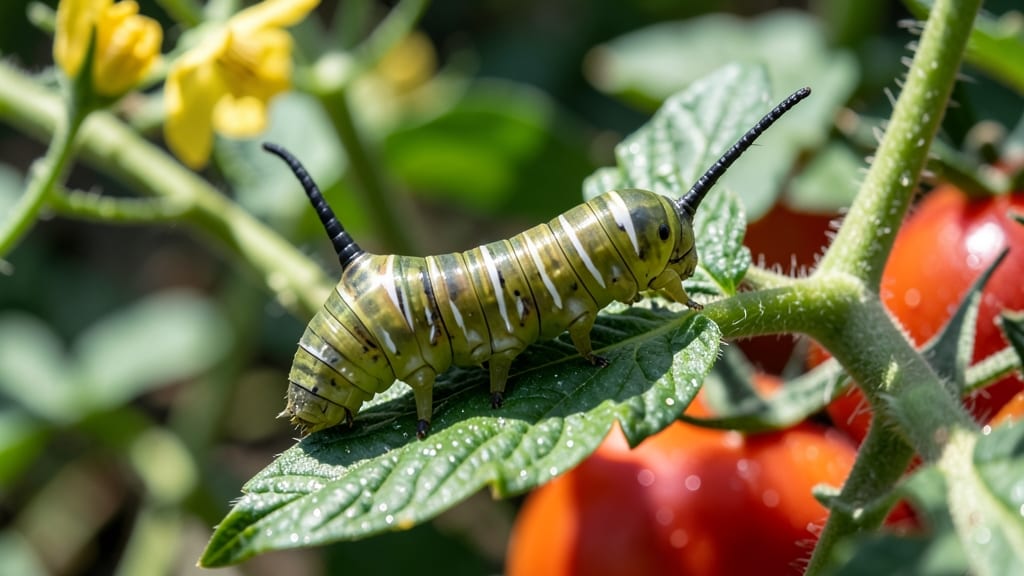
Spotting a red tomato worm means your garden’s under siege—but this 5-minute fix saves your plants without chemicals. 🌱 These plump, green-striped caterpillars (tomato hornworms) can strip a plant bare overnight, but the right approach stops them fast.
I’ve battled them for years, and now I’ll show you how to outsmart them organically.
The damage starts small: chewed leaves, then missing stems, then defoliated plants. These caterpillars grow up to 4 inches and hide in foliage, making them hard to spot until it’s too late.
The good news? Their lifecycle is predictable, and natural predators—like parasitic wasps—can keep them in check if you give them a fighting chance.
You’ll learn to handpick them (yes, it’s gross but effective), use neem oil as a barrier, and plant basil or dill to repel them. Within a week, your tomatoes will rebound, and the hornworms? Gone before they hatch into moths. No sprays, no regrets—just a garden that thrives.
Works for container gardens, raised beds, and in-ground plots, and the methods scale from a single plant to an entire yard. Let’s get your tomatoes back to full, lush health—without losing another leaf to these hungry striped invaders.
The Real Culprits Behind Tomato Worms
If you’ve ever spotted tiny, squirming red grubs munching on your tomato plants, you’re dealing with the larvae of Manduca sexta—commonly known as the tomato hornworm. While these caterpillars might look intimidating, understanding why they target your garden is the first step to keeping them at bay.
Let’s break down the science behind their behavior and how your garden might be inviting them in.
The tomato hornworm isn’t picky—it’s drawn to soft, ripe, or injured tomatoes. Here’s why:
- Sugar and moisture signals: Ripe tomatoes release volatile organic compounds (VOCs) that hornworms detect from up to 10 feet away. These chemical cues act like a dinner bell, luring them in. 🍅🔥
- Easy access: Cracks, bruises, or overripe spots on fruit create entry points. A hornworm can burrow in within minutes, leaving behind a trail of slime and chewed-up flesh.
- Fungal and bacterial softening: Tomatoes that start rotting (even slightly) emit additional scent signals that hornworms find irresistible. Think of it as their version of a “limited-time offer.”
Actionable fix: Harvest tomatoes as soon as they ripen, and remove any fallen or damaged fruit immediately. A quick sweep of the garden bed with a net or your hands can prevent larvae from finding a buffet.
Hornworms thrive in gardens where tomato plants are left unchecked. Here’s the connection:
- High nitrogen = tender leaves: Over-fertilizing with nitrogen-rich amendments (like fresh manure or blood meal) makes tomato foliage extra juicy—a favorite snack for hornworm larvae. 💪🌱
- Dense foliage = hiding spots: Bushy tomato plants provide perfect camouflage for hornworms. They blend in like chameleons, making them hard to spot until it’s too late.
- Young plants = vulnerable plants: Seedlings and young tomato plants have thin, delicate stems that hornworms can easily chew through, stunting growth or killing the plant entirely.
Actionable fix:
- Prune tomato plants regularly to remove lower leaves (where eggs are often laid) and improve airflow.
- Use a balanced fertilizer (e.g., 10-10-10) instead of nitrogen-heavy amendments.
- Consider staking or caging plants to keep foliage off the ground, where hornworms love to lurk.
Hornworms start life as tiny white eggs laid by adult moths, and if you miss this stage, you’re already fighting a losing battle. Here’s how it happens:
- Moths are nocturnal: Adult tomato hornworms (the moths) emerge at dusk and lay eggs on the undersides of leaves. By morning, they’re gone—leaving you clueless until the larvae appear.
- Eggs blend in: The eggs are tiny (1-2mm) and translucent, making them nearly invisible against tomato leaves. A single female can lay up to 2,000 eggs in her lifetime! 😱
- Warmth accelerates hatching: Eggs hatch in 3-5 days in warm conditions (above 70°F), meaning a single missed inspection can turn into an infestation overnight.
Actionable fix:
- Inspect leaf undersides every 2-3 days, especially in the evening when moths are active.
- Use a flashlight or magnifying glass to spot eggs—look for tiny white specks along leaf veins.
- Remove eggs by hand (drop them in soapy water) or spray with neem oil to disrupt their lifecycle.
Hornworms are warm-weather pests, and their population explodes in conditions that mimic their natural habitat. Here’s why:
- Faster growth rates: In temperatures above 75°F, hornworm larvae grow from egg to full-sized caterpillar in just 2-3 weeks. That’s three generations per season in ideal conditions! ⏳
- Humidity keeps them hydrated: Hornworms absorb moisture through their skin. High humidity (above 60%) helps them stay plump and active, making them hungrier and more destructive.
- Longer growing season = more food: In regions with mild winters, tomato plants stay lush and productive for months—giving hornworms a nonstop buffet.
Actionable fix:
- In hot climates, plant tomatoes in early spring or late summer to avoid peak hornworm activity (typically June-August).
- Use row covers or shade cloth to reduce heat and humidity around plants.
- Encourage natural predators like parasitic wasps (which lay eggs inside hornworms) by avoiding broad-spectrum pesticides.
Quick Fixes for Garden Pests
Got an unwelcome surprise in your tomato plants? Don’t panic—these easy, fast fixes will help you reclaim your garden in no time. Below, we’ve mapped out the most common causes of tomato pests (like those pesky red worms!) and the practical solutions to tackle them.
Plus, we’ll share prevention tips to keep your plants thriving long-term.
Before diving into fixes, confirm what’s causing the damage.
Common culprits include: - Tomato Hornworms (the infamous red "worms" with white stripes) - Aphids, Spider Mites, or Whiteflies (tiny but destructive) - Fungal Issues (like blight, which weakens plants and attracts pests) - Poor Soil or Overcrowding (stressed plants are easier targets)
Pro Tip: 💡 Check the undersides of leaves and stems—that’s where pests love to hide!
🔪 Handpick the Pests (Best for Hornworms!)
If you spot large, green, or red caterpillars (tomato hornworms), remove them by hand—it’s the fastest way to stop the damage.
- When to do it: Early morning (pests are sluggish) or evening (cooler temps).
- How to do it: 1.
Wear gloves (some gardeners dislike squishy bugs!). 2. Drop them in soapy water (1 tbsp dish soap per gallon of water) to kill them instantly. 3. Check daily—hornworms multiply fast!
✨ Prevention Tip: Plant basil, marigolds, or dill near tomatoes—their strong scents repel hornworms naturally!
👨🍳 Homemade Sprays (Safe & Effective)
For aphids, mites, or soft-bodied pests, a DIY spray works wonders. Here’s a 3-ingredient recipe:
| Ingredient | Amount | Why It Works |
|---|---|---|
| Water | 1 quart | Base for the spray |
| Neem Oil | 1 tsp | Disrupts pests’ life cycle |
| Dish Soap | ½ tsp | Breaks down pests’ protective coatings |
| Optional: Garlic or Chili Pepper | 1 clove or ½ tsp | Adds a natural pest-repelling kick |
How to Use:
- Mix ingredients in a spray bottle.
- Shake well before each use (neem oil separates).
- Spray directly on pests (focus on undersides of leaves).
- Reapply every 5-7 days or after rain.
🌡️ Pro Tip: Spray in the early morning or late evening to avoid harming bees!
🥘 Companion Planting (Long-Term Defense)
Some plants naturally deter pests while boosting tomato health.
Try these powerhouse pairings: - Basil – Repels flies, mosquitoes, and hornworms. - Marigolds – Confuse pests with their strong scent. - Nasturtiums – Trap aphids away from tomatoes. - Garlic & Onions – Their smell keeps many bugs at bay.
🎯 Planting Hack: Interplant basil between tomato rows—it’s a two-for-one win (great for cooking too!).
⏰ Prune & Clean Up
Overgrown or damaged plants attract pests. Keep your garden tidy with these steps:
- Remove yellow/damaged leaves (pests love hiding there).
- Prune suckers (side shoots) to improve airflow.
- Clear debris from the base of plants (pests and fungi thrive in damp spots).
💡 Quick Fix: Use clean, sharp pruners and sterilize them with rubbing alcohol between cuts to prevent spreading disease.
🌱 Improve Soil Health Healthy soil = strong plants = fewer pests.
Try these easy soil boosters: - Add compost (1-2 inches mixed into the top 6 inches of soil). - Use worm castings (natural fertilizer that repels some pests). - Mulch with straw or grass clippings (keeps moisture in, pests out).
✨ Prevention Tip: Rotate crops—don’t plant tomatoes in the same spot yearly. Pests and diseases build up in the soil!
If pests are out of control, try non-toxic traps:
- Yellow Sticky Traps – Catch flying pests like whiteflies.
- Beer Traps (for slugs/snails) – Bury a cup filled with beer; pests crawl in and drown.
- Diatomaceous Earth (DE) – Sprinkle food-grade DE around plant bases (kills soft-bodied pests by dehydrating them).
⚠️ Warning: DE loses effectiveness when wet—reapply after rain.
| Time | Task | Why It Matters |
|---|---|---|
| Spring (Planting) | Add compost + companion plants | Strong start = fewer early pests |
| Every 2 Weeks | Inspect plants (especially undersides) | Catch pests before they multiply |
| After Rain | Reapply sprays/traps | Washed-off treatments = lost protection |
| Fall (Cleanup) | Remove old plants + debris | Stops overwintering pests |
Final Thought: Most tomato pests are easy to manage with early action and preventive care. The key? Check your plants regularly—the sooner you spot trouble, the simpler the fix! 🍅🚀
Frequently asked questions
Are red tomato worms the same as tomato hornworms?
Yes! The "red tomato worm" is typically the tomato hornworm (Manduca sexta), though they can appear green or brown too. The red color comes from their diet—ripe tomatoes packed with carotenoids. These caterpillars grow up to 4 inches and have white diagonal stripes, making them easy to spot once you know what to look for.
What do I do if I find a tomato hornworm on my plant?
Handpick them immediately! Wear gloves, grasp the caterpillar firmly (they’re strong!), and drop it into soapy water. Check plants daily—especially leaf undersides—since they multiply fast. For a gross-but-effective method, some gardeners use tongs to squish them on a hard surface.
Will neem oil kill tomato hornworms?
Neem oil disrupts their lifecycle but won’t kill mature hornworms instantly. It’s best for preventing eggs from hatching. Spray undersides of leaves every 5-7 days (especially at dusk when moths lay eggs). For existing caterpillars, combine neem oil with handpicking for faster results.
Can tomato hornworms harm humans or pets?
No—they’re harmless to humans and pets. While their slime might feel slimy, it won’t cause skin irritation. However, their droppings can spread fungal diseases to plants. Always wash hands after handling them, and avoid letting pets eat them (though they’d likely spit them out!).
How do I prevent hornworms from coming back next year?
Combine these strategies: plant basil or marigolds near tomatoes, rotate crops yearly, and encourage natural predators like parasitic wasps (they lay eggs inside hornworms!). Prune plants regularly to remove egg-laying spots, and use row covers early in the season.